
Plants
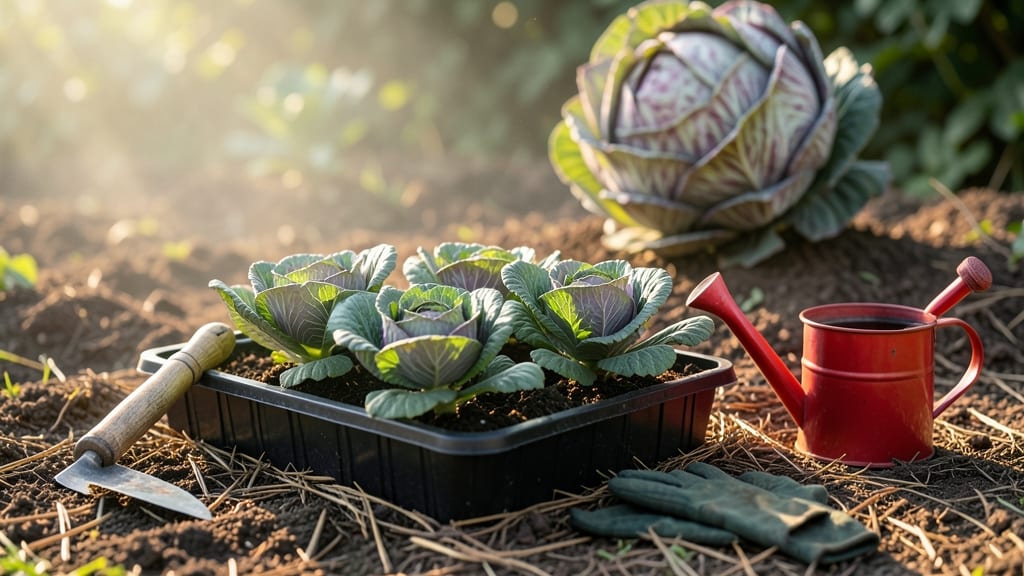
Timing your cabbage planting in Zone 8b isn’t just about the calendar—it’s about outsmarting the heat before your 🥬 turns bitter and bolts. One wrong move, and you’ll watch your crisp heads vanish into sad, flowering disappointment instead of the harvest you crave.
Zone 8b’s mild winters and long summers demand precision, but the good news? With the right schedule, you can grow cabbage twice a year—once in spring and again in fall.
The key lies in planting 6-8 weeks before frost, whether that’s late summer for fall harvests or early spring for summer bounty.
I’ve tested this myself, and the difference between a thriving crop and a failed one comes down to temperature thresholds and day-length tricks. Skip the guesswork and learn exactly when to plant for zero-bolt success—plus how to stretch your growing season with shade cloth and companion plants.
Ready to master the art of cabbage timing? Let’s dive into the exact months that’ll turn your Zone 8b garden into a crisp, head-producing machine.
Optimal planting windows for cabbage in Zone 8B (with exact dates)
Zone 8B’s mild winters and extended growing season give you two prime cabbage planting windows: fall/winter and spring. The key is timing transplants to avoid bolting (premature flowering) when temperatures creep above 75°F (24°C).
Inland areas like San Diego or Phoenix may need earlier adjustments than coastal spots like San Francisco.
For fall harvests, plant transplants 6-8 weeks before your first frost (typically mid-August to early September). This ensures heads mature before winter chills set in.
Spring plantings should go in 4-6 weeks before last frost (usually late February to early March), giving plants enough time to establish before summer heat arrives.
🌱
| Planting Window | Zone 8B Exact Dates | Key Considerations | Harvest Window |
|---|---|---|---|
| Fall/Winter Planting | Mid-August to Early September | Soil temps <75°F (24°C); avoid late plantings that bolt before frost | October to December |
| Spring Planting | Late February to Early March | Use shade cloth if temps exceed 80°F (27°C); plant early varieties first | May to June |
| Late Summer Succession | Late July (for fall harvest) | High bolt risk; use bolt-resistant varieties like 'Golden Acre' | September to October |
📅 Pro Tip: Coastal Zone 8B areas (e.g., Santa Barbara) can plant 2 weeks later than inland zones.
Inland Zone 8B gardeners should prioritize fall plantings due to summer heat. Start seeds indoors 6-8 weeks before transplanting (around mid-June) to give seedlings a head start. Coastal gardeners can extend the window slightly, but avoid planting after mid-September—cabbage needs cool nights (below 65°F/18°C) to form tight heads.
For succession planting, stagger transplants every 2-3 weeks in spring or 3-4 weeks in fall. This ensures a steady harvest and minimizes bolting risks. For example, plant one batch in late February, another in early March, and a final batch in mid-March for a May-June harvest.
🌿
Microclimates play a huge role in Zone 8B. If your garden sits in a heat pocket (like near pavement or south-facing walls), opt for shorter-day varieties or use 30-50% shade cloth during peak afternoon heat.
Conversely, cooler microclimates (e.g., near water features or shaded by trees) can accommodate later plantings without bolting.
Always check your local last frost date—Zone 8B’s range is January 15 to February 15, but urban heat islands can delay frost. For insurance, use a frost blanket on young plants if nighttime temps dip below 32°F (0°C).
✅
Ready to plant? Grab transplants (not seeds) from a nursery—Zone 8B’s short growing season demands a head start. Harden off seedlings for 7-10 days before transplanting, and water deeply the day before and after to reduce transplant shock. Your crisp, bolt-free cabbage will thank you!
How to prevent bolting: temperature and day-length hacks for Zone 8B
Zone 8B’s warm winters and long summers make cabbage bolting a real threat—even with perfect planting timing. The key to success is understanding how temperature and day length trigger bolting, then using simple hacks to outsmart your climate.
In Zone 8B, cabbage plants often sense heat stress too early, forcing them to flower before forming heads.
First, focus on shade cloth timing. Once daytime temperatures consistently hit 75°F (24°C), your cabbage is at risk. Install 30-50% shade cloth during peak afternoon sun (12 PM–4 PM) to lower leaf temperatures by 10-15°F (5-8°C).
This small adjustment can delay bolting by 2-4 weeks, giving your heads time to mature.
Next, leverage succession planting to spread out risk. Instead of planting all your cabbage at once, stagger transplants every 2-3 weeks from late January through early March. This ensures some plants mature before summer heat peaks, while later plantings benefit from cooler fall temperatures.
For example, a March 1 planting might bolt by June, but a February 15 batch could yield harvests by May.
⚠️ Bolting Warning Signs in Zone 8B
Watch for these red flags: Yellowing leaves, elongated stems, or tiny flowers forming in the center. If you see rapid stem elongation (over 1 inch per week), your plant is bolting and will never form a quality head. Act immediately by removing affected plants and adjusting care for remaining ones.
🌡️ Critical Threshold: Soil temps above 80°F (27°C) for 3+ days = bolting risk.
Choose bolt-resistant varieties tailored to Zone 8B’s heat. Look for late-maturing types like ‘Golden Acre’ (90-day maturity) or ‘Red Express’ (70-day), which tolerate warmer soils better than early varieties.
Avoid fast-maturing hybrids (under 60 days), as they’re more prone to bolting when summer arrives. Pro tip: Check seed packets for "heat-tolerant" labels—these are your best bet.
Finally, use mulching to regulate soil temperature. Apply 2-3 inches of straw or wood chips around plants to keep roots cooler. In Zone 8B, mulch can reduce soil temps by 5-10°F (3-6°C) during heatwaves.
Pair this with deep watering (1-2 inches per week) to prevent stress. Water deeply in the morning to let foliage dry before evening, reducing fungal risks that weaken plants.
By combining shade cloth, succession planting, and heat-tolerant varieties, you’ll turn Zone 8B’s challenges into crisp, bolting-free cabbage heads—just in time for holiday feasts or farmers' market sales. The secret? Stay one step ahead of your climate’s tricks. 🌱