
Plants
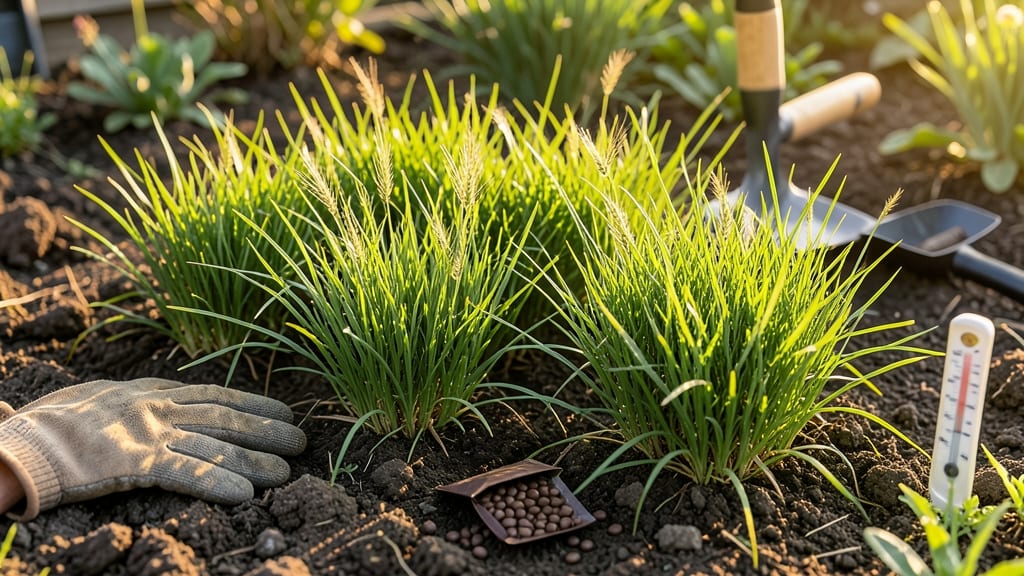
Planting annual ryegrass at the wrong time in Texas can mean a patchy lawn or wasted seeds—especially when summer heat lingers or frost sneaks in earlier than expected.
The key to a fast, resilient winter cover lies in understanding your region's unique climate quirks, from North Texas' chilly winters to the Gulf Coast's milder weather.
Whether you're overseeding an existing lawn or establishing new grass, timing matters more than you might think. I’ll break down exactly when to plant in Texas zones 8a-10b, so you can avoid common mistakes like planting too late for frost or too early for heat stress.
Let’s get your lawn looking lush before winter sets in.
For most Texans, the ideal window stretches from late August to early October, but your exact timing depends on whether you're in the Panhandle or the Rio Grande Valley.
We’ll cover how to read your local frost dates and soil temps to lock in the perfect moment for seed germination.
Ready to transform your lawn into a thick, green carpet that outlasts the competition? Stick around—I’ll walk you through everything from soil prep to avoiding the biggest planting blunders in Texas.
Best planting months for annual ryegrass in Texas regions (north vs. central vs. south)
Texas' diverse climate means one planting window doesn't fit all. From the High Plains to the Gulf Coast, timing your annual ryegrass seeds matters more than anywhere else. Get it wrong, and you'll battle heat stress or frost damage before your lawn even establishes.
I've broken down the ideal planting months for each Texas region, accounting for soil temperatures, first frost dates, and heat tolerance thresholds. The goal? A 3-4 week establishment before winter sets in. Here's where to focus:
🌱
| Region | Ideal Planting Window | Soil Temp (°F) | First Frost Risk | Key Consideration |
|---|---|---|---|---|
| North Texas (Dallas/Fort Worth) | Mid-September to early October | 55-65°F | Mid-November | Avoid late September heat (soil temps >75°F) |
| Central Texas (Austin/San Antonio) | Late August to mid-October | 60-70°F | Late November | Longer window due to milder winters |
| South Texas (Houston/Corpus Christi) | September to early November | 65-75°F | Early December | Watch for hurricane season delays |
| High Plains (Lubbock/Abilene) | Early September to mid-October | 50-60°F | Early November | Cooler nights extend window |
| Gulf Coast (Beaumont) | October to November | 65-70°F | Mid-December | Humidity slows seed germination |
Notice how North Texas has the tightest window? That's because soil temperatures drop faster there. Meanwhile, South Texas can push later thanks to milder winters—but don't wait too long or your seeds will rot in humid conditions.
Pro tip: Use a soil thermometer ($15 at garden centers) to confirm temps hit 55-65°F before planting. Cold soil = slow germination = weak winter lawn. 🌡️
For overseeding existing lawns, aim for late August to September across most regions. This gives seeds time to outcompete warm-season grasses like Bermuda before winter dormancy kicks in.
One critical rule applies everywhere: Never plant annual ryegrass after your region's first frost date. The seeds won't germinate, and you'll waste money on dormant seed. Check your local USDA Plant Hardiness Zone map for exact dates.
🌱
Texas' microclimates mean your neighbor's perfect timing might fail for you. For example, Hill Country elevations can be 5°F colder than nearby valleys—adjust your window accordingly. Always err on the earlier side if you're unsure.
Next, we'll cover how to prepare your lawn for planting based on your specific region and existing turf type. Spoiler: Soil aeration is non-negotiable in Texas' compacted clay soils!
How to choose the perfect planting window for your Texas lawn type
Selecting the right planting window for annual ryegrass in Texas isn’t just about picking a month—it’s about matching your lawn’s current state with your region’s soil temperature and frost risk.
For example, North Texas lawns need seeds in the ground 4-6 weeks before frost, while Gulf Coast areas can wait slightly longer due to milder winters.
Start by checking your local frost dates. In North Texas (USDA Zones 8a-8b), the first frost often hits around November 15, so aim to plant by late September to early October.
Meanwhile, Central Texas (Zone 8b-9a) can extend planting until mid-October, and the Gulf Coast (Zone 9a-10b) may even see success into November.
Your lawn’s current condition also dictates timing. If you’re overseeding an existing Bermuda or St. Augustine lawn, plant 3-4 weeks before your region’s first frost to give seeds time to germinate before dormancy. For new lawns, extend the window by 2 weeks earlier to account for slower establishment.
Soil Temp Check
Annual ryegrass thrives when soil temps are between 55-65°F. Use a soil thermometer to confirm—if temps are above 70°F, wait for cooler evenings. In Texas, this often aligns with late August to September.
Monitor rainfall forecasts for the next 4 weeks. Aim to plant when 1-1.5 inches of rain is predicted—this reduces your watering workload. South Texas gardeners can rely on natural rainfall, while North Texas may need supplemental irrigation.
For overseeding, mow existing grass short (1-1.5 inches) 2-3 days before planting. This ensures seeds make direct contact with soil. Skip this step for new lawns—just rake and loosen topsoil instead.
Plant annual ryegrass when daytime highs are below 85°F and nighttime lows dip into the 50s. This balance prevents heat stress while allowing germination. Use a shade cloth if temps spike unexpectedly.
Don’t overlook microclimates within your area. A backyard in elevated terrain (like Hill Country) may frost earlier than a valley, while urban areas with heat islands can delay cooling. Adjust your planting date by 1-2 weeks if your spot is unusually warm or cold.
Pro tip: Use a planting calendar tailored to your Texas county—many local Cooperative Extension offices provide free, region-specific guides. For example, Lubbock’s ideal window is September 1-15, while Houston’s stretches to October 15. Align your schedule with these local benchmarks for best results.
Finally, if you’re unsure, err on the earlier side. Annual ryegrass germinates faster in cooler soil than it struggles in late-season heat. A September planting in North Texas gives seeds time to establish before winter, while a November start in South Texas risks frost damage.
When in doubt, plant by October 1st for most of the state.