
Plants
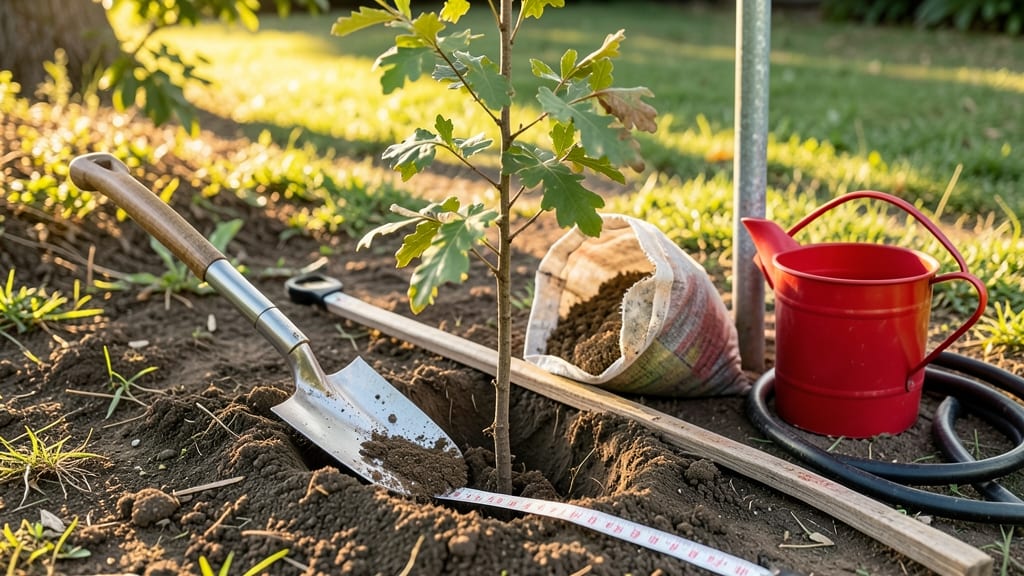
Planting a tree in Texas at the wrong time can mean slow growth, poor survival rates, or even death—so timing is everything for thriving roots and long-term success. With Texas' 8a-10b climate zones, you’ve got two prime windows to get it right: fall and early spring.
These periods give your 🌳 the best shot at establishing strong roots before extreme heat or drought sets in.
Why does timing matter so much? Because Texas summers are brutal—100°F+ temperatures can shock young trees, while winter freezes in northern regions (like Zone 8a) can damage tender roots. Planting in October-December or February-March lets your tree focus on growth without fighting the elements.
But here’s the kicker: not all trees are created equal. Fast-growing species like Live Oak or Cedar Elm need different care than drought-resistant varieties. I’ll break down the best months for your region—whether you’re in North, South, or West Texas—and how to prep your soil for faster root establishment.
Ready to plant with confidence? Let’s dive into the exact steps to pick the perfect time, choose the right tree, and set it up for success—so you’re not left with a sad, struggling sapling in a few years.
Best months to plant trees in Texas by region (North vs South vs West)
Texas’s diverse climate means planting timing varies wildly—from North Texas’s chilly winters to South Texas’s mild winters and West Texas’s arid extremes. The ideal window for most trees is fall (October–December) or early spring (February–March), but regional microclimates shift these dates.
Let’s break it down by zone to avoid heat stress or freeze damage.
In North Texas (USDA Zones 7b–8a), where last frost often hits February 15, plant bare-root trees in November–January while they’re dormant.
For container-grown trees, February–March is ideal—soil warms enough for root growth without scorching new leaves. South Texas (Zones 9a–10a) offers a longer window: September–November or January–March, avoiding the summer’s brutal heat.
West Texas (Zones 7b–9a) demands extra caution—plant in late fall (November) or very early spring (February) to escape 100°F+ summers. Native species like Mesquite or Eastern Red Cedar thrive here if planted when soil temps stay below 75°F. Pro tip: Mulch heavily to retain moisture in alkaline, sandy soils common to the region.
| Region | USDA Zone | Best Planting Months | Key Considerations |
|---|---|---|---|
| North Texas | 7b–8a | Nov–Jan (bare-root), Feb–Mar (container) | Avoid spring frosts; clay-heavy soil |
| South Texas | 9a–10a | Sep–Nov, Jan–Mar | Humidity risks fungal diseases; sandy loam |
| West Texas | 7b–9a | Nov (late fall), Feb (early spring) | Extreme heat/drought; alkaline soil |
Why fall planting? Cooler temps and consistent rainfall (especially in East Texas) help roots establish before summer. Spring planting risks transplant shock if heat arrives too soon. For fruit trees like Pecan or Fig, wait until March—they need full dormancy to avoid bacterial infections.
Evergreens like Live Oak or Eastern Red Cedar handle transplanting year-round in South Texas, but deciduous trees (e.g., Cedar Elm) need dormant-season planting. Check local frost dates—the Texas A&M AgriLife Extension offers free frost maps for precise timing.
If you miss the window, container-grown trees can be planted in late summer (August), but water deeply and shade leaves to reduce stress. Bare-root trees planted in summer often wilting—their roots can’t keep up with evaporative demand.
Always amend soil with compost or gypsum (for clay) to improve drainage.
For urban areas (e.g., Austin, Houston), plant in fall to avoid construction soil compaction. Use mycorrhizal fungi in root zones to boost nutrient uptake in poor city soil. Native species like Texas Mountain Laurel adapt faster—prioritize them for water conservation.
Remember: Tree size matters. A 10-foot tree needs 30 gallons of water weekly for the first year, while a 50-gallon container tree requires 50 gallons. Mulch 3–4 inches deep to lock in moisture—critical in West Texas’s 100°F+ summers. 🌳
How to prepare your Texas soil for fast tree root growth before planting
Preparing your Texas soil before planting a tree is the secret to strong root systems and long-term survival. Texas soils range from clay-heavy in the East to sandy in the West, both of which can strangle young roots if not amended properly.
Start by testing your soil’s pH level—most Texas trees prefer a slightly acidic to neutral range of 6.0-7.5.
If your soil tests too alkaline (common in caliche-rich areas), mix in composted pine bark or sulfur to lower the pH. For sandy soils, add organic matter like compost or aged manure to improve water retention. The goal? A loose, well-draining mix that encourages roots to spread quickly.
🌱 Pro Tip: Dig a hole twice as wide as your tree’s root ball but only as deep as the root ball itself. This prevents root suffocation from being buried too deep.
🌿 Step-by-Step Soil Prep for Texas Trees
- 1 Test soil pH and texture (sandy/clay).
- 2 Amend with compost (2-3 inches) or peat moss for clay.
- 3 Loosen soil 12 inches deep around planting area.
- 4 Add slow-release fertilizer (6-10-10) to the bottom of the hole.
- 5 Water deeply 24 hours before planting to settle soil.
For drought-prone areas (like West Texas), mix in hydromulch or wood chips to retain moisture. Avoid compacting the soil—walk around the planting area instead of stepping directly where roots will grow. A well-aerated soil profile helps roots penetrate deeper, making your tree more resilient during Texas’ 100°F summers.
If your yard has poor drainage, create a slight mound when planting to prevent waterlogging. This is especially critical in Houston’s clay soils or El Paso’s flood-prone zones. Mulch with 3-4 inches of shredded bark after planting to lock in moisture and regulate soil temperature.
💧 Remember: Overwatering at planting can drown roots, while underwatering stresses them. Aim for deep, infrequent watering (10-20 gallons) immediately after planting, then taper off as roots establish.