
Planting
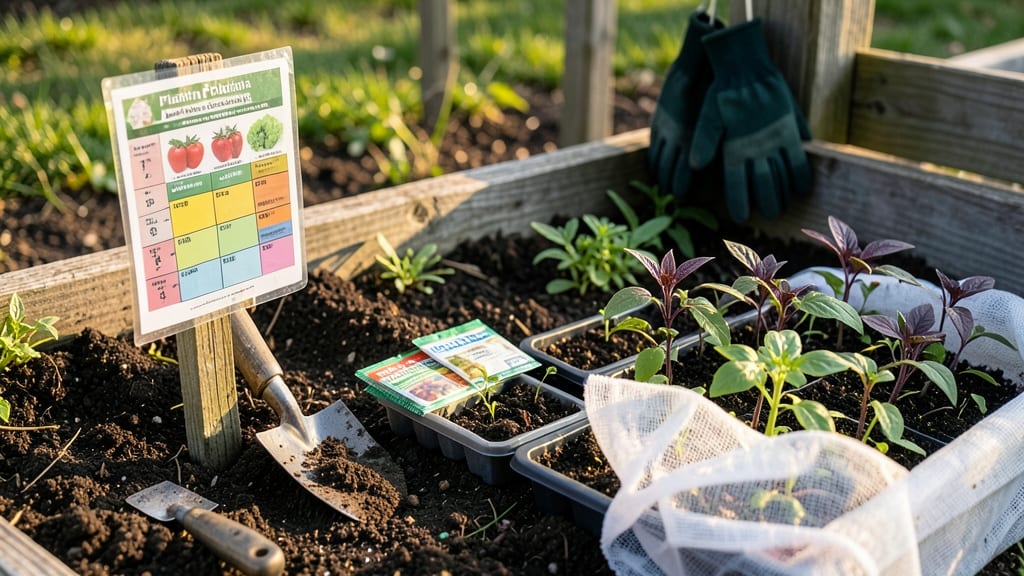
When to plant a garden in Indiana just right can mean the difference between a bumper crop and a sad, frost-nipped failure. Planting too early risks those tender seedlings getting zapped by late frosts, while waiting too long shrinks your growing season—leaving you with wilted zucchinis instead of harvests. The key? Mastering Indiana’s USDA Zones 5b-6a and their tricky frost dates.
If you’ve ever stared at seed packets wondering, “When exactly should I plant this?”—you’re not alone. Indiana’s climate throws curveballs, with last frosts creeping as late as April 15 in some years and first frosts sneaking in by October 15.
But here’s the good news: with the right schedule, you can grow everything from crisp lettuce to juicy tomatoes—without guessing.
In this guide, I’ll break down the perfect planting windows for your garden 🌱, from cool-season crops like spinach to heat-lovers like peppers. You’ll learn how to use soil temperature, local microclimates, and even NOAA forecasts to fine-tune your timeline. No more missed opportunities or wasted seeds!
Whether you’re a first-time gardener or a seasoned pro, these zone-specific tips will help you plant with confidence. Let’s get your Indiana garden off to the best possible start—so you can enjoy fresh veggies all season long.
Indiana’s last frost dates by Zone 5b-6a (2024 guide)
Indiana’s USDA Zones 5b-6a experience dramatic swings between freezing nights and warm days, making frost dates the most critical factor for your garden’s success. The last spring frost typically arrives between mid-April and early May, while the first fall frost hits around mid-October.
These dates determine when to plant warm-season crops like tomatoes and peppers—and when to protect tender seedlings.
For Zone 5b (northern Indiana, e.g., Fort Wayne), the average last frost is April 22, while Zone 6a (southern Indiana, e.g., Evansville) sees it April 15. The first fall frost reverses this pattern, arriving earlier in the north (October 10) than the south (October 20).
These variations mean your planting timeline should adjust based on your exact location.
🌱
| Zone | Last Spring Frost | First Fall Frost | Safe Planting Window | Notes |
|---|---|---|---|---|
| Zone 5b (e.g., Fort Wayne, Gary) | April 22 (±7 days) | October 10 (±7 days) | May 10 – September 15 | Longer growing season; use row covers for early starts. |
| Zone 6a (e.g., Indianapolis, Evansville) | April 15 (±7 days) | October 20 (±7 days) | April 25 – October 5 | Warmer microclimates near cities; plant peppers 2 weeks earlier. |
⚠️ 10-Day Rule: Wait 10 days after the average last frost before planting warm-season crops like tomatoes and cucumbers.
Use the 10-day rule as your guide: After the average last frost date, wait an extra 10 days to ensure your soil is warm enough for warm-season vegetables. For example, if your last frost is April 22, don’t plant tomatoes until May 2.
This buffer accounts for Indiana’s unpredictable late frosts, which can still occur as late as May 10 in some years.
City-specific microclimates also play a role. Urban areas like Indianapolis and Evansville often warm up 1-2 weeks faster than rural zones due to the urban heat island effect. If you’re in a city, you can safely plant 2 weeks earlier for heat-loving crops like peppers and eggplants.
For cool-season crops like lettuce and spinach, you can start seeds 4-6 weeks before the last frost date. In Zone 5b, that means early March, while Zone 6a gardeners can begin in late February.
Use cold frames or row covers to extend the season into early November for fall harvests.
🌡️
To confirm your local frost dates, check the NOAA Climate Normals for your city or use a soil thermometer to verify when temperatures reach 50°F (10°C)—the minimum for planting warm-season crops.
In my garden, I’ve seen 3-year delays in spring warming, so I always have backup seeds ready for late starts.
Pro tip: Plant fast-maturing varieties like bush beans or radishes as early as April 1 in Zone 6a, even if frost is possible. These hardy crops can tolerate light frosts and give you a quick harvest while you wait for the soil to warm.
🌿
Best planting calendar for Indiana gardens: what to sow when
Indiana’s growing season spans from late spring to early fall, but timing matters for every plant. Cool-season crops like lettuce and peas thrive in March-April, while warm-season favorites such as tomatoes and peppers need to wait until after the last frost.
My garden’s success hinges on matching each plant’s needs to Indiana’s USDA Zones 5b-6a and soil temperatures—typically 50°F+ for warm crops.
For direct sowing, start hardy veggies like carrots and radishes in early April, while tender greens (spinach, kale) can go in late March under frost cloth. Transplants like tomatoes and peppers should wait until mid-May, when nighttime temps stay above 55°F.
I’ve learned the hard way that rushing warm-season plants often leads to stunted growth—patience pays off with robust harvests!
Extend your season with row covers or cold frames for early starts. I’ve used floating row covers to protect lettuce from late spring frosts, adding 2-3 weeks of growing time.
For fall planting, start cool-season crops like broccoli and Brussels sprouts in August—these thrive in cooler temps and often produce sweeter flavors after a light frost.
Herbs like basil and cilantro are finicky in Indiana’s heat.
I sow basil directly in late May after soil temps hit 70°F+, while cilantro bolts in summer—so I plant it again in early September for a fall harvest. Perennials like asparagus and rhubarb can go in early spring, but they need patience: asparagus takes 2-3 years to establish before full harvests.
Don’t overlook fall planting for garlic and onions. I plant garlic in October for harvest the following summer—it overwinters beautifully in Indiana’s climate. For a year-round garden, succession plant fast growers like radishes and bush beans every 2-3 weeks from spring to early summer.
Pro tip: Keep a planting journal to track what works in your microclimate. My garden’s south-facing beds warm up faster than shaded areas, so I adjust planting dates accordingly. With the right timing, Indiana’s growing season can be just as productive as warmer climates!