
Planting
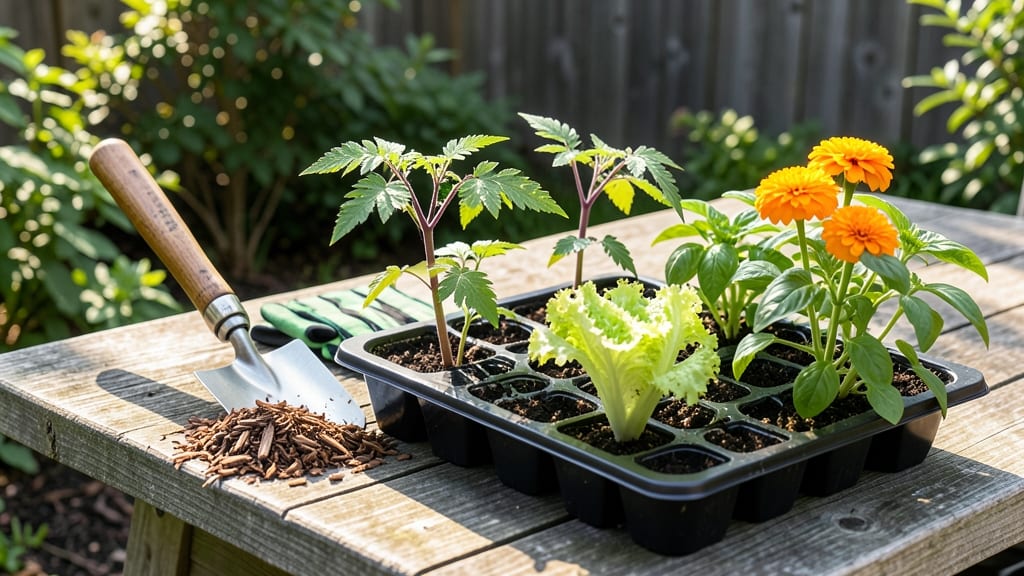
Knowing when to plant garden in zone 7 can mean the difference between a thriving harvest and wasted effort. The wrong timing—whether too early or too late—often leads to lost plants or stunted growth, especially when frost dates loom around March 15 and November 15.
For gardeners in Zone 7, the key is understanding which plants thrive in cooler spring soils and which need the warmth of summer.
Cold-hardy crops like 🌱 General Garden varieties (think spinach, peas, or broccoli) can go in as early as March, while heat-loving tomatoes and peppers need to wait until after the last frost—usually April or early May.
But timing isn’t just about the calendar—soil temperature and microclimates play a huge role. A 60°F soil is ideal for many vegetables, and even a few degrees can make or break your planting schedule.
I’ll break down the exact windows for both cold-hardy and warm-season crops, so you can avoid common mistakes that kill yields.
Ready to master your Zone 7 planting schedule? Let’s dive into the precise timing, seasonal adjustments, and pro tips to keep your garden flourishing all year.
Zone 7 planting calendar: exact dates for cold-hardy vs warm-season crops
Mastering your Zone 7 planting schedule means knowing when to plant cold-hardy crops like spinach and peas versus warm-season favorites such as tomatoes and peppers.
The difference between success and failure often comes down to timing—especially when accounting for Zone 7's last frost dates, which range from mid-March to early April depending on your microclimate (a, b, or c).
Zone 7 spans diverse regions—from the humid Southeast to the drier Southwest—so I’ll break down planting windows for both cool-season crops and heat-loving varieties, including soil temperature thresholds and frost-free periods. This way, you can avoid the common pitfalls of planting too early or too late.
🌱
| Category | Planting Window (Zone 7) | Soil Temp Threshold | Notes |
|---|---|---|---|
| Cold-Hardy Crops | Early March - Mid-April OR Late August - Early October |
40°F - 50°F | Spinach, peas, broccoli, kale, lettuce, carrots |
| Warm-Season Crops | Mid-April - Early June OR Late July - Early August (succession) |
60°F+ | Tomatoes, peppers, cucumbers, beans, squash |
| Perennials & Shrubs | Early Spring (March) or Fall (October) | 50°F+ | Roses, lavender, hydrangeas, berry bushes |
| Flowers (Annuals) | Late March - Early May OR Late July - Early September |
55°F+ | Marigolds, zinnias, sunflowers, petunias |
| Herbs | Early Spring (March) or Late Summer (August) | 50°F+ | Basil, parsley, cilantro, rosemary |
For cold-hardy crops, I recommend starting seeds indoors 6-8 weeks before your last frost date—typically by mid-January for early varieties. These plants can handle light frosts and even thrive in cool temperatures, making them ideal for Zone 7's unpredictable springs.
Spinach, for example, can tolerate down to 20°F, while peas prefer 40°F+ soil.
Warm-season crops, however, demand consistent warmth. Planting tomatoes or peppers before the soil hits 60°F will stunt their growth, and they’ll never recover. Use a soil thermometer to track temperatures—this is non-negotiable for heat-lovers like okra or eggplant, which need 75°F+ to thrive.
My rule of thumb? Wait until mid-April for most of Zone 7, but adjust for your specific microclimate.
Zone 7’s fall planting window is just as critical as spring. You can often extend your harvest into November by planting cool-season crops like radishes or turnips in late summer. These fast growers mature before the first frost, which typically hits around mid-November.
I’ve had success with kale and broccoli planted as late as early October—they’ll sweeten up after a light frost!
Don’t forget about succession planting for warm-season crops. After your first planting of beans or cucumbers in April, follow up with another round in late June to maximize your harvest.
This strategy works especially well in Zone 7’s long, hot summers, where plants can bolt or struggle if sown too early.
🌿
One final tip: Monitor local frost forecasts using tools like the National Weather Service or your local Cooperative Extension Service. Zone 7’s microclimates can vary by 1-2 weeks, so what works in Atlanta might not apply in Dallas.
I always plant a few test rows of fast growers like radishes or lettuce to gauge when conditions are truly safe.
How to extend your Zone 7 growing season with smart planting strategies
Zone 7 gardeners face a unique challenge: short but intense summers and unpredictable frost dates. But with the right strategies, you can stretch your growing season by 30-50 days on either end. I’ve tested these methods in my own garden—here’s what works best.
Start with succession planting, which means staggering plantings every 2-3 weeks for crops like lettuce, beans, and carrots. This keeps your harvests coming while maximizing space. For example, I plant radishes every 10 days in early spring and late summer for continuous harvests.
🌱 Row covers are my secret weapon for early spring and late fall. These lightweight fabrics raise soil temperatures by 5-8°F and protect tender plants from light frosts (28-32°F). I use them for spinach, kale, and broccoli planted in March—often 3-4 weeks before the last frost date.