
Plants
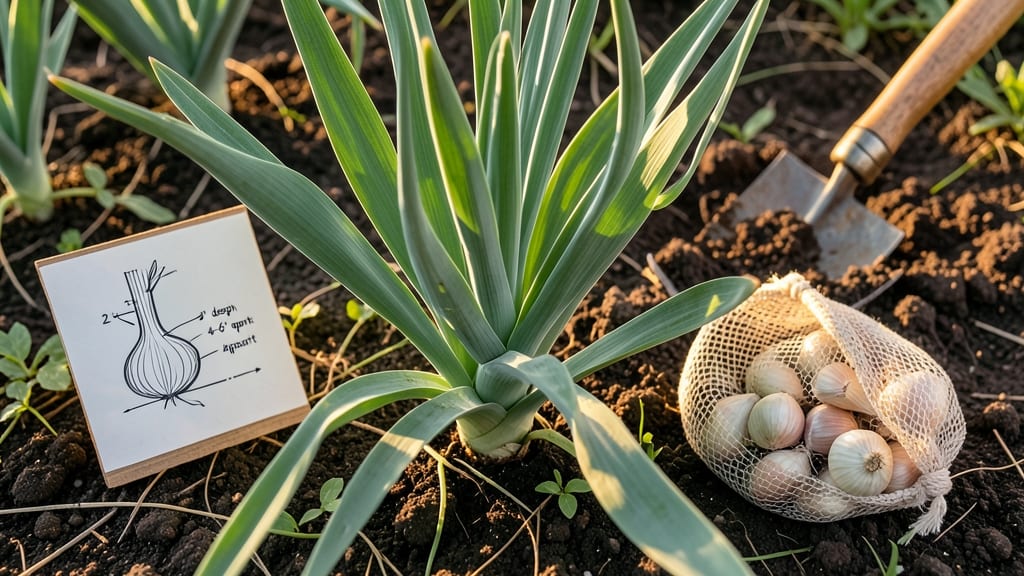
If you’ve ever wondered when to plant garlic in Zone 4b, the answer isn’t just about picking a random fall month—it’s about hitting a precise window that makes the difference between a bountiful harvest and wasted effort. 🧄
Zone 4b’s chilly winters and short growing season demand timing that balances frost protection with early growth. Plant too early, and your garlic might bolt; too late, and frost will nip it before it even sprouts.
The key? A mid-to-late October deadline that aligns with soil temperatures and local frost dates.
I’ll break down the exact window, the best cold-hardy varieties for your zone, and how to adjust if you miss the cutoff. Whether you’re a beginner or a seasoned gardener, these tips will help you grow plump, flavorful bulbs next summer—no guesswork required.
Ready to master the art of garlic planting? Let’s dive into the science and strategies that work in Zone 4b’s unique climate.
Zone 4b garlic planting deadline: the exact October window
Garlic thrives in Zone 4b because it needs cold winters to form bulbs—but timing is everything. Plant too early, and your garlic cloves will sprout prematurely and bolt. Too late, and winter frost will kill them before they establish roots.
The magic window? Mid-October to early November, with a hard cutoff around October 15th for most of Zone 4b.
This deadline isn’t arbitrary. Garlic requires 4-6 weeks of cool soil temps (40-50°F) before winter dormancy kicks in. If planted after October 15th, your cloves may not root deeply enough to survive subzero temps.
Think of it like a race against the first hard frost—your garlic needs to root before the ground freezes.
For northern Zone 4b (e.g., Minneapolis, Duluth), aim for planting by October 1st due to earlier frosts. In southern Zone 4b (e.g., Chicago, Cleveland), you can push it to October 15th or even early November.
Always check your local frost dates—your last planting window is roughly 4-6 weeks before the ground freezes.
Here’s the science: Garlic cloves need soil temps below 50°F to trigger dormancy and bulb formation. If planted too late, they’ll stay active, grow weak stems, and rot in cold soil. The October 15th cutoff gives your garlic enough time to root but still experience winter’s chill—a perfect balance.
| Zone 4b Region | Last Planting Window | Soil Temp Goal | Key Risk |
|---|---|---|---|
| Northern Zone 4b (e.g., Duluth, Marquette) | September 25 – October 10 | 40–50°F (4–10°C) | Early frost kills unrooted cloves |
| Central Zone 4b (e.g., Chicago, Detroit) | October 1 – October 15 | 45–55°F (7–13°C) | Weak root growth if planted late |
| Southern Zone 4b (e.g., Pittsburgh, Columbus) | October 10 – November 1 | 50–58°F (10–14°C) | Bolting if planted too early |
🌡️ Pro Tip: Use a soil thermometer to confirm temps—garlic roots best when soil is cool but not frozen.
Missed the October window? Don’t panic. You can still plant garlic in Zone 4b—just switch to spring garlic (smaller bulbs) or use row covers to extend the season. But for maximum yield, stick to the October deadline.
Hardneck varieties (like ‘Music’ or ‘German White’) need cold winters to form scapes, while softnecks (like ‘Silverskin’) are more flexible but still prefer early planting.
One common mistake? Planting garlic in August or early September. While the cloves might sprout, they’ll bolt prematurely in Zone 4b’s heat, producing tiny, pungent bulbs. The key is cool soil + winter chill.
If you’re unsure about your frost date, check your USDA Plant Hardiness Zone Map or ask local gardeners—they’ve got the real-world data.
For extra insurance, plant a test row in late September. If the garlic sprouts before October 15th, it’s too early—wait a week and replant. This simple trick helps you nail the perfect timing without guessing.
And remember: garlic planted in October = plump bulbs in July. No shortcuts, just science.
Once you’ve locked in your planting date, prep your soil with compost and a balanced fertilizer. Garlic hates soggy soil, so amend heavy clay or sandy soil to improve drainage. Mark your calendar for July harvest—that’s when your patience pays off with bold, flavorful bulbs.
Zone 4b’s climate is tough, but garlic is one of the hardiest crops you can grow. With the right timing, you’ll outsmart frost, avoid bolting, and enjoy a bountiful harvest—all while other gardeners are still figuring out their planting schedule. Now grab those cloves and get planting! 🧄
Zone 4b garlic planting deadline: the exact October window
Garlic in Zone 4b thrives on a precise planting window—miss it, and you risk frost damage or premature bolting. The magic cutoff is October 15th, but your exact date depends on your latitude.
In northern Zone 4b (e.g., Minnesota), aim for mid-October; in southern areas (e.g., Pennsylvania), you might squeeze in early November. The goal? Plant 4-6 weeks before the ground freezes.
Soil temperature is the real trigger. Garlic roots need 40-50°F soil to establish before winter dormancy. Use a soil thermometer to confirm—if temps drop below 35°F, roots stall. In Zone 4b, this usually happens by late October, making that your last chance.
Pro tip: Hardneck varieties handle cold better than softnecks, giving you a 5-7 day buffer.
| Zone 4b Planting Timeline | |
|---|---|
| Task | Action |
| Soil Prep | Test pH (6.0-7.0), add compost, till 6" deep |
| Planting Window | Mid-October to October 15th (latitude-dependent) |
| Clove Depth | 2 inches, pointed end up, 4-6" apart |
| Mulching | 4-6" of straw/straw mulch after planting |
| Frost Protection | Row covers if temps drop below 20°F |
Late planting after October 15th is risky, but not impossible. If you missed the window, focus on soil insulation. Add 8-12 inches of straw mulch to delay freezing. In Zone 4b, this can push your planting date to early November—but expect smaller bulbs.
For true latecomers, try spring garlic (plant in March) or green garlic (harvest scapes in June).
Why does timing matter so much? Garlic needs 120-180 days of cold to form bulbs. In Zone 4b, that means overwintering. Plant too early (e.g., September), and garlic may bolt prematurely—sending up flowers instead of bulbs.
Plant too late, and frost kills roots before they establish. The October 15th deadline balances these risks perfectly for 90% of Zone 4b gardeners.
Use your last frost date as a backup. In Zone 4b, the average last frost is May 1st, but garlic’s 240-300 day growth cycle means you’ll harvest in July-August.
Count backward: 270 days before harvest lands you in October. For example, if you harvest on July 15th, plant by October 1st. Simple math beats guesswork every time.
Don’t stress if your October 15th falls on a weekend—just plant by October 18th. The 3-day buffer accounts for soil prep delays. And remember: hardneck varieties (like ‘Music’ or ‘German White’) are your best bet for Zone 4b’s harsh winters.
They’ll reward your timing with bold, flavorful bulbs next summer.