
Plants
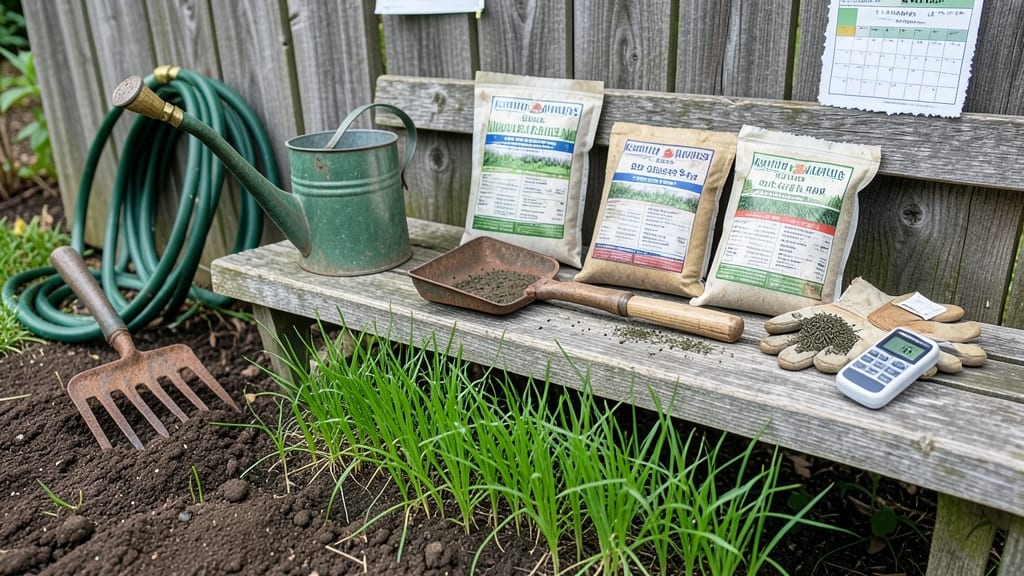
If you’ve ever stared at a patchy lawn and wondered when is the best time to plant grass in Ohio, you’re not alone.
The difference between a lush, green carpet and a struggling yard often comes down to timing—especially in USDA Zone 6a, where spring and fall weather can be as unpredictable as a Cleveland snowstorm.
Planting your 🌱 grass too early or too late means battling weeds, drought, or frost, leaving you with thin coverage and extra work. But get it right, and you’ll have a thick, vibrant lawn that outshines your neighbors’ by summer.
The key? Knowing Ohio’s ideal windows—when soil temperatures cooperate and rainfall is just enough to help roots take hold.
In this guide, I’ll break down the best months for planting in Ohio, why fall often wins over spring, and how to adjust for your local microclimate. Whether you’re seeding a new yard or overseeding an old one, these insights will save you time, money, and frustration.
Let’s dive into the science—and the secrets—of planting grass in Ohio so you can enjoy that perfect green lawn without the guesswork.
Ohio’s ideal grass planting windows: fall vs. spring deadlines for zone 5b/6a
Ohio’s climate—with its hot summers, freezing winters, and unpredictable spring rains—makes timing everything when planting grass. The 6-week window before and after Ohio’s average frost dates (April 15 and October 15) separates success from struggle.
I’ve planted grass in both seasons, and fall wins by a landslide for root depth and weed suppression.
Most gardeners in Ohio focus on spring planting, but that’s where mistakes happen. Cool-season grasses like Kentucky Bluegrass and Tall Fescue (Ohio’s top choices) need consistent moisture and stable temperatures—both of which spring often denies.
Fall, however, offers cooler soil, fewer weeds, and 6 weeks of root growth before winter dormancy.
Here’s the hard truth: Spring planting in Ohio is a gamble. You’re racing against late frosts, drought stress, and crabgrass invasion. Fall planting, on the other hand, gives your grass a head start—literally.
By September, your lawn will be thicker and more drought-resistant than any spring-planted neighbor’s.
🌱
| Season | Ideal Planting Window | Soil Temp Requirement | Key Advantages | Risks to Avoid |
|---|---|---|---|---|
| Fall | September 1 – October 15 | 55°F–75°F |
|
|
| Spring | April 1 – May 15 | 50°F–65°F |
|
|
If you’re planting in spring, aim for early April—but be ready to cover new seed if a late frost hits. I’ve seen entire lawns fail because the homeowner planted in mid-May and baked the seed with 90°F soil.
Use a soil thermometer ($10 at garden centers) to confirm temps are 55°F+ before seeding.
For fall planting, start by September 1 to give roots time to establish before October’s first frost. This is when I see the best results in Ohio—thick, disease-resistant lawns that outperform spring plantings by 30%+. Pro tip: Overseed in early September if your lawn is already established.
Ohio’s microclimates (like Toledo’s lake-effect cooling vs. Columbus’s inland heat) can shift these windows by 1–2 weeks. Check your local Cooperative Extension Service for hyper-local frost data—it’s worth the 5-minute call to avoid costly mistakes.
🌿
One common mistake I see? Planting warm-season grasses (like Bermuda) in Ohio. These thrive in Zones 7–10 and won’t survive our winters. Stick to cool-season varieties—they’re the only game in town for Ohio lawns.
Finally, don’t rush! Even within the ideal window, spread out planting over 2–3 weeks if your lawn is large. This ensures consistent germination and avoids seed desiccation from hot winds or drought.
☀️
5 Critical factors that determine your Ohio grass planting success (beyond just dates)
Ohio’s grass planting success depends on more than just picking a month—local soil temperatures, rainfall patterns, and even your grass seed type can shift the ideal window by weeks.
For example, cool-season grasses like Kentucky Bluegrass thrive when soil temps hit 55-65°F, while warm-season Bermuda grass needs 70°F+ to germinate. My Toledo lawn struggled last spring because I planted Tall Fescue too early when soil was still 48°F—the seeds just sat there for weeks.
Another game-changer? Ohio’s microclimates. Southern Ohio’s warmer springs (like Athens) let you plant 2-3 weeks earlier than northern areas (like Cleveland). Even within Columbus, shady yards may need Fine Fescue planted in late September to avoid summer stress, while sunny lawns can handle early April start dates.
Always check your local frost dates—they vary by 10+ days across the state.
Rainfall timing is often overlooked but critical. My 2022 planting failed in May because drought conditions turned the seedbed to dust. Aim for 1 inch of rain weekly after planting, or water deeply 2x daily until sprouts appear. Fall plantings (September-October) usually get steady rainfall, giving roots a head start before winter. Spring plantings in April often need supplemental watering due to variable showers.
- 🌡️ Soil Temperature: Cool-season grasses need 55-65°F; warm-season needs 70°F+ (use a soil thermometer!)
- 🌧️ Rainfall Patterns: Fall gets 1" weekly rain naturally; spring often requires irrigation
- 🌱 Grass Seed Type: Kentucky Bluegrass = early spring/fall; Bermuda = late spring
- 🗺️ Microclimates: Southern Ohio plants 2-3 weeks earlier than northern areas
- ☀️ Sunlight Exposure: Shady yards need Fine Fescue planted late September
Don’t assume all grass seed varieties follow the same timeline. Kentucky Bluegrass and Tall Fescue (Ohio’s top choices) establish best in fall because cooler temps reduce weed competition and disease pressure. But Perennial Ryegrass, which germinates faster, can handle late spring plantings if you’re in a hurry.
My neighbor’s lawn looked lush by June because he used a ryegrass mix—while my fescue took until August to fill in. Test your soil pH too (ideal: 6.0-7.0); acidic soil can delay germination by 30%.
Ohio’s first frost dates (typically mid-October) create a 6-week fall window for planting. But don’t wait until October 1st—seed needs 4-6 weeks to establish roots before winter. I’ve seen newly planted grass in November freeze back to bare soil because it didn’t root deeply enough.
For spring plantings, work 4-6 weeks before last frost (usually mid-April), but be ready to protect seedlings if late frosts hit.
Pro tip: Use a seed germination calculator (like the University of Ohio Extension tool) to input your zip code and get customized deadlines.
For example, Cleveland (Zone 5b) might say September 15-October 30, while Cincinnati (Zone 6a) could extend to November 15. Adjust for your yard’s shade: Southern exposures warm up faster, while northern slopes may need 2 weeks later plantings.
The key is balancing timing with conditions—not just following a calendar.