
Companion Plants
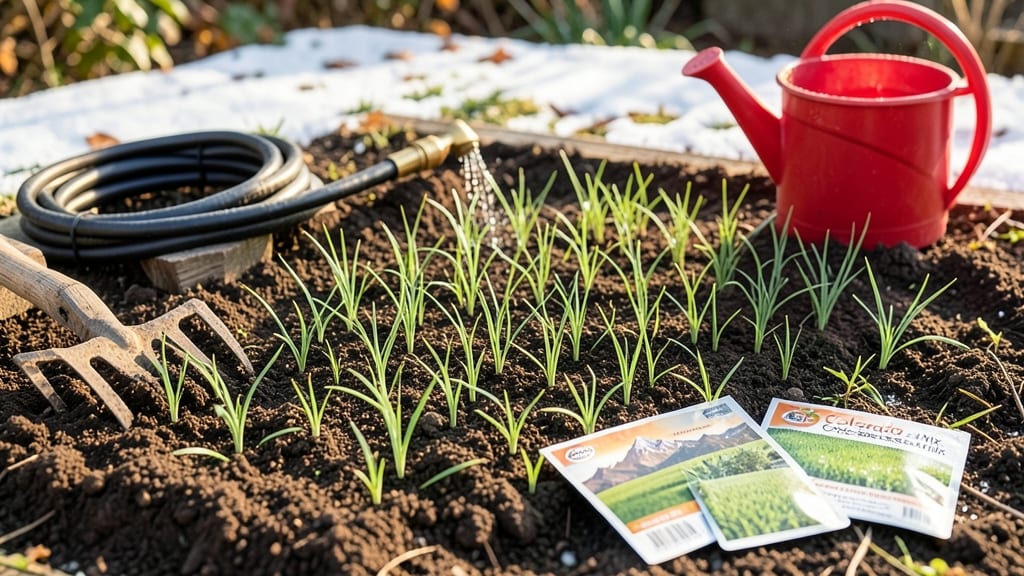
Timing your grass seed planting in Colorado wrong can turn your dream green lawn into a patchy, slow-growing frustration—especially with the state’s wild elevation swings and unpredictable spring storms. Whether you're in Denver’s Front Range or the high-altitude Western Slope, getting it right means understanding your local microclimate.
The key? Planting when soil temps hit that sweet spot between 50°F and 65°F, whether in early spring or late summer.
I’ve seen firsthand how a fast-growing lawn transforms a yard, and the secret starts with the right window. Colorado’s frost dates vary wildly—April 15 in lower elevations but weeks later at higher altitudes—so blindly following a calendar won’t cut it.
Let’s break down the exact months that work for your specific zone, plus how to prep your soil for maximum success.
You might think spring is the only time to plant, but fall often gives grass a head start by avoiding summer’s brutal heat. We’ll cover both seasons, plus how to adjust for drought-prone areas or sudden weather shifts.
Ready to skip the guesswork and get that lush, established lawn faster? Let’s dive into the science-backed deadlines tailored just for Colorado.
From choosing the right seed variety to avoiding common pitfalls, this guide will help you time your planting like a pro. Whether you’re seeding a new lawn or patching bare spots, knowing these deadlines could save you time, money, and frustration. Let’s get started.
Colorado’s best grass seed planting zones by elevation and microclimate
Colorado’s diverse geography means your grass seed planting timeline depends heavily on elevation and microclimate. The Front Range (Denver, Boulder) has different frost-free dates than the Western Slope (Grand Junction) or Eastern Plains (Pueblo).
Even within cities, urban heat islands can shift planting windows by 2-3 weeks. Let’s break down the best times for each region.
For low-elevation areas (5,000–6,500 ft), like Denver or Colorado Springs, aim for early April to mid-May in spring or late August to early September in fall. These zones have longer growing seasons and warmer soil temperatures, giving seeds a head start.
Higher elevations (7,500+ ft) should wait until mid-May or late September to avoid late frosts.
Soil temperature is your best guide: grass seed germinates best between 50°F and 65°F. Use a soil thermometer to confirm—if temps drop below 50°F, germination slows dramatically.
In mountain regions (8,000+ ft), like Vail or Steamboat Springs, even late September plantings can face frost risks, so opt for cold-hardy varieties like fine fescue.
Microclimates add another layer. South-facing slopes warm faster in spring, while north-facing yards may need 2-4 weeks later to plant. Urban areas with concrete and pavement can stay cooler longer, delaying planting by up to 10 days compared to rural fields.
Here’s how to adjust for your specific zone—use this table as your planting deadline
How to adjust planting timing for Colorado’s unpredictable weather patterns
Colorado’s weather can shift dramatically from one week to the next, making it tricky to pin down the perfect planting window for grass seed. Unlike predictable climates, Colorado’s spring can swing from freezing nights to sudden heatwaves, while fall might bring early frosts or lingering warmth.
The key is flexibility—adjusting your timeline based on soil temperature, moisture levels, and local microclimates.
For spring planting, aim for early April to mid-May, but don’t rush if the ground is still too cold (below 50°F). Use a soil thermometer to confirm the top inch of soil is consistently between 55°F and 65°F.
If frost lingers past April 15, wait until late April or early May—your grass seed will thank you with faster germination and stronger roots.
Fall planting (late August to mid-September) is often ideal because cooler temps and consistent moisture give seeds the best chance to establish before winter. However, if your area gets an early frost (common in mountain regions), shift to late August to avoid seed dormancy.
Pro tip: Test your soil’s moisture before planting—dry conditions can delay germination by weeks.
Monitor Soil Temp
Use a soil thermometer to confirm 55°F–65°F before planting. Cold soil = slow germination.
Adjust for Microclimates
Mountain areas? Plant 2 weeks earlier than Front Range. Urban heat islands? Delay by 1–2 weeks.
Choose Fast-Germinating Seed
Opt for Tall Fescue or Buffalo Grass—they sprout in 7–14 days vs. 21+ days for Kentucky Bluegrass.
Water Strategically
Keep soil consistently moist (not soggy) for 2–3 weeks. Use a sprinkler on low in the morning.
If you missed the ideal window, don’t panic—emergency seeding is possible! After drought or pest damage, plant fast-germinating seed like Annual Ryegrass in late summer (August) or early spring (March). Just be prepared to protect seedlings with frost cloth if temperatures dip below 40°F at night.
For high-altitude areas (above 8,000ft), consider extending your planting window by using a cold frame to warm the soil.
Finally, keep an eye on the 10-day forecast before planting. If heatwaves or heavy rains are predicted, delay by a week. The goal is to give your grass seed stable conditions—not just the right date on the calendar.
With these adjustments, you’ll outsmart Colorado’s weather and grow a lawn that’s the envy of the neighborhood.
🌱