
Trees
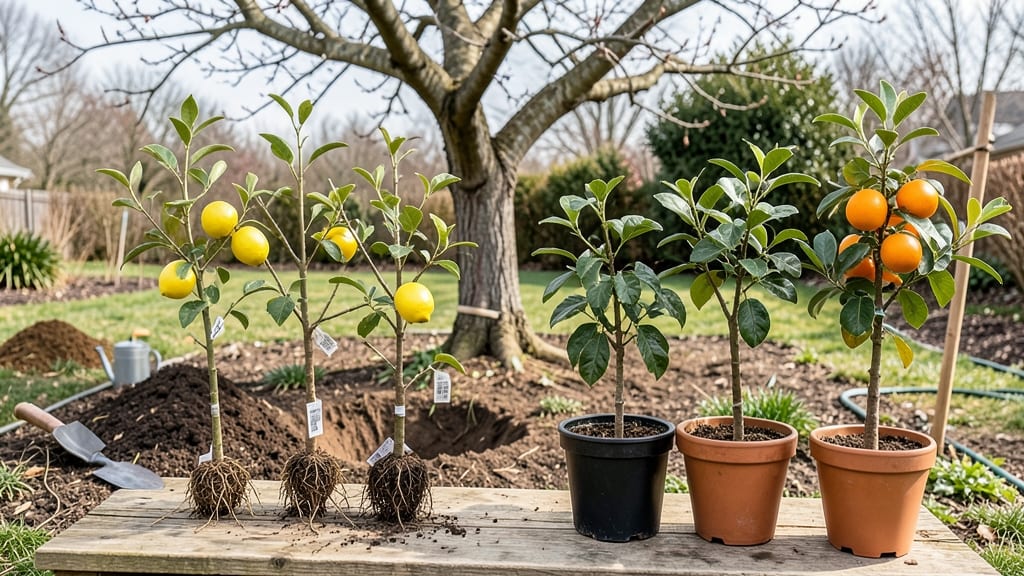
Planting fruit trees in California at the wrong time could mean the difference between a thriving orchard and wasted effort—especially when coastal fog and inland heat create wildly different growing conditions.
Whether you're in the Mediterranean climate of San Diego or the hot valleys of the Central Coast, timing your planting window is the key to avoiding frost damage or stunted growth.
I’ve spent years helping California gardeners navigate these microclimates, and the most common mistake? Assuming a one-size-fits-all approach. The truth? Your ideal planting month depends on whether you’re in a frost-prone zone or a heatwave hotspot. Let’s break down exactly when to plant for your specific region.
From citrus groves that thrive in mild winters to stone fruits needing chill hours, we’ll cover the best months for each variety. You’ll also discover how to read frost-free date maps and adjust for late-season surprises—because even California’s weather has surprises.
Ready to plant with confidence? By the end, you’ll know the perfect window for your fruit trees, whether you’re in the coastal chill or the inland heat. Let’s get started.
California’s 5 microclimates and their ideal fruit tree planting months (with frost risk data)
California’s diverse geography creates five distinct microclimates, each with unique frost risks and planting windows. Whether you’re in coastal fog belts or desert valleys, timing matters—plant too early, and frost zaps young roots; too late, and summer heat stresses transplants.
Let’s break down the best frost-free windows for each zone.
For coastal regions (e.g., San Francisco, Santa Barbara), the ideal planting window stretches from November to February. These areas rarely see frost, but cool, damp winters slow root establishment. Bare-root trees planted in December get a head start before spring rains arrive.
Inland valleys like the Central Valley (Sacramento, Fresno) have warmer winters but still face occasional frost. Here, February to early April is prime—avoiding late-winter frosts that can kill tender new growth. Peach and apricot trees thrive here if planted before March 15.
Desert areas (e.g., Palm Springs, Riverside) offer year-round planting but require immediate watering to combat heat stress. March to May is ideal—soil warms quickly, reducing transplant shock. Citrus and figs love this climate, but avoid summer planting when 100°F+ soil burns roots.
High-elevation zones (Sierra foothills, Lake Tahoe area) demand late spring planting (May–June) to dodge late frosts. These areas have shorter growing seasons—choose low-chill varieties like ‘Sierra Gold’ peaches (300+ chill hours) to ensure fruit set.
Mediterranean climates (Los Angeles, San Diego) mimic coastal zones but with milder winters. Plant November through January for optimal root growth before summer droughts hit. Avocado and olive trees flourish here if given well-draining soil.
| Microclimate | Best Planting Months | Frost Risk | Top Trees |
|---|---|---|---|
| Coastal | November–February | Low (rare below 32°F) | Avocado, Fig, Olive |
| Inland Valley | February–Early April | Moderate (late frosts) | Peach, Apricot, Plum |
| Desert | March–May | None | Citrus, Pomegranate, Persimmon |
| High Elevation | May–June | High (late frosts) | Apple (low-chill), Pear |
| Mediterranean | November–January | Low | Almond, Quince, Cherry |
Even within these zones, local frost pockets can shift planting dates by weeks. For example, Santa Clara Valley may see frost in January, while Monterey Bay stays frost-free year-round. Use USDA Zone 9–11 as a baseline but verify with local nursery experts.
If you’re unsure about your microclimate, start with bare-root trees in winter—they establish roots faster in cool soil. Container-grown trees can go in spring, but water deeply for the first 30 days to reduce transplant shock.
For citrus lovers, avoid planting in summer—heat stress kills 50% of new trees. Instead, opt for fall when soil temps drop below 85°F. The same rule applies to stone fruits like peaches, which need chill hours but hate late frosts.
Remember: Soil temperature matters more than air temp. Use a soil thermometer—ideal planting soil should be 60–70°F. If it’s colder, wait; if hotter, mulch heavily to cool roots.
Your microclimate’s frost history is your best guide. Check 3 years of local data—one bad frost year can skew averages. For example, 2021’s late April frost in Madera County wiped out peach blossoms, proving timing is everything.
How to adjust planting dates for your specific county (USDA Zone + local weather trends)
California’s diverse microclimates mean your neighbor’s perfect planting time might be disastrous for your orchard. To avoid frost damage or heat stress, you’ll need to combine USDA zone maps with local weather data.
Start by identifying your exact USDA zone—California ranges from Zone 7b (cooler mountains) to Zone 11 (desert lowlands).
Next, check NOAA frost probability maps for your county—these show the last average frost date in spring and first frost date in fall. For example, Sacramento (Zone 9a) typically has a last frost by March 15, while San Francisco (Zone 10a) rarely sees frost.
Adjust your planting window 2-4 weeks before these dates for frost-sensitive trees like peaches or plums.
🌱 Key Takeaway: Your Planting Window
Coastal (Zones 9-11): Plant November–February for winter dormancy benefits.
Valley (Zones 7-9): Aim for March–April after last frost.
Desert (Zone 10+): September–October to avoid summer heat.
High Elevation (Zone 7b): May–June after mountain snowmelt.
For citrus trees, which hate frost, plant in spring (March–May) regardless of zone—even in Zone 10 areas. Meanwhile, stone fruits (peaches, cherries) need chill hours, so plant in late winter (February) in Zone 7b but delay until April in Zone 9a to avoid early blooms.
Pro tip: Consult your local nursery for hyper-local advice. They’ll know if your area had an unusual late frost last year (like 2021’s Easter freeze that hit Zone 9 areas). Nurseries also carry low-chill varieties perfect for your zone—don’t guess!
Finally, monitor weekly weather forecasts 2 weeks before planting. If a cold snap is predicted, delay by 3–4 weeks or use row covers for young trees. In desert zones, avoid planting in July–August when soil temps exceed 90°F—root shock becomes a major risk.
By combining USDA zones, NOAA frost data, and local expertise, you’ll pinpoint the ideal 4-week window for your fruit trees—whether you’re in foggy Santa Cruz or scorching Palm Springs. 🌿