
Trees
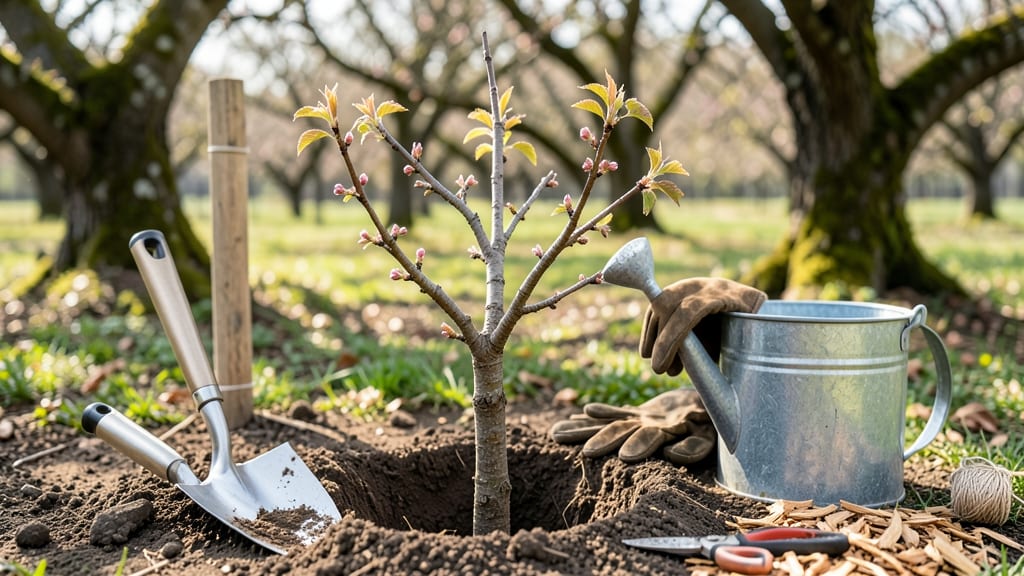
Timing your fruit tree planting in Washington State could mean the difference between a thriving orchard and a sad, frost-bitten sapling. The Pacific Northwest’s unpredictable climate demands precision—whether you're in the rainy West or the drier East, getting those roots established at the right moment is key.
I’ve watched countless gardeners miss the window, only to see their young trees struggle through winter. But here’s the good news: with the right USDA zone deadlines, you can avoid common mistakes and set your fruit trees up for strong root growth that lasts decades.
Let’s break down exactly when to plant in your specific corner of the state.
From bare-root saplings in late winter to container-grown trees in early spring, Washington’s diverse regions have unique timelines. Whether you’re growing apples in Zone 7 or cherries in Zone 5, knowing when to dig in the soil will save you headaches—and maybe even your investment. Ready to plant with confidence?
We’ll cover everything from frost dates to soil prep, so you can plant at the perfect moment for your fruit trees to flourish. No more guessing—just science-backed timing tailored to Washington’s climate quirks.
Washington State USDA zones: exact planting windows by region
Washington State spans USDA Zones 5 through 8, creating dramatic differences in frost dates and planting windows. In Zone 5 (eastern regions like Spokane), your last spring frost typically arrives by May 15, while Zone 8 (western coastal areas like Olympia) enjoys frost-free soil by March 15.
These timelines determine whether your apple, cherry, or peach sapling has enough time to establish roots before winter.
For bare-root trees (most common in Washington), the ideal window is late winter to early spring—specifically, November through March—when trees are still dormant but soil is workable.
This timing aligns with Washington’s rainy winter, which keeps soil moist for root development. However, container-grown trees offer flexibility, allowing planting until late spring (May) in cooler zones.
Here’s the key: Plant apple and pear trees in Zone 5-6 by April 15 to avoid late frosts damaging blossoms. Stone fruits like cherries and peaches, which bloom earlier, need to be in the ground by March 15 in these zones.
In Zone 7-8, you’ve got until May 1 for most varieties, but late-blooming varieties (like Granny Smith apples) can wait until April 15.
Soil temperature is your secret weapon. Aim for 40°F (4°C) or warmer—this threshold signals root activity. In eastern Washington, soil hits this mark by mid-April, while western Washington reaches it by early March. Use a soil thermometer to confirm before planting.
Washington’s Pacific Northwest climate adds complexity: coastal fog can delay spring warming, while inland valleys (like Yakima) may experience sudden frost drops. Always check your local Cooperative Extension Service for microclimate adjustments.
For example, Mount Vernon (Zone 7) might need trees in by March 20, while Pullman (Zone 6) can wait until April 10.
Pro tip: Dormant bare-root trees (sold without leaves) are hardier and can handle Washington’s wet winters better than potted trees. But if you’re planting in Zone 8, consider early spring (February-March) to avoid summer heat stress during establishment.
🌱 Washington State Fruit Tree Planting Windows by USDA Zone
| Zone | Region Examples | Bare-Root Window | Potted Trees Window | Soil Temp Threshold | Key Varieties |
|---|---|---|---|---|---|
| 5 | Spokane, Wenatchee | Nov 15 – Mar 15 | Apr 1 – May 1 | 40°F (4°C) | Apples, Pears, Cherries |
| 6 | Pullman, Moses Lake | Nov 1 – Mar 31 | Mar 20 – Apr 30 | 40°F (4°C) | Apples, Peaches, Plums |
| 7 | Mount Vernon, Bellingham | Dec 15 – Apr 15 | Feb 15 – May 1 | 45°F (7°C) | Cherries, Pears, Figs |
| 8 | Olympia, Vancouver | Jan 1 – Apr 30 | Feb 1 – Jun 1 | 50°F (10°C) | Peaches, Nectarines, Persimmons |
Note: Adjust dates 1-2 weeks earlier for sheltered microclimates (e.g., south-facing slopes).
Washington’s variable rainfall also plays a role. In Zone 5-6, planting in late winter (February) ensures roots establish before spring rains saturate the soil. Meanwhile, Zone 7-8 gardeners can plant as late as May because summer droughts are the bigger concern.
Always amend clay-heavy soils (common in eastern WA) with compost or sand to improve drainage.
For stone fruits like peaches and plums, timing
Bare-root vs. potted fruit trees: which planting method works best in Washington’s climate?
Washington’s cool, wet winters and variable rainfall make choosing the right planting method critical for fruit tree success. Bare-root trees are the traditional choice, but potted trees offer flexibility—especially for urban gardeners. I’ve planted both in my own orchard, and the difference in survival rates is dramatic when timed correctly.
The key factor? Soil temperature and root establishment timing. Bare-root trees thrive when planted in late winter or early spring (February–March for most of WA), while potted trees can handle spring or early fall planting. Let’s break down which method suits your Washington climate zone best.
🌱
✅ Pros
- Cheaper upfront cost
- Hardier roots for WA’s wet winters
- Larger root system establishes faster
- Better for Zone 5-6 (eastern WA)
❌ Cons
- Limited planting window (Feb-Mar)
- Requires quick planting after purchase
- Less flexible for urban spaces
✅ Pros
- Longer planting window (spring/fall)
- Easier to transport and plant
- Better for containers and small spaces
- Good for Zones 7-8 (western WA)
❌ Cons
- Higher initial cost
- Root-bound risk if left too long
- Less cold-hardy than bare-root
- Requires careful watering post-planting
For eastern Washington’s colder zones (5-6), bare-root trees are your best bet—they handle dormancy better and establish roots before spring thaw. I’ve seen apple and cherry trees planted in February in Spokane thrive where potted trees struggled.
Meanwhile, western WA’s milder zones (7-8) benefit from potted trees, which can be planted as late as April or early October.
Washington’s variable rainfall also plays a role. Bare-root trees planted in wet winters need well-draining soil to avoid root rot, while potted trees require consistent moisture during their first summer. I always mulch heavily around both types to retain moisture and regulate soil temperature.
If you’re unsure which to choose, consider your local nursery’s recommendations—they’ll know which varieties perform best in your microclimate. For example, ‘Rainier’ cherries do well as bare-root in Yakima, while ‘Fuji’ apples thrive as potted trees in Bellingham. Timing and variety matter just as much as the planting method!
🌿