
Companion Plants
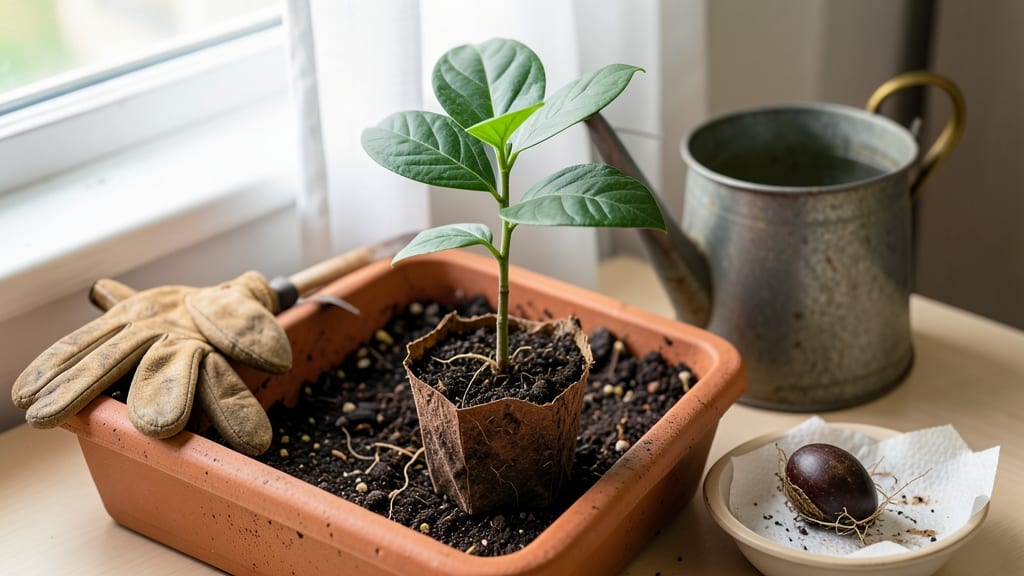
Planting your avocado seed in dirt at the wrong time could mean the difference between a thriving 🥑 tree and a sad, moldy mess. The best window for transplanting depends on your climate—too early, and cold soil stunts roots; too late, and you miss the ideal sprouting conditions.
For most gardeners in Zone 6a and warmer, late spring to early summer is your golden ticket. This aligns with when soil warms up naturally, giving your seed the warmth it craves to develop strong roots.
But if you're growing indoors, timing shifts slightly—focus instead on when your seedling shows 3-4 inch roots and a sturdy stem.
I’ve learned the hard way that rushing the process leads to soggy, rotting seeds. The key is patience—wait until your seed has a healthy root system and the soil is consistently above 60°F. This ensures your little avocado isn’t shocked by temperature swings or waterlogged conditions.
Ready to avoid common pitfalls? I’ll walk you through exactly how to tell when your seed is ready, the best soil mix to use, and step-by-step transplanting tricks that’ll set your avocado up for success. Let’s get those roots growing!
The ideal temperature and soil conditions for planting avocado seeds
Avocado seeds thrive when transplanted into soil at the right temperature and moisture balance. Unlike many seeds, they’re sensitive to cold shock, so timing matters. Aim for warm soil—at least 65°F (18°C)—to encourage root growth without rot.
This typically aligns with late spring to early summer in most climates, after the last frost date.
Indoor starters (like your water-glass sprouted seed) can transition to soil earlier, but outdoor planting should wait until soil warmth stabilizes. Use a soil thermometer to confirm readiness—if it’s cooler, delay planting to avoid stunted roots. Avocados hate soggy soil, so well-draining mixes are non-negotiable.
Here’s the science: Avocado roots need oxygen-rich soil to grow. Compacted or waterlogged dirt suffocates them, leading to rot. Test your soil’s drainage by filling a jar with soil and water—if water pools after 30 minutes, amend with perlite or sand.
A slightly acidic pH (6.0–7.0) also helps, but avocados are forgiving.
| Condition | Specification | Why It Matters |
|---|---|---|
| Soil Temperature | 65°F (18°C) or warmer | Encourages root growth; below 60°F (15°C) stunts development. |
| Moisture Level | Consistently moist but not soggy | Prevents rot; avocado roots need oxygen. |
| Drainage | Fast-draining (amend with perlite/sand) | Avoids waterlogged roots; critical for survival. |
| pH Level | 6.0–7.0 (slightly acidic to neutral) | Optimal for nutrient uptake; avocados tolerate slight variations. |
| Sunlight | Full sun (6+ hours daily) | Boosts photosynthesis; young trees need light for root strength. |
Climate plays a huge role in timing. In USDA Zone 10 or warmer, you can plant year-round, but Zones 7–9 should wait until after May 15 to avoid nighttime chills. If you’re in a cooler zone, start seeds indoors in March and transplant outdoors in June for best results.
Pro tip: If your seedling has roots 2–3 inches long but soil is still cold, pot it in a black container. Dark pots absorb heat faster, warming the roots and giving them a head start. This trick works wonders in spring transitions when days warm but nights stay cool.
Overwatering is the #1 killer of young avocado seedlings. After transplanting, let the top 1–2 inches of soil dry between waterings. Stick your finger in—if it’s damp past your first knuckle, wait.
Mulch with wood chips to retain moisture without suffocating roots. Think of mulch as a root blanket that keeps soil temps stable.
One more critical factor: humidity. Avocados love it, but high humidity + poor airflow = fungal diseases. If your climate is dry (like Zone 8+), mist leaves lightly in the morning to mimic tropical conditions. Avoid evening watering—wet foliage overnight invites pests like spider mites.
Finally, avoid transplanting during heatwaves. If temps exceed 90°F (32°C), roots can scorch. Choose an overcast day or plant in the early morning to reduce stress. Your seedling’s first week in soil is make-or-break—prioritize gentle care over enthusiasm.
Remember: Patience pays off. A well-timed transplant sets your avocado seedling up for years of growth. Skip the rush—wait for the perfect conditions, and you’ll reward yourself with a thriving tree. 🌱🌿🥑
The ideal temperature and soil conditions for planting avocado seeds
Avocado seeds thrive when transplanted into dirt during warm soil conditions—typically between 70°F and 85°F (21°C–29°C). This temperature range mimics their native tropical climates and prevents root shock or fungal rot.
If your region experiences cooler nights, wait until after the last frost date (usually late spring or early summer) to ensure consistent warmth.
Soil temperature is just as critical as air temperature. Use a soil thermometer to confirm your garden bed or pot soil is above 65°F (18°C) before planting. Cold soil slows root development and can cause your seedling to stunt or yellow.
In cooler climates, consider using a heated propagation mat or planting in a greenhouse to maintain ideal conditions.
Your avocado seedling needs well-draining soil with a slightly acidic to neutral pH (6.0–7.0). A mix of 50% potting soil, 30% perlite, and 20% compost creates the perfect balance of aeration and nutrients. Avoid heavy clay soils, which retain too much moisture and suffocate roots.
Moisture balance is key—overwatering is the #1 killer of young avocado seedlings. After transplanting, water lightly but frequently (every 2–3 days) to keep the soil moist but not soggy.
Stick your finger 1 inch deep into the soil; if it’s dry, it’s time to water. Once established, reduce to weekly deep waterings to encourage strong root growth.
| Factor | Ideal Specification | Why It Matters |
|---|---|---|
| Soil Temperature | 70°F–85°F (21°C–29°C) | Prevents root shock and fungal growth |
| Soil Type | Well-draining mix (50% potting soil, 30% perlite, 20% compost) | Avoids waterlogging and root rot |
| pH Level | 6.0–7.0 (slightly acidic to neutral) | Optimizes nutrient uptake for young roots |
| Watering Frequency | Every 2–3 days (keep soil moist) | Balances hydration without drowning roots |
| Best Planting Window | Late spring to early summer (after last frost) | Aligns with natural growth cycles and warmth |
If you’re in a cooler climate (USDA Zones 6–8), extend your seedling’s time in water or a seed-starting tray until soil temperatures rise naturally.
For tropical or subtropical zones (Zones 9–11), you can plant year-round, but spring to early summer still offers the best balance of warmth and rainfall for germination.
Pro tip: Place your pot or garden bed in a south-facing location to maximize sunlight exposure. Avocado seedlings need 6+ hours of direct sunlight daily to thrive. If growing indoors, position near a south-facing window or supplement with a grow light for 12–14 hours per day.