
Plants
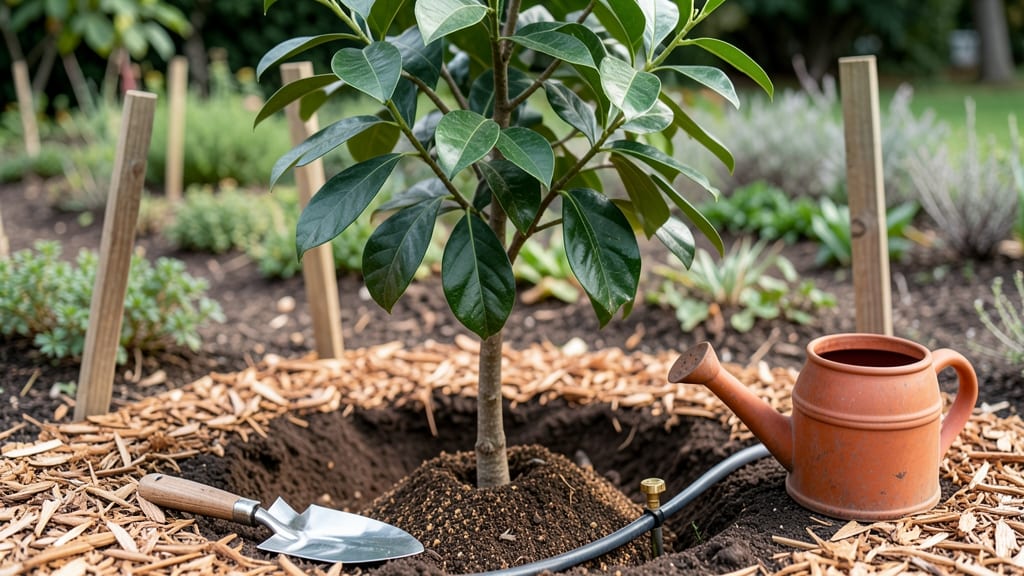
If you’ve ever dreamed of planting an avocado tree in Florida, timing is everything—and getting it wrong could mean years of frustration.
The best time to plant an avocado tree in Florida isn’t just about seasons; it’s about tapping into the state’s unique microclimates to give your tree a fast start toward fruiting.
Florida’s frost-free zones (9a-11) mean you can plant year-round, but late winter to early spring unlocks the sweet spot for root establishment before summer’s heat.
Whether you’re in the humid south or the slightly cooler north, knowing the exact months to act makes all the difference—especially when hurricanes or sudden rain can derail a young sapling.
In this guide, I’ll break down the ideal planting windows for your region, plus pro tips to prep soil, protect roots, and avoid common pitfalls. Skip the guesswork and learn how to turn your Florida backyard into an avocado oasis faster than you’d expect.
Ready to plant? Let’s dig into the months that set your 🥑 tree up for success—no matter where you are in the Sunshine State.
Florida’s 3 microclimates & best planting months for avocado trees
Florida’s climate might seem uniform, but three distinct microclimates—North, Central, and South—dictate the best times to plant avocado trees. Each zone offers unique temperature ranges, humidity levels, and growing conditions that directly impact your tree’s survival and fruit production.
Since Florida is frost-free year-round, you can technically plant avocado trees anytime. However, timing your planting to align with each region’s natural cycles ensures faster root establishment and reduced stress during Florida’s intense summer heat or hurricane season.
For North Florida (USDA Zones 8a–9a), the optimal planting window is January through early March. This gives young trees time to establish roots before the region’s occasional cool snaps (though rare) and the brutal summer humidity.
In Central Florida (USDA Zones 9b–10a), you’ll have flexibility from December through April. The cooler winter months provide ideal conditions for root growth, while avoiding the peak hurricane season that starts in June.
For South Florida (USDA Zones 10b–11), planting is possible year-round, but late winter to early spring (January–March) still offers the best balance of mild temperatures and lower humidity, reducing fungal risks.
| Microclimate | Best Planting Months | Key Considerations | Avoid Planting |
|---|---|---|---|
| North Florida | January–March | Cool temps, lower humidity, hurricane-free | May–October (hurricane risk) |
| Central Florida | December–April | Mild winters, lower fungal pressure | June–September (peak heat/humidity) |
| South Florida | Year-round (best Jan–Mar) | Consistent warmth, minimal seasonal shifts | None (but avoid hurricane season) |
In all regions, avoid planting during Florida’s hurricane season (June–November). Young avocado trees have shallow roots and struggle to recover from storm damage, windthrow, or waterlogged soil.
For fastest growth, prioritize planting in late winter when soil temperatures are ideal (above 60°F) and humidity is lower. This timing also aligns with Florida’s natural rainy season in summer, which supports root development.
Pro tip: If you’re planting in South Florida’s coastal areas, choose elevated sites to prevent salt spray damage during storms. Even though avocado trees tolerate humidity, salt exposure can stunt growth or cause leaf burn.
Remember, container-grown avocados can be planted anytime, but they’ll benefit most from the same seasonal timing to establish roots before Florida’s summer heat ramps up.
How to choose the perfect planting spot for fast avocado growth in Florida
Selecting the right spot for your avocado tree in Florida isn’t just about sunlight—it’s about creating an environment where roots thrive and fruit production accelerates.
Since Florida’s climate varies dramatically from North to South, I’ll break down the top factors to prioritize, including sunlight exposure, wind protection, and soil conditions that make all the difference.
First, avocados demand full sun (6+ hours daily), but Florida’s intense summer heat means you’ll need to balance morning sun with afternoon shade in Central Florida.
In South Florida’s tropical zones, full sun year-round is ideal, while North Florida’s milder winters benefit from slightly more shade to prevent cold stress on young trees.
Here’s the ranked