
Plants
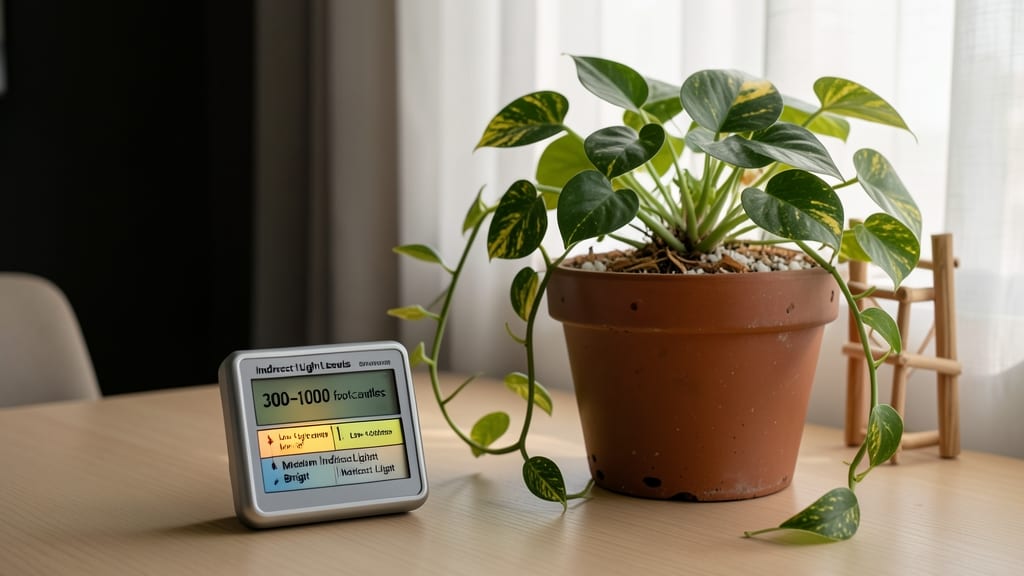
If you’re wondering how much light does a pothos plant need, you’re probably dealing with droopy leaves or stretched-out vines—and you’re not alone. The good news? This hardy plant thrives in conditions most houseplants would reject, but getting the balance right makes all the difference.
Understanding how much light a pothos needs isn’t just about avoiding brown spots or leggy growth—it’s about unlocking vibrant, healthy foliage that keeps growing year-round. Whether you’re working with a dim corner or a sunlit room, small tweaks can transform your plant’s appearance and vitality.
I’ll break down the exact light spectrum your pothos craves, from bright indirect sunlight to low-light survival tips, so you can spot the signs of over- or under-exposure before they become problems. Let’s get your plant back to its best in no time!
From window placement hacks to grow light solutions, you’ll learn how to create the perfect environment—even if your home doesn’t have ideal natural light. Ready to give your pothos the care it deserves?


Pothos light requirements: the ideal spectrum for healthy growth
A pothos plant (Epipremnum aureum) thrives in conditions most houseplants would find too dim, making it a favorite for low-light spaces. But "low light" doesn’t mean "no light"—your pothos needs bright indirect sunlight to maintain its signature variegated leaves and vigorous growth.
Without the right balance, you’ll see pale leaves, leggy stems, or even brown tips. Let’s break down the light spectrum your pothos craves and how to spot when it’s not getting enough.
Think of your pothos’s light needs as a spectrum, ranging from low light (barely enough to survive) to bright indirect light (ideal for vibrant growth). Direct sunlight, on the other hand, can scorch those delicate leaves faster than you’d expect.
The key is mimicking the dappled light of a forest understory, where pothos naturally grows. This means placing your plant near a window but not in the harsh midday sun.
Here’s the light requirement breakdown for a thriving pothos, from survival mode to peak performance:
| Light Level | Description | Leaf Color | Growth Rate | Signs of Stress |
|---|---|---|---|---|
| Low Light (<2,000 lux) | Dim corners, far from windows | Pale green, loses variegation | Slow, leggy stems | Yellowing leaves, sparse growth |
| Medium Light (2,000–5,000 lux) | 2–3 ft from east/west windows | Healthy green with variegation | Moderate, balanced | None (ideal range) |
| Bright Indirect (5,000–10,000 lux) | 1–2 ft from north window or filtered sun | Deep green with vibrant yellow/white variegation | Fast, bushy growth | None (peak health) |
| Direct Sunlight (>10,000 lux) | South/west windows, no filter | Brown/bleached patches | Stunted, crispy edges | Burnt leaf tips, wilting |
Your pothos’s ideal light falls in the medium to bright indirect range, where it gets enough energy for photosynthesis without risking leaf burn. This is why a north-facing window is often the gold standard—it provides consistent, gentle light without the intensity of southern exposure.
If your home lacks natural light, don’t worry; we’ll cover grow light solutions in the next section to keep your pothos thriving.
Notice how the leaf color changes with light levels? In low light, the variegated patterns fade because the plant prioritizes survival over pigment production. Conversely, too much direct sun causes chlorosis (yellowing between veins) or crispy brown edges.
The goal is to find that sweet spot where your pothos’s leaves stay lush, green, and variegated year-round.
Pro tip: Rotate your pothos quarter-turn weekly to ensure even light exposure on all sides. This prevents one side from growing toward the light while the other stays weak—a common issue called etiolation.
A slow rotation keeps your plant compact and symmetrical, which is especially important if you’re growing it as a trailing vine or bushy specimen.
If you’re unsure about your home’s light levels, try this quick test: Hold your phone near your pothos and use a lux meter app (like Light Meter or Lux Light Meter).
Aim for readings between 5,000–10,000 lux during daylight hours. If you’re consistently below 2,000 lux, it’s time to adjust your setup—whether that means moving
How to adjust your home’s lighting for a thriving pothos
Your pothos plant might be getting the right type of light but not the right amount—and that’s where many gardeners stumble. The key is balancing natural sunlight with artificial supplements to mimic its native tropical environment.
Start by evaluating your home’s light sources: north-facing windows provide the gentlest, most consistent light, while south-facing windows can deliver too much intensity without proper filtering.
If your pothos is near a window but still looks weak, try rotating the pot quarter-turns every 2 weeks. This ensures even growth and prevents the plant from leaning toward one light source.
For rooms with no natural light, fluorescent or LED grow lights (12-14 hours daily) can bridge the gap—just keep them 6-12 inches above the leaves to avoid scorching.
💡 Numbered Highlights: Optimizing Pothos Light
- North-facing windows: Best for bright indirect light (2-4 hours daily).
- East/west windows: Use sheer curtains to diffuse harsh afternoon rays.
- South-facing windows: Place 3-5 feet away to avoid leaf burn.
- Grow lights: 12-14 hours/day (LED or fluorescent) for low-light rooms.
- Rotate plant: Every 2 weeks for even growth.
- Seasonal shift: Move closer to windows in winter for extra light.
For low-light conditions, supplement with a full-spectrum LED bulb (6500K color temperature). Position it 12 inches above the plant and run it for 10-12 hours daily. Avoid incandescent bulbs—they emit too much heat and can damage leaves.
If your pothos starts stretching toward the light (a sign of etiolation), it’s time to adjust: either move it closer to a brighter window or increase artificial light exposure.
Don’t overlook seasonal adjustments—winter’s shorter daylight hours can stress your pothos. If natural light drops below 2 hours daily, extend with a timer-controlled grow light to maintain consistency.
Pro tip: Place your pothos on a dresser or shelf near a window to maximize vertical space without sacrificing light access.
If you’re still unsure about your home’s lighting, conduct a simple light audit: Observe your pothos for 2 weeks and note changes in leaf color, growth rate, or stretching. Adjust based on these clues—your plant will thank you with lush, vibrant foliage in no time!
Remember, pothos are adaptable, but they thrive best when you anticipate their needs before problems arise. A little tweaking now can save you from struggling with a leggy, stressed plant later.