
Flowers
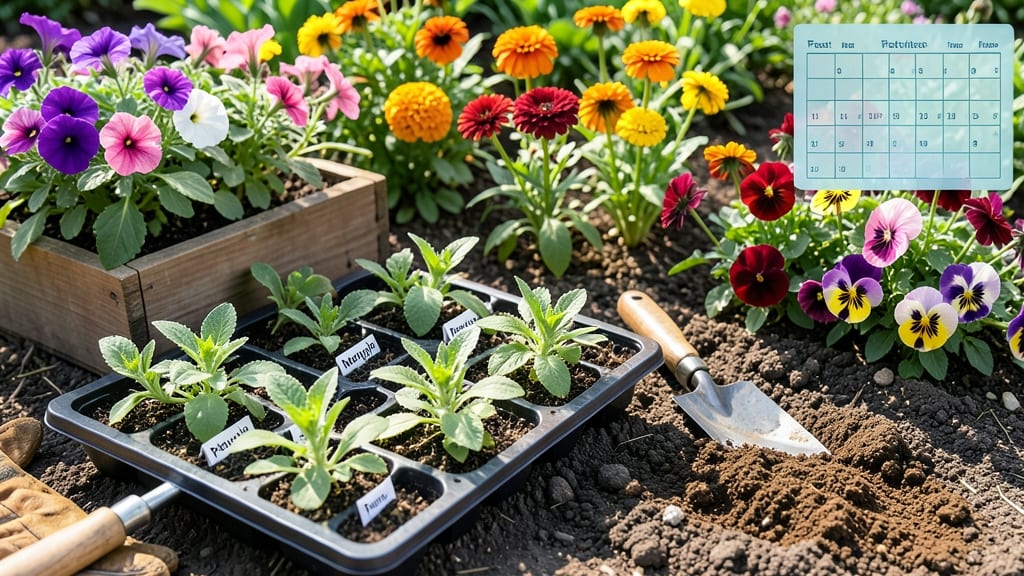
Knowing when to plant flowers in Michigan can mean the difference between a showstopping garden and a sad, frost-nibbled disappointment. Michigan’s 5b-6b climate gives you two prime windows—spring and fall—but timing is everything.
Spring planting starts as early as mid-April for hardy varieties like pansies and tulips, but most gardeners wait until mid-May to avoid surprise frosts. Fall offers a second chance, with late August to early October ideal for bulbs and perennials that need time to establish roots before winter.
In this guide, I’ll break down the exact planting deadlines for your USDA zone, plus pro tips to extend your blooming season. Whether you’re a Detroit gardener or in Traverse City, you’ll learn how to beat Michigan’s unpredictable weather and keep your 🌸 flowers thriving all season long.
Ready to turn your garden into a year-round paradise? Let’s get started with the science—and secrets—behind perfect planting timing.
Michigan’s frost-free dates by region: USDA Zone 5b vs 6a planting windows
Michigan’s USDA Zone 5b and 6a regions experience last frost dates that vary by 1-2 weeks, creating critical differences for flower planting.
In Zone 5b (northern areas like Traverse City), the average last frost date is May 10-15, while Zone 6a (southern areas like Detroit) typically sees frost-free conditions by April 25-May 5. These dates determine whether your tulips or petunias survive Michigan’s infamous "April snow."
For safe planting, use the 10-day rule: Wait until 10 days after your region’s average last frost date. This accounts for late frosts, which can still hit in May—especially in Zone 5b.
For example, if your last frost is May 10, plant annual flowers like marigolds or geraniums by May 20 to avoid damage. Perennials, like coneflowers, can handle cooler soil and may be planted 2-3 weeks earlier.
Here’s how microclimates affect your garden: Urban areas (e.g., Detroit) warm up faster due to heat islands, while rural or lakeside spots (e.g., Muskegon) stay cooler longer.
Elevation also plays a role—higher areas (like Northern Michigan) freeze later. Use local weather stations or Michigan State University Extension maps to pinpoint your exact frost-free window.
🌱
🌡️ Michigan Frost-Free Planting Guide
| Region | USDA Zone | Avg. Last Frost | Safe Planting Window | Early Bloomers (Cold-Hardy) | Late Bloomers (Heat-Loving) |
|---|---|---|---|---|---|
| Northern Michigan (Traverse City) | 5b | May 10-15 | May 20-June 10 | Pansies, Snapdragons, Tulips | Petunias, Marigolds, Zinnias |
| Southeast Michigan (Detroit) | 6a | April 25-May 5 | May 5-May 25 | Daffodils, Bleeding Hearts, Sweet Alyssum | Geraniums, Impatiens, Sunflowers |
| Western Michigan (Grand Rapids) | 5b-6a | May 1-10 | May 10-May 25 | Crocuses, Lungwort, Violas | Coleus, Vinca, Celosia |
💡 Pro Tip: For Zone 5b, start hardy annuals indoors by March 15 to transplant outdoors after frost.
To extend your blooming season, consider fall planting for cool-season flowers.
In Michigan, aim to plant 6-8 weeks before your first frost (typically October 15 in Zone 6a and October 1 in Zone 5b). Pansies, stock, and calendula thrive in cooler fall temperatures and often bloom until Christmas with proper care.
For bulbs like tulips, plant in fall (October-November) to establish roots before winter. These perennials need chilling time to bloom in spring.
In Zone 6a, tulip bulbs can go in the ground as early as September 15, while Zone 5b gardeners should wait until October 1 to avoid soil heaving from freeze-thaw cycles.
If you’re unsure about your local frost dates, check the Michigan State University Extension’s Frost-Free Date Calculator or use Almanac.com for historical data. These tools account for 30-year averages and help you plan with confidence.
Remember, soil temperature matters just as much as air temperature—wait until the soil reaches 60°F (about 15°C) for most annual flowers.
🌿
For container gardening, you can push planting dates 2-3 weeks earlier because pots warm up faster than garden beds. Place containers in sunny, sheltered spots (like near a south-facing wall) to protect them from late frosts.
If a frost warning appears in your forecast, cover delicate plants with frost cloth or row covers for extra protection.
Finally, keep a planting journal to track your local frost dates over the years. Michigan’s climate shifts with La Niña or El Niño patterns, so your personal records will become invaluable. By adjusting your timeline each year, you’ll master the art of timing your Michigan flower
How to extend your flower season: cold-hardy annuals vs perennials for early planting
Michigan’s cool springs can feel like a race against time—some flowers like tulips and daffodils need early planting, while petunias and marigolds prefer warmer soil. The key is choosing cold-hardy varieties that thrive in USDA Zone 5b-6a temperatures as low as 25°F.
These picks let you plant 2-4 weeks earlier than traditional flowers without frost risk.
For annuals, focus on varieties like pansies and snapdragons, which handle light frosts and even bloom in 40°F+ soil. Perennials like bleeding hearts and peony roots can be planted in fall or early spring when soil temps are 40-50°F.
The secret? Soil temperature matters more than air temperature—use a soil thermometer to confirm readiness.
Cold-Hardy Annuals for Early Planting
- Pansies – Tolerates 28°F; blooms in 40°F+ soil
- Snapdragons – Thrives in 45°F+ soil; biennial option
- Sweet Alyssum – Handles 25°F; attracts pollinators early
- Calendula – Germinates in 50°F+ soil; edible petals
Perennials for Fall or Early Spring Planting
- Peony – Plant corms in fall or early spring; 60°F+ soil
- Bleeding Heart – Hardy to 20°F; prefers partial shade
- Coneflower – Tolerates 30°F; drought-resistant
- Russian Sage – Thrives in USDA Zone 4; drought-tolerant
Pro Tip for Borderline Dates
Use the 10-day rule: If your last frost date is April 15, plant cold-hardy annuals by April 5 to give them time to establish roots before potential late frosts.
Don’t overlook bulbs like tulips and hyacinths, which can be planted in fall (October-November) for spring blooms. These store energy over winter and emerge early, giving you 3-4 weeks of color before annuals take over.
For a continuous bloom strategy, layer bulbs with early annuals like violas and stock.
For container gardening, opt for cold-hardy petunias or geraniums, which can be moved to protected spots (like near south-facing walls) if frost threatens. Group containers together to retain heat and use black plastic mulch to warm soil 5-10°F faster in spring.
Always check Michigan State University Extension for localized frost alerts—their Michigan Garden Hotline (1-888-MIGARDN) offers real-time updates. Pairing cold-hardy annuals with perennial roots lets you push your season 4-6 weeks earlier without risking frost damage.
Test your soil’s readiness with a finger check: If it crumbles easily at 60°F+, it’s safe for planting. For high-risk areas, use row covers to protect young plants until May 1, when frost risk drops significantly.