
Plants
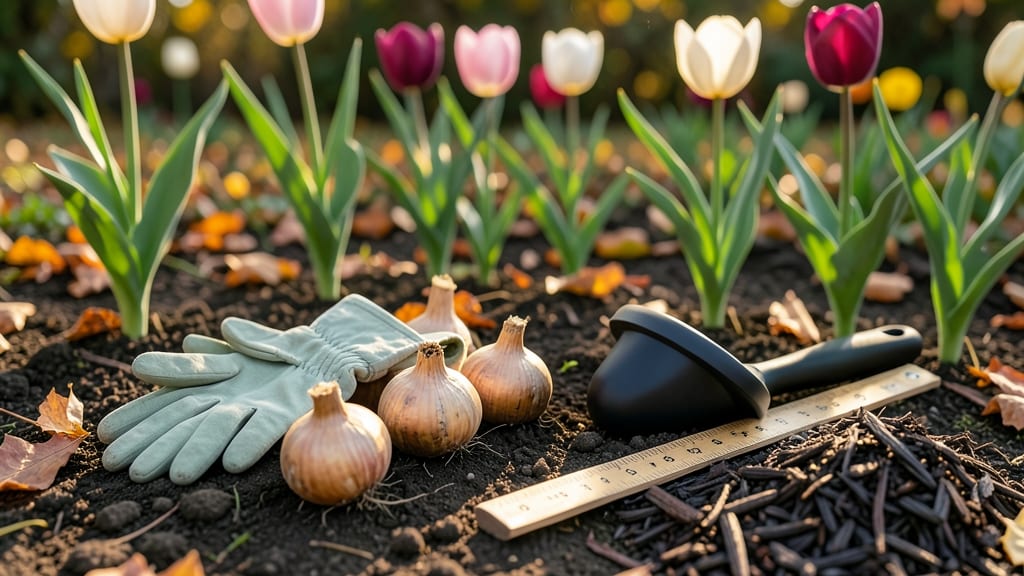
If you’ve ever wondered when to plant tulip bulbs in North Carolina, timing is the secret to those showstopping spring blooms—especially in Zones 7a and 7b. The key?
Fall planting, when soil temps drop but before the ground freezes solid. Miss this window, and you might end up with weak stems or no flowers at all.
North Carolina’s climate varies wildly from the mountains to the coast, but most gardeners in USDA Zones 6a-8a should aim for October through December. That’s your sweet spot: bulbs need 4-6 weeks to root before winter sets in.
Too early, and they’ll rot; too late, and they’ll sleep through spring.
Here’s the game-changer: soil prep matters just as much as timing. Loosen the earth, mix in compost, and plant those 🌷 bulbs 6-8 inches deep—that’s the ticket to strong roots and vibrant blooms next April. Let’s break down the exact steps to get it right.
Whether you’re a first-time planter or a seasoned gardener, these tips will help you avoid common mistakes and ensure your tulips thrive. Ready to dig in?
Best planting months for tulip bulbs in North Carolina by Zone (7a vs 7b)
North Carolina’s USDA Zones 7a and 7b offer perfect conditions for tulip bulbs, but timing is critical to avoid winter frost damage. In Zone 7a, where first frosts arrive by November 15, aim to plant bulbs between mid-October and early December.
For Zone 7b, with later frosts around November 30, you have a slightly extended window until mid-December.
Tulips need 6-8 weeks of cold stratification before spring blooming. Planting too early (before October 15) risks rot, while waiting too long (after December 15) may leave bulbs vulnerable to winter heaving. Soil temperatures should drop below 60°F but not freeze yet for ideal planting.
Here’s a quick guide to avoid common mistakes: Zone 7a gardeners should prioritize October planting for early blooms, while Zone 7b can stretch into November. Always check your local frost dates—mountain regions (like Asheville) may need earlier planting than coastal areas (like Wilmington).
| Zone | Ideal Planting Window | Soil Temp for Planting | Frost Risk | Bloom Time |
|---|---|---|---|---|
| 7a | Mid-October to Early December | Below 60°F | High (Nov 15) | Early April |
| 7b | October to Mid-December | Below 60°F | Moderate (Nov 30) | Late April |
For Zone 7a, early October planting ensures bulbs establish roots before winter. In Zone 7b, you can wait until November for later blooms. Always plant bulbs 6-8 inches deep—deeper in sandy soils, shallower in clay—to protect them from freeze-thaw cycles.
Use a bulb planter or trowel to create holes and space bulbs 4-6 inches apart.
North Carolina’s microclimates play a role too. Mountain regions (like Boone) may need earlier planting (by October 1) due to colder winters, while coastal areas (like Morehead City) can plant until December 15.
Check your local Almanac frost dates for precision—this small adjustment can mean the difference between vibrant blooms and missed flowers.
If you miss the fall window, don’t panic! You can plant tulip bulbs in January for a late spring bloom, though results may be less reliable. The key is ensuring bulbs get 6 weeks of cold before spring growth.
For container gardening, use well-draining pots and plant bulbs at the same depth as in-ground.
Pro tip: Mark your planting spots with stakes or flags to avoid disturbing bulbs in spring. Tulips are perennial in North Carolina, so they’ll return year after year if cared for properly.
Just remember—no fertilizer in fall! Wait until early spring (March) to feed them for next year’s blooms.
For container growers, choose dwarf tulip varieties like ‘Tiny Star’ or ‘Queen of Night’ (12-18 inches tall). These thrive in pots and bloom earlier than standard types. Always use fast-draining mix with perlite or sand to prevent rot during winter rains.
Finally, mulch your tulips with 2-3 inches of straw or shredded leaves after planting. This insulates bulbs from temperature swings and keeps them moist. Remove mulch in early spring (February) to allow foliage to emerge and photosynthesize for next year’s blooms.
Best planting months for tulip bulbs in North Carolina by Zone (7a vs 7b)
North Carolina’s USDA Zones 7a and 7b offer a narrow window for planting tulip bulbs—fall is critical. In Zone 7a, aim for mid-October to early November, while Zone 7b gardeners have until late November. This timing ensures bulbs establish roots before winter frost sets in.
Soil temperatures below 60°F (15°C) signal it’s time to plant. In North Carolina, this typically occurs in October, but cooler mountain regions may shift this to September. Always plant 4-6 weeks before the first frost—around mid-November for Zone 7a and late November for Zone 7b.
🌷 Planting Timeline for North Carolina Tulips
| Zone | Ideal Planting Window | Soil Temp Requirement | Frost Deadline |
|---|---|---|---|
| 7a | Mid-October to Early November | Below 60°F (15°C) | Mid-November |
| 7b | Late October to Late November | Below 60°F (15°C) | Late November |
🌡️ Pro Tip: Use a soil thermometer to confirm temperatures—cooler mountain areas may need earlier planting.
If you miss the fall window, January is a backup—but results may be inconsistent. Plant bulbs 6-8 inches deep and 4-6 inches apart for optimal growth. In Zone 7a, expect tulips to bloom April-May, while Zone 7b blooms may start as early as March.
North Carolina’s coastal areas (like Wilmington) have milder winters, allowing slightly later planting (late November). Meanwhile, mountain regions (e.g., Asheville) should plant by mid-October to avoid early frosts. Always adjust for microclimates—shaded spots may need earlier planting.
For container planting, extend your window slightly—pots warm up faster, so you can plant until early December. Just ensure containers have drainage holes to prevent bulb rot during winter rains. Move containers to a sheltered spot if frost is forecasted.
Remember: Tulips need cold dormancy to bloom. Planting too late (after December) or too early (before September) risks poor flowering. Stick to the fall window for the best results in North Carolina’s climate. 🌷