
Flowers
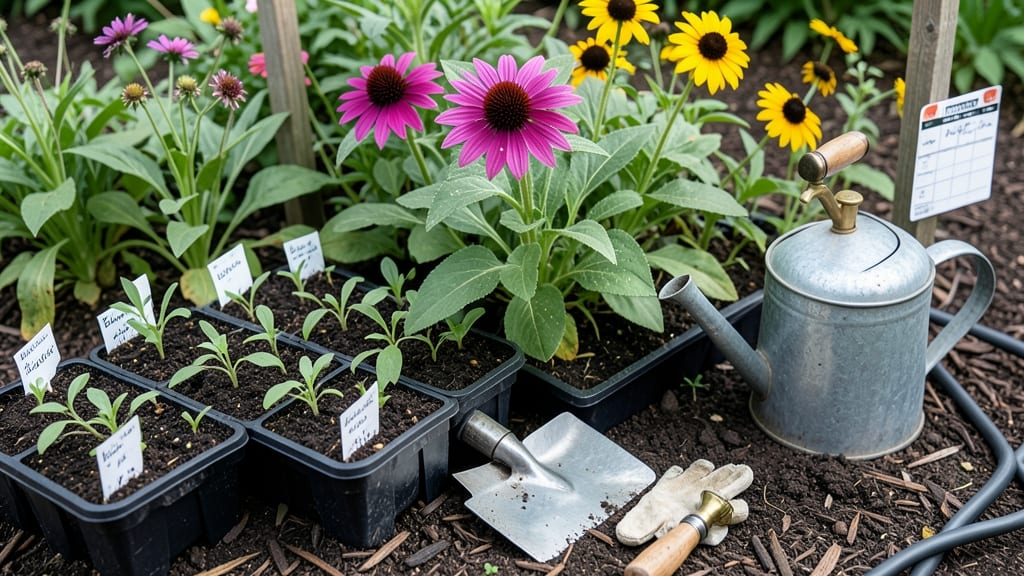
Timing your flower planting in Pittsburgh isn’t just about luck—it’s about knowing when to plant flowers in Pittsburgh to beat those sneaky late frosts and give your 🌸 garden the best shot at success.
With USDA Zone 6a’s unpredictable spring, planting too early can mean wilted petals, while waiting too long might cut your blooms short. The key is understanding Pittsburgh’s frost-free window—typically around April 15—and how to adjust for microclimates that can shift your schedule by weeks.
Whether you’re dreaming of vibrant annuals or hardy perennials, this guide breaks down the exact months to plant, the best varieties for your zone, and how to protect your garden when Mother Nature throws curveballs.
Let’s turn your flowerbeds into a showstopper by mastering the science (and art) of planting on time—no guesswork required.
Pittsburgh’s frost-free timeline: exact dates for planting flowers in Zone 6b
Pittsburgh’s USDA Zone 6b climate means your flower planting success hinges on understanding the last frost dates. According to NOAA data and local gardening records, the average last frost typically falls around April 15, but this can vary by 1-2 weeks depending on microclimates.
For example, areas near the Allegheny River may warm up faster, while higher elevations like Mt. Washington can experience frost well into May.
To avoid frost damage to tender flowers, I recommend waiting until May 1 for most annuals unless you’re using row covers or a greenhouse. Perennials, however, can often handle late spring frosts if planted in early April.
Always check the Penn State Extension or National Weather Service for real-time updates before planting.
Here’s a quick rule of thumb: Cold-hardy flowers like tulips and daffodils can go in the ground as early as March 15, while heat-loving annuals like marigolds should wait until after May 15. The key is balancing soil temperature (ideally 60°F+) with air temperature trends.
Pittsburgh’s microclimates can shift planting windows by 2-3 weeks. For instance, urban heat islands in downtown areas may allow you to plant 2 weeks earlier than in suburban neighborhoods.
If you’re unsure, I recommend the “10-day rule”: Wait until you’ve had 10 consecutive days above 50°F before planting frost-sensitive flowers.
For fall planting, aim for September 1 for bulbs and perennials that bloom in late summer/fall. This gives roots time to establish before the first frost (typically October 15). Mums and aster flowers are excellent choices for extending your season.
Don’t forget to harden off seedlings if you’re starting indoors. Begin 3-4 weeks before your target planting date by gradually exposing them to outdoor conditions. This helps them adapt to Pittsburgh’s wind and temperature swings, reducing transplant shock.
If you’re still nervous about frost, consider container gardening. Pots can be moved to protected spots or indoors during cold snaps. Plus, containers warm up faster in spring sunlight, giving you a head start on the season.
For real-time tracking, bookmark the NOAA Pittsburgh Climate page or set up alerts from the Penn State Ag Weather Network. These tools provide hyperlocal frost predictions that can save your flowers from unexpected late-season freezes.
Remember, the earliest blooms often come from perennials planted in fall. While annuals steal the show in summer, spring bulbs and fall perennials give your garden year-round interest. Plan accordingly!
Best flowers to plant by month in Pittsburgh (with cold-hardiness guide)
Pittsburgh’s USDA Zone 6b climate lets you grow stunning flowers year-round, but timing matters. March through May is prime for cool-season blooms, while June to September thrives with heat-lovers. I’ll break down the best monthly planting schedule for Pittsburgh’s top-performing flowers—ranked by cold tolerance and bloom time.
Start with hardy perennials like coneflowers and black-eyed Susans in early spring. These Zone 6b survivors tolerate light frosts and reward you with months of color. For annuals, wait until after the average last frost date (April 15) to avoid frost damage.
March
Plant cool-season bulbs (tulips, daffodils) and hardy perennials like bleeding heart and lungwort. Soil temps should be 40°F+.
April
After last frost (April 15), plant annuals (petunias, marigolds) and warm-season perennials like bee balm and shasta daisies.
May
Fill gaps with heat-tolerant annuals (zinnias, cosmos) and fall-blooming perennials like Russian sage and sedum.
September
Plant fall-blooming bulbs (crocus, fall daffodils) and cool-season annuals (pansies, snapdragons) for winter color.
For container gardening, start petunias and geraniums indoors in February to extend your bloom time. These heat-loving annuals thrive in Pittsburgh’s hot summers if given 6+ hours of sun.
Pro tip: Use mulch to regulate soil temps. A 3-inch layer of straw or shredded leaves keeps roots cool in summer and insulated in winter—critical for perennial survival.
Don’t forget succession planting! Replace spent spring bulbs with summer annuals like sunflowers or celosia for continuous color. My Pittsburgh garden stays vibrant all season this way!