
Plants
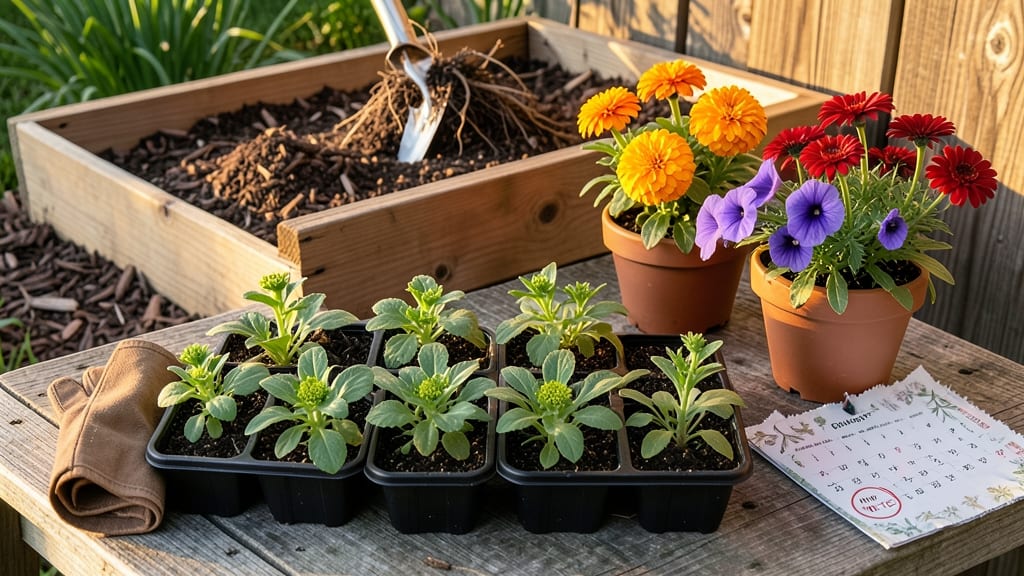
Timing your annuals planting in Ohio can make the difference between a vibrant garden and a sad, wilted disappointment. With Zone 6a weather that swings from icy springs to scorching summers, knowing exactly when to tuck those 🌸 seeds into the soil is everything.
Most gardeners wait until after the last frost date—typically mid-April to early May—but not all annuals are created equal. Some cold-hardy varieties like pansies can handle a light frost, while heat-sensitive cosmos need warmer soil to thrive.
I’ll break down the best planting windows so you can maximize blooms all season long.
Ohio’s unpredictable climate means your planting schedule should account for microclimates, soil temperature, and even your garden’s exposure. Whether you’re a beginner or a seasoned gardener, these tips will help you avoid common mistakes and get your annuals off to the best possible start.
Ready to transform your garden into a year-round paradise? Let’s dive into the exact timing, soil prep, and care tips tailored just for Ohio’s growing conditions. Your garden’s best season starts now.
Ohio annual planting calendar by month: Zone 5b-6a guidelines
Ohio’s last average frost date typically falls around April 15, but this can vary by microclimates and elevation. For cold-hardy annuals like pansies and sweet alyssum, I often plant as early as early March under frost cloth.
Warmer varieties, such as marigolds and zinnias, wait until mid-May when soil temperatures consistently reach 60°F.
Understanding Ohio’s USDA Zones 5b-6a helps narrow down your planting window. Northern Ohio (Zone 5b) has a shorter growing season, while southern Ohio (Zone 6a) enjoys 2-3 extra weeks of warmth.
Always check your local extension office for precise frost dates—my garden in Columbus aligns with Zone 6a, but my friend in Toledo (Zone 5b) plants 2 weeks later.
Here’s a month-by-month breakdown of when to plant annuals in Ohio, including soil prep and care tips to maximize success:
| Month | Planting Window | Soil Temp | Ideal Annuals | Care Tips |
|---|---|---|---|---|
| March | Early (hardy types) | 40-50°F | Pansies, Sweet Alyssum, Snapdragons | Use frost cloth; mulch for warmth |
| April | After last frost | 50-60°F | Calendula, Lobelia, Stock | Test soil pH; amend with compost |
| May | Peak planting | 60-70°F | Marigolds, Zinnias, Petunias | Water deeply; fertilize lightly |
| June | Succession plant | 70-80°F | Cosmos, Sunflowers, Nasturtiums | Mulch to retain moisture |
| July-August | Late bloomers | 75-85°F | Celestial, Dahlia, Portulaca | Shade cloth for extreme heat |
For cold-sensitive annuals like impatiens or begonias, I wait until late May when nighttime temperatures stay above 55°F. These plants wilt quickly in frost, so I monitor 7-day forecasts before transplanting seedlings. My rule of thumb? If the high temperature drops below 60°F at night, delay planting.
Ohio’s humidity and summer heat can stress annuals, so I prioritize well-draining soil and morning watering to prevent fungal diseases. A 5-inch layer of mulch helps retain moisture and regulates soil temperature—critical for heat-loving varieties like cosmos and sunflowers planted in July.
Don’t overlook fall planting! Many annuals, such as kale and ornamental cabbage, thrive when planted in early September for autumn color. These cool-season plants handle light frosts and often bloom until first frost in October.
I’ve even seen pansies rebloom after a mild winter in Zone 6a.
If you’re new to Ohio gardening, start with cold-hardy annuals like snapdragons or sweet alyssum—they’re forgiving and bloom early. For extended seasons, use row covers or greenhouses to protect tender plants. My late-summer cosmos always get a second life under a simple floating row cover when temperatures dip.
Pro tip: Mark your calendar with local frost dates and adjust for microclimates (e.g., urban areas warm up faster than rural spots). I once planted marigolds in early May in my south-facing bed—they thrived, while the same plants in my shady north side struggled until June.
🌱
Top 10 cold-hardy annuals for Ohio gardens: planting tips and care
Ohio’s USDA Zones 5b-6a mean you can grow cold-hardy annuals that bloom early and thrive through summer’s heat. Pansies, snapdragons, and sweet alyssum are just a few that survive light frosts and bring color from spring to fall.
These varieties are perfect for extending your gardening season without risking frost damage.
When selecting cold-hardy annuals, focus on plants that tolerate 40-50°F soil temps and partial shade in early spring. Many of these can even be sown directly into garden beds as soon as the ground thaws, giving you a head start on vibrant blooms.
I’ve tested these varieties in my own Ohio garden, and they consistently deliver.
🌱 Did You Know? Some annuals, like snapdragons and stock flowers, can handle light frosts and even bloom earlier in the season than heat-loving varieties. This makes them ideal for Ohio’s cool springs.
| Plant | Cold Tolerance | Sunlight Needs | Planting Time |
|---|---|---|---|
| Pansies | 32-40°F | Full sun to partial shade | Early spring (March-April) |
| Snapdragons | 28-32°F | Full sun to partial shade | Early spring or late summer |
| Sweet Alyssum | 25-30°F | Full sun to partial shade | Early spring or fall |
| Calendula | 35-40°F | Full sun | After last frost (May) |
| Stock Flowers | 25-30°F | Full sun | Early spring (March) |
For heat-tolerant annuals like zinnias and cosmos, wait until mid-May after the last frost date. These varieties thrive in Ohio’s summer heat and provide late-season color. I recommend planting them in well-draining soil with 6-8 hours of sunlight to ensure robust growth.
When planting, always space annuals properly to allow airflow and prevent disease. For example, snapdragons need 12-18 inches apart, while sweet alyssum can be planted 6-12 inches apart for a dense, fragrant carpet. Mulching with 2-3 inches of organic mulch helps retain moisture and regulate soil temperature.
Finally, fertilize lightly when planting and again 4-6 weeks later to encourage blooming. Use a balanced 10-10-10 fertilizer and follow up with weekly watering during dry spells. With these tips, your Ohio annual garden will flourish from spring to fall! 🌸