
Plants
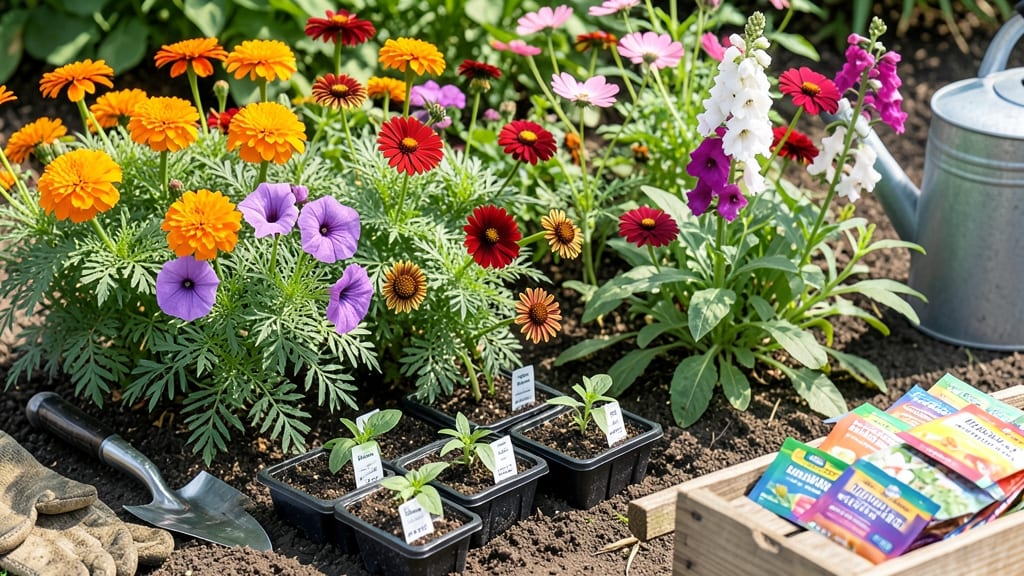
Planting annuals in Chicago at the wrong time can mean the difference between a showstopping summer garden and a sad pile of frost-nipped seedlings.
With USDA Zone 6a weather that swings from icy April winds to scorching July heat, timing is everything for those vibrant 🌸 blooms you're dreaming of. I've learned the hard way—skipping that last frost date check can leave your garden looking more like a science experiment than a summer paradise.
What if I told you there's a simple way to nail those planting windows? Whether you're a seasoned gardener or just starting with your first marigolds, this guide will help you avoid common mistakes and get your annuals thriving exactly when they should.
From the April 15 deadline for frost-sensitive varieties to late-summer replanting tricks, we'll cover everything you need to know to make your Chicago garden the envy of the neighborhood.
Chicago annual planting calendar: exact dates by last frost risk
Chicago’s USDA Zone 5b climate means last frost dates can swing wildly—typically between April 20 and May 10. But don’t let that scare you! With the right timing, you can enjoy vibrant annuals from spring through fall.
The key is knowing your microclimate and choosing frost-tolerant varieties for early planting.
For tender annuals like petunias or impatiens, wait until after May 10 to avoid frost damage. Hardier plants such as pansies or snapdragons can handle light frosts and can be planted as early as late April.
Always check your local weather forecast and soil temperatures—50°F+ is ideal for most seeds and seedlings.
Here’s your Chicago annual planting timeline broken down by frost risk and plant type:
| Planting Window | Last Frost Risk | Best Annuals | Soil Temp Requirement |
|---|---|---|---|
| April 15–20 | High (late frost) | Pansies, Snapdragons, Calendula | 45–50°F |
| April 25–May 5 | Moderate | Marigolds, Zinnias, Sweet Alyssum | 50–55°F |
| May 10–20 | Low (safe) | Petunias, Impatiens, Geraniums | 55–60°F |
| August 1–15 | N/A (fall planting) | Cosmos, Sunflowers, Nasturtiums | 50°F+ |
If you’re starting seeds indoors, begin 6–8 weeks before your target planting date. For example, petunias should start indoors by March 15 to flower by summer. Use grow lights or a sunny windowsill to ensure strong seedlings before transplanting.
For urban gardeners, microclimates can shift planting windows by 1–2 weeks. South-facing walls or rooftop gardens often warm up faster, while shaded areas may need row covers to protect young plants. Always test your soil—cool soil can delay germination, even if air temps are mild.
Don’t forget late summer planting! From August 1–September 1, you can still sow fast-growing annuals like cosmos or bachelor’s buttons for fall color. These thrive in cooler temps and often bloom until first frost.
Pro tip: Use biodegradable pots for seedlings to avoid transplant shock. And if a late frost sneaks in? Cover plants with lightweight frost cloth or old bedsheets—it works like a charm!
🌱
How to adjust planting times for Chicago’s urban heat islands and microclimates
Chicago’s cityscape creates microclimates that can shift planting windows by weeks—especially for rooftop gardens or alleyway plots. Urban heat islands trap warmth, while windy lakefront areas stay cooler. Adjust your planting dates based on your specific location to avoid frost damage or heat stress.
If you garden on a rooftop deck or in a brick-paved courtyard, soil warms faster than suburban backyards. Start heat-loving annuals like lobelia or portulaca 2 weeks earlier (mid-April) since they thrive in warmer soil.
Conversely, lakefront gardens near Lake Michigan stay cooler—delay planting tender annuals like begonias until May 15 to avoid late frosts.
🚨 WARNING: Urban Heat Islands Can Trick You 🚨
Wind exposure also matters. Exposed balconies near high-rises dry out faster—water newly planted annuals daily until roots establish (usually
For suburban gardens, follow the standard May 1–15 window, but monitor your local frost-free days. Use the National Weather Service’s Chicago forecast or a soil thermometer (aim for 50°F+ for most annuals).
If your soil stays cold, opt for cold-hardy annuals like pansies or snapdragons, which tolerate light frosts.
Extend your season with cold frames or cloche covers to plant cool-season annuals (e.g., lettuce, radishes) as early as mid-March. These low-cost tools add 2–4 weeks** of growing time by trapping heat. Just remove them after the last frost to avoid overheating seedlings.
Pro tip: Test your microclimate by planting a trial row of annuals (like basil or marigolds) in early April. If they thrive, you can safely expand planting dates. If they wilt, wait another week—your local conditions may be colder than the average!