
Flowers
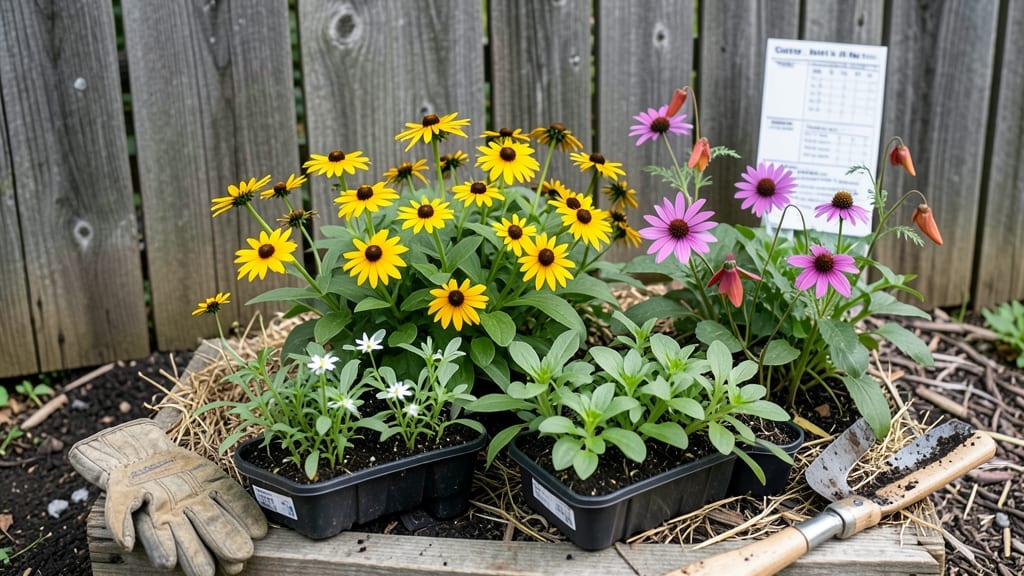
If you’ve ever stared at a seed packet wondering "when can I plant flowers in Michigan"—only to panic when frost sneaks back—you’re not alone.
Michigan’s 5b-6b zones mean the difference between vibrant blooms and a sad, frost-nipped garden, and getting the timing wrong can cost you the entire growing season.
Here’s the good news: with the right window, you can transform your yard into a 🌸 paradise that thrives from spring to fall. Whether you’re planting cool-loving annuals like pansies or heat-seeking petunias, knowing the exact dates (and how to adjust for Michigan’s unpredictable weather) is the key to success.
I’ll break down the perfect planting windows for your zone, plus pro tips to beat frost, extend seasons, and choose flowers that actually survive Michigan’s short but sweet growing season. No more guesswork—just blooms that last.
Let’s get started with the dates you need to mark on your calendar right now.
Michigan flower planting dates by USDA zone (4a-6b)
Michigan’s USDA zones 4a-6b create big differences in planting times—Northern Michigan (zone 4a) has a shorter growing season than Southern Michigan (zone 6b). For example, Traverse City (zone 5b) can plant marigolds by May 1, while Detroit (zone 6a) can start as early as April 15.
Always check your last frost date—most of Michigan sees it between April 15-25, but late frosts can hit until May 10 in colder zones.
Cool-season flowers like pansies and snapdragons thrive when planted 4-6 weeks before last frost (March in zone 6b).
Warm-season favorites—petunias, geraniums, and sunflowers—need to wait until after May 15 to avoid frost damage. Perennials like coneflowers can go in spring or fall, but bulbs (like tulips) need fall planting 6 weeks before frost.
🌱 Michigan Flower Planting Guide by Zone
| Zone | Last Frost (Avg.) | Cool-Season Flowers (Plant) | Warm-Season Flowers (Plant) | Perennials/Bulbs (Plant) |
|---|---|---|---|---|
| 4a (Marquette) | May 10 | March 15–April 1 | May 20–June 1 | Spring (May 15) or Fall (Sept 1) |
| 5a (Grand Rapids) | May 1 | March 1–March 15 | May 10–May 20 | Spring (May 1) or Fall (Sept 15) |
| 5b (Traverse City) | April 25 | February 28–March 15 | May 1–May 15 | Spring (April 20) or Fall (Sept 20) |
| 6a (Detroit) | April 15 | March 1–March 31 | April 20–May 10 | Spring (April 10) or Fall (Sept 25) |
| 6b (Southwest MI) | April 1 | February 28–March 15 | April 15–April 30 | Spring (April 1) or Fall (Oct 1) |
*Adjust dates 1-2 weeks earlier for container-grown plants or microclimates (e.g., urban heat islands).
For container gardening, you can plant 2 weeks earlier since pots warm up faster. Microclimates (like south-facing walls or urban areas) also let you push dates back by 10-14 days. Always test soil temperature—annual flowers need 50°F+ soil, while vegetable starts (like tomatoes) need 60°F+.
Use Michigan State University’s Frost Date Map (https://www.canr.msu.edu) for real-time updates. Row covers can extend your season by 2-3 weeks if frost threatens after planting. Hardy annuals like sweet alyssum and lobelia can even handle light frosts, making them great early-planting picks.
Fall planting runs from August 15–September 15, but cool-season flowers (like pansies) can go in until September 30 in zone 6b. Bulbs must be in the ground 6 weeks before first frost—so plant tulips by October 1 in zone 4a or October 15 in zone 6b.
Pro tip: Mark your calendar with these dates for your zone, and set reminders for soil prep 2 weeks before planting. Amend soil with compost and a slow-release fertilizer (like 10-10-10) to give flowers a strong start. Mulch after planting to retain moisture and regulate soil temperature.
If you’re in zone 4a
How to adjust planting dates for Michigan’s unpredictable spring
Michigan’s spring can be a gardener’s rollercoaster—one day 60°F sunshine, the next a 28°F surprise. To beat late frosts, I’ve learned to use three proven strategies: row covers, hardening off seedlings, and planting early-blooming varieties like sweet alyssum.
These tricks let me push planting dates 2-3 weeks earlier without risking frost damage.
First, check Michigan State University’s Frost Free Date Maps (available online) for your exact location. For example, Detroit (Zone 6a) averages its last frost on April 15, while Traverse City (Zone 5b) waits until May 1.
Use these dates as your baseline, but always plan for 1-2 weeks of buffer—Mother Nature loves to surprise us!
- Use frost cloth to extend spring planting by 3-4 weeks—ideal for cool-season flowers like pansies and snapdragons.
- Start warm-season seedlings indoors (like petunias) 6-8 weeks before your last frost date for a head start.
- Choose fast-blooming varieties (e.g., sweet alyssum, calendula) to beat late frosts and fill gaps in your garden.
- Plant perennials in fall (6 weeks before first frost) for established roots that survive Michigan’s harsh winters.
For warm-season flowers (petunias, marigolds, geraniums), wait until soil temperatures hit 50°F—use a soil thermometer to check. In Zone 4a (Upper Peninsula), this might not happen until May 20, while Zone 6b (southern Michigan) can plant by April 25.
Pro tip: Test soil moisture too—dry soil warms faster than damp soil, so mulch heavily to regulate temperatures.
If you’re still worried about frost, try the “Russian method”: plant warm-season flowers in early May under row covers, then remove covers when plants are established.
This works especially well for tomatoes and peppers (yes, I know they’re veggies, but they’re frost-sensitive too!) and gives flowers a 2-week head start.
Don’t forget to harden off seedlings properly—gradually expose them to outdoor conditions over 7-10 days to avoid shock. Start with 2 hours of sunlight on day one, increasing to full sun by day seven. This toughens up seedlings so they’re ready for Michigan’s wind and temperature swings.
Finally, keep a gardening journal to track your local frost dates and planting successes.
Over time, you’ll spot patterns—like how Traverse City’s last frost often hits 2 weeks later than Ann Arbor’s. Share your notes with neighbors to build a community frost calendar—it’s the best way to outsmart Michigan’s unpredictable spring!