
Plants
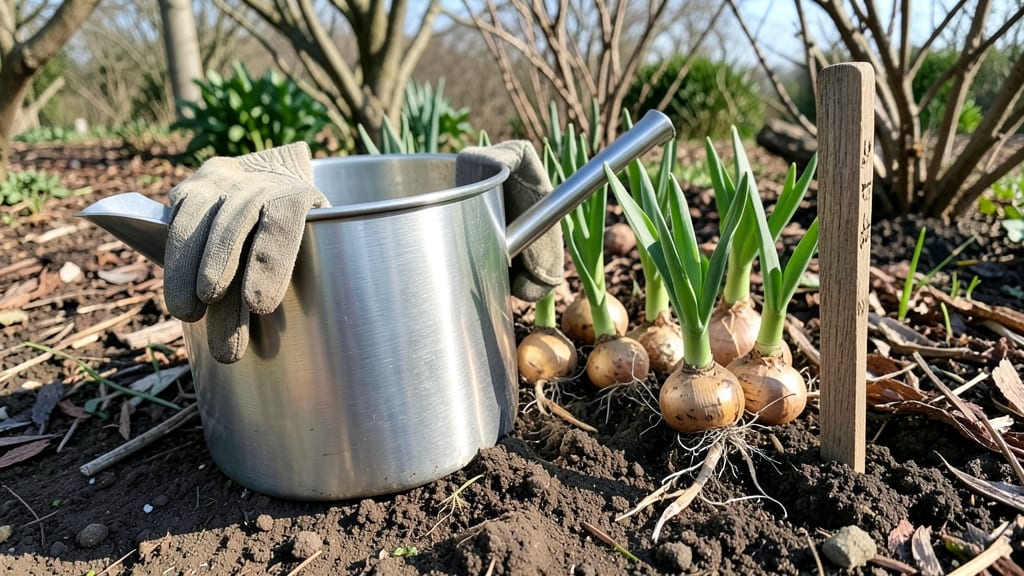
If you're wondering "when can you plant tulips in the ground", timing is everything—because those vibrant 🌷 blooms you dream of in spring start with the right fall move.
Planting too early or too late can leave you with weak roots or no flowers at all, and most gardeners don’t realize how much difference a few weeks make.
The key is planting 4-6 weeks before your first hard frost, when soil temperatures drop to a crisp 40-50°F. This window—typically in September or October—gives bulbs time to establish strong roots before winter sets in.
For USDA Zone 6a, that usually means late September to early November, but your exact timing depends on local frost dates.
Why does this matter? Tulips need cold dormancy to bloom beautifully, and planting at the right time ensures they’ll wake up strong in spring. We’ll break down exactly how to check soil readiness, adjust for early or late frosts, and avoid common mistakes that kill blooms before they even start.
Ready to set your tulips up for success? Let’s dive into the secrets of fall planting that’ll make your spring garden pop with color.
The ideal fall planting window for tulips by USDA Hardiness zones
Timing is everything when planting tulips—especially since they need 6-8 weeks of cold dormancy to bloom properly. The perfect window is 4-6 weeks before your first hard frost, when soil temperatures drop to 40-50°F (4-10°C). This ensures bulbs establish roots before winter sets in.
Most gardeners in the USDA Zones 3-8 (where tulips thrive) should aim for September to mid-November. For example, in Zone 5, that’s late September; in Zone 8, it stretches until early December. Adjust based on your local frost dates, not just the calendar.
Here’s the key: Plant too early, and bulbs may sprout prematurely, only to rot in warm soil. Plant too late, and they won’t root deeply enough for spring blooms. The soil temperature threshold is your best guide—never plant when soil is above 50°F (10°C).
🌷
If you’re unsure about your first frost date, check the National Weather Service or local cooperative extension office. For example, Chicago (Zone 5) typically sees its first frost around October 20, so aim for September 15–October 5.
Meanwhile, Los Angeles (Zone 10) can plant until December 15.
Pro tip: Adjust for early frosts by planting 2 weeks earlier if your area has unpredictable cold snaps. Conversely, in mild winters (like Zone 9), you might push planting to late November—just ensure bulbs get 40°F (4°C) soil temps for 6 weeks.
For container gardening, the rules shift slightly. Since pots warm faster, plant 2 weeks later than in-ground bulbs. Use black pots to absorb heat and delay planting if needed.
🌿
The ideal fall planting window for tulips by USDA Hardiness zones
Tulips thrive when planted in fall, not spring—this gives their roots time to establish before winter dormancy. The ideal window is 6-8 weeks before your first hard frost, when soil temperatures drop to 40-50°F.
This timing ensures strong root growth while avoiding the risks of warm soil or early spring planting, which can lead to weak blooms or no flowers at all.
Your USDA Hardiness Zone dictates the exact timing. For example, gardeners in Zone 3-4 (like Minnesota or upstate New York) should plant by mid-October, while those in Zone 7-8 (like Texas or Georgia) can wait until November.
The key is to plant before the ground freezes but after soil cools to 50°F or lower.
| USDA Zone | Ideal Planting Month | Soil Temp Threshold | First Frost Date |
|---|---|---|---|
| 3-4 | September-October | 40-50°F | Mid-October |
| 5-6 | October-November | 45-55°F | Late November |
| 7-8 | November-December | 50-60°F | Early December |
| 9-10 | December-January | 55-65°F | Mid-January |
If you’re unsure about your first frost date, check the National Weather Service or local gardening extensions. A simple trick is to plant when dahlias or cannas (other fall-planted bulbs) are being harvested—this usually signals the right time for tulips.
For container gardening, follow the same rules but use well-draining pots to prevent rot.
Adjust your timing if your area experiences early or late frosts. For example, if your zone typically gets frost by October 15 but you’re seeing warmer-than-usual fall weather, plant 2-3 weeks earlier.
Conversely, if frost is predicted earlier than usual, plant closer to the soil temperature threshold rather than waiting too late.
Pro tip: Use a soil thermometer to confirm temperatures. Planting in warm soil (above 60°F) can cause tulip bulbs to sprout prematurely, leading to weak stems and floppy blooms. Aim for cooler soil to encourage strong root development before winter.
Once you’ve nailed the timing, focus on soil preparation. Tulips need well-draining soil with a pH of 6.0-7.0. Mix in compost or sand if your soil is heavy clay, and plant bulbs 6-8 inches deep, with the pointy end facing up.
Mulch lightly after planting to protect bulbs from temperature fluctuations.