
Plants
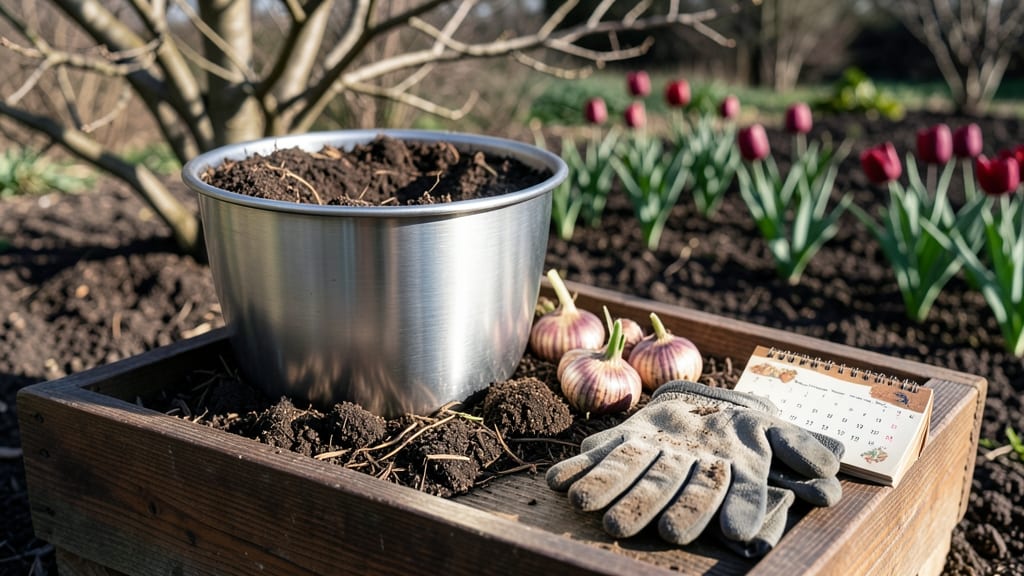
Planting tulips in North Carolina isn’t just about dropping bulbs into the ground—it’s about timing them perfectly to beat the frost and coax those 🌷 blooms into life next spring.
If you’ve ever watched tulips pop up like magic after a cold winter, you know the secret lies in when (not just if) you plant them.
The ideal window for tulip planting in North Carolina’s USDA Zones 7a-8b runs from October through December, but getting it right means accounting for your local frost dates and soil conditions.
Plant too early, and your bulbs might rot; too late, and they won’t root before winter sets in. Let’s break down the exact months—and what to watch for—to ensure your tulips thrive.
Most gardeners in North Carolina aim to plant bulbs 4-6 weeks before the ground freezes, typically between mid-October and early November. But whether you’re in the mountains or the coast, microclimates can shift that timeline by weeks. We’ll cover how to adjust for your specific zone and soil type.
Beyond the calendar, soil prep and mulching play a critical role in protecting your investment. Discover the pro tips that’ll help your tulips survive the winter and burst into color come spring—without the guesswork.
North Carolina tulip planting calendar by USDA hardiness zones (exact months for success)
North Carolina spans USDA Zones 5a through 8b, which means the perfect tulip planting window varies dramatically from the mountains to the coast. While most gardeners aim for fall planting, the exact timing depends on your last frost date and soil temperature.
In Zone 5a (western NC), you’ll plant earlier than in Zone 8b (coastal areas).
For reliable blooms, tulip bulbs need 4-6 weeks of cool soil before the ground freezes. This means planting 6-8 weeks before your average first frost. In NC, this typically lands between mid-October and mid-December, but your exact zone dictates the ideal month for maximum success.
Here’s the breakdown by zone, including soil temperature thresholds and frost date considerations to ensure your bulbs thrive:
| USDA Zone | Average First Frost | Ideal Planting Window | Soil Temperature | Key Tip |
|---|---|---|---|---|
| 5a (Mountains) | November 1-15 | October 1-15 | 45-55°F | Plant early to avoid early freezes. |
| 6a (Western Piedmont) | November 10-20 | October 15-November 1 | 50-60°F | Avoid planting after November 10. |
| 7a (Central NC) | November 20-December 1 | November 1-15 | 55-65°F | Best window for most gardeners. |
| 7b (Eastern Piedmont) | November 25-December 5 | November 10-25 | 55-65°F | Extend window with mulch. |
| 8a (Coastal NC) | December 1-10 | November 20-December 1 | 60-70°F | Plant later; milder winters. |
| 8b (Southern Coast) | December 10-20 | December 1-10 | 60-70°F | Can plant into early December. |
If you’re in Zone 7a or 7b (like Raleigh or Durham), aim for early November—this is the sweet spot for most NC gardeners. For cooler mountain zones (5a-6a), don’t wait past mid-October, or your bulbs may rot before winter sets in.
Meanwhile, coastal gardeners (8a-8b) can push planting into early December thanks to milder winters.
Pro tip: Use a soil thermometer to confirm temperatures. Tulip bulbs need 40-50°F soil to start rooting. If your soil is still warm (60°F+), wait a few weeks—hot soil can cause bulbs to sprout prematurely and rot.
Once planted, mulch heavily (3-4 inches) with straw or shredded leaves to insulate bulbs from freeze-thaw cycles. This protects them through winter and ensures vibrant blooms next spring. In Zone 8b, you might even get fall blooms if planted late!
Remember: Spring planting is a gamble in NC. While you can plant tulips in January or February, they may not bloom as robustly or may take 2 years to flower. Stick to fall planting for the best results.
For maximum impact, layer bulbs in 3-inch-deep pockets every 8-10 weeks starting in September. This creates a staggered bloom from early spring through late winter. Just mark your calendar and adjust for your specific zone!
Now that you’ve got the perfect timing, your next step is preparing the soil. Amend it with compost or aged manure for drainage, and choose a sunny spot with well-draining soil. Your tulips will thank you with
5 Critical factors that determine the Perfect Tulip Planting Time in NC (Beyond Just Months)
North Carolina’s diverse climate—from the mountainous west to the coastal east—means planting times can vary by weeks even within the same state. While October to December is ideal for most areas, soil temperature, local frost patterns, and even bulb quality can shift your timeline.
Let’s break down the 5 critical factors that’ll help you pinpoint the perfect moment to plant tulips in your NC yard.
First, soil temperature is your best friend. Tulip bulbs need the ground to be below 60°F but not yet frozen. In USDA Zone 7a (western NC), this usually happens by mid-October, while Zone 8a (coastal areas) might wait until late November.
Use a soil thermometer to check—planting too early in warm soil can trigger premature sprouting, which weakens the bulb before winter.
Local frost dates are another game-changer. While the average first frost in NC is around November 15, microclimates—like sheltered valleys or urban heat islands—can delay frost by 2-3 weeks. Aim to plant 4-6 weeks before your expected frost date. For example, if frost hits your area on November 1, plant by early October. Check your local Almanac or NC State Climate Office for precise data.
🌱 Numbered Highlights: 5 Critical Factors for NC Tulip Planting
- Soil Temperature: Plant when soil is below 60°F but not frozen (use a thermometer!).
- Frost Dates: Time planting 4-6 weeks before your area’s first frost.
- Bulb Quality: Choose firm, disease-free bulbs with no soft spots.
- Rainfall Patterns: Avoid planting during prolonged wet spells to prevent rot.
- Microclimates: Adjust for mountains vs. coast—higher elevations freeze earlier!
Don’t overlook bulb quality. Low-quality or disease-ridden bulbs won’t thrive, no matter the timing. Look for plump, firm bulbs with no mold or soft spots. Store them in a cool, dark place (like a garage) until planting.
Pro tip: Soak bulbs in a fungicide solution for 30 minutes before planting to deter rot, especially in humid coastal areas.
Rainfall patterns can also throw off your schedule. NC’s fall rains are unpredictable—planting during a prolonged wet spell risks waterlogged soil, which causes bulbs to rot. If your forecast calls for heavy rain within 48 hours of planting, wait a week or two. Well-draining soil is key, so amend heavy clay with compost or sand to improve aeration.
Finally, microclimates matter. A mountain garden in Asheville (Zone 7a) may need bulbs in the ground by mid-September, while a coastal garden in Wilmington (Zone 8a) can wait until late November.
Observe your yard: South-facing beds warm up faster, while north-facing spots stay cooler longer. Adjust your timeline based on where you plant—even within the same neighborhood!