
Plants
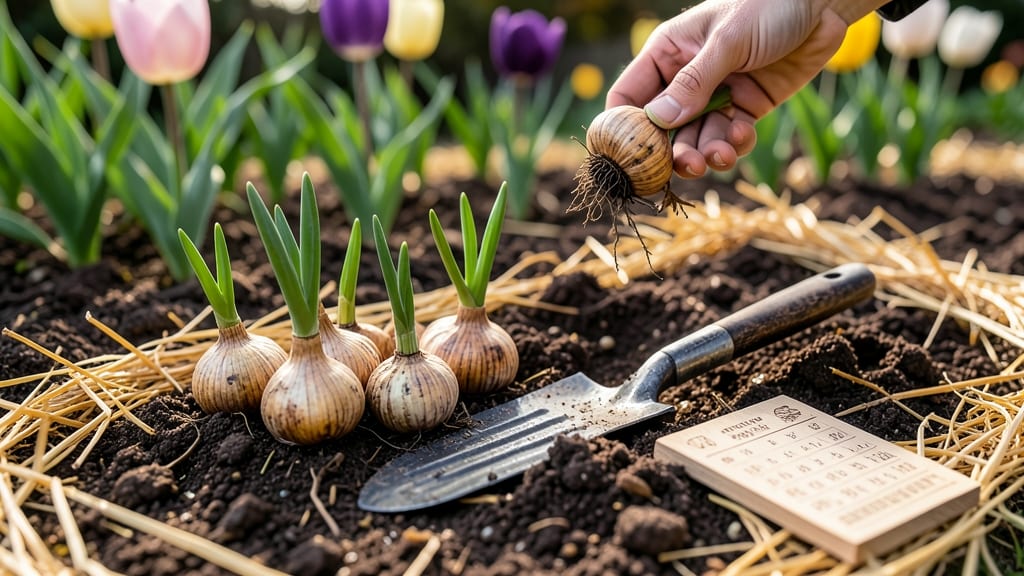
Planting tulips in Minnesota isn’t just about dropping bulbs into the ground—it’s about outsmarting the first frost and giving your 🌷 friends the perfect head start. With winters that can turn brutal by October, timing is everything, and missing the window means risking frozen bulbs or weak spring blooms.
The University of Minnesota Extension confirms that September through November is your golden window, but even then, local frost dates can shift your strategy.
Why does this matter? Because tulips need 4-6 weeks of cool soil before the ground freezes solid. Plant too early, and they’ll sprout before winter; too late, and they won’t root deeply enough to survive.
I’ll show you how to use Minnesota’s frost-date calculator to pinpoint your exact planting window—no guesswork, just vibrant blooms next spring.
Let’s break down the science behind Minnesota’s USDA Zones 3-5 and how to adjust your schedule based on your specific location. Whether you’re in the Twin Cities or the Iron Range, we’ll cover soil prep, bulb depth, and even which tulip varieties hold up best against our harsh winters.
Ready to turn your garden into a springtime showstopper?
You’ll also discover the 5 critical signs you’re planting at the wrong time—and how to fix it—plus the best mulching techniques to protect your investment. By the end, you’ll know exactly when to plant tulips in Minnesota to guarantee those iconic blooms year after year.
Minnesota tulip planting calendar: exact dates by hardiness Zone
Planting tulips in Minnesota requires precision—bulbs need 4-6 weeks to establish roots before winter sets in. The ideal window spans September through November, but exact timing depends on your USDA Zone (3-5) and local frost dates.
Zone 3 (northern MN) demands earlier planting than Zone 5 (southern MN), where late November can still work.
Use the Minnesota DNR’s frost calculator to pinpoint your first hard frost date (typically October 1 in most regions). Plant bulbs 6 weeks before this date—so if frost hits October 15, aim for mid-August planting. This ensures roots form before freezing.
For Zone 3 gardeners, prioritize September planting—soil warms slower here, and bulbs need extra time. In Zone 4/5, late September to early October is ideal, with November possible only if soil stays workable. Never plant after November 15—bulbs won’t root in time for winter survival.
Early planting (August-September) gives bulbs a head start but risks rot if soil stays soggy. Late planting (November) is risky—bulbs may not root before freeze. Zone 5 gardeners have the most flexibility, while Zone 3 must act fast.
Always plant after nighttime temps stay above 40°F consistently.
Pro tip: Chill bulbs for 6-8 weeks in the fridge (40°F) before planting if buying early. This mimics winter dormancy and boosts root growth. Store bulbs in a paper bag in the crisper drawer until ready to plant.
For container gardening, plant bulbs in pots by late September and move containers to a garage or shed before frost. Use well-draining mix with perlite to prevent rot. Containers freeze faster than ground soil, so insulate with straw mulch.
Minnesota’s unpredictable weather means frost can arrive early or late. Monitor forecasts and adjust planting by 2-3 weeks if needed. The University of Minnesota Extension offers local frost-date maps—bookmark their gardening resources for real-time updates.
After planting, mulch heavily with straw or leaves (4-6 inches) to insulate bulbs. Remove mulch in early spring to prevent rot. This simple step can mean the difference between vibrant blooms and frozen bulbs.
Remember: Tulips are perennials in Minnesota—they’ll return year after year if planted correctly. With the right timing, your garden will reward you with bold spring color for decades. Happy planting! 🌷
5 Critical signs you’re planting tulips at the wrong time in Minnesota
Planting tulips in Minnesota isn’t just about picking a month—it’s about reading your soil and climate like a pro. Even experienced gardeners can misjudge the timing, leading to frozen bulbs or weak blooms. Here are the 5 red flags that signal you’ve planted too early or too late, plus how to fix them.First, soil temperature is your best indicator. If the ground feels warmer than 50°F (10°C), you’re likely planting too early. Tulip bulbs need chill time to establish roots before winter, but they’ll rot if planted in warm soil.
Use a soil thermometer (or your elbow—if it’s comfortable, it’s too warm) to check before digging.
Another warning sign: sprouts emerging before frost. If you see tiny green shoots before late October, your tulips are at risk of freeze damage.
This happens when bulbs are planted too shallow or in Zone 4/5 areas with early freezes. Cover them with straw mulch immediately if this occurs.
Premature freezing is the silent killer. If your area hits 28°F (-2°C) before bulbs have rooted (usually 4-6 weeks post-planting), they’ll fail to bloom. Check the Minnesota DNR frost calendar—planting 4-6 weeks before the first hard frost is non-negotiable for success.
- 1. Soil too warm → Wait 2-3 weeks or plant deeper (8" instead of 6").
- 2. Sprouts before frost → Mulch heavily with straw or leaves immediately.
- 3. Frozen ground at planting → Wait for soil to thaw slightly (use a shovel to loosen).
- 4. No sprouts by spring → Bulbs may be too deep or rotted—dig up and replant.
- 5. Weak, sparse blooms → Planted too late; next year, aim for early October.
Late planting is just as dangerous. If you plant after mid-November, bulbs won’t root deeply enough before winter. They’ll produce smaller flowers or fail entirely. Pro tip: Zone 3 gardeners should plant by October 15th—earlier is better.
Finally, no sprouts by spring is a heartbreaker. This usually means bulbs rotted (too much water) or froze (planted too shallow). To salvage: Dig up bulbs in late summer, dry them in a cool, dark place, and replant next fall. Use sandier soil next time to improve drainage.
Timing tulips in Minnesota is equal parts science and intuition. Trust the soil thermometer, the frost calendar, and these warning signs—and your garden will reward you with bold, reliable blooms year after year. 🌷