
Flowers
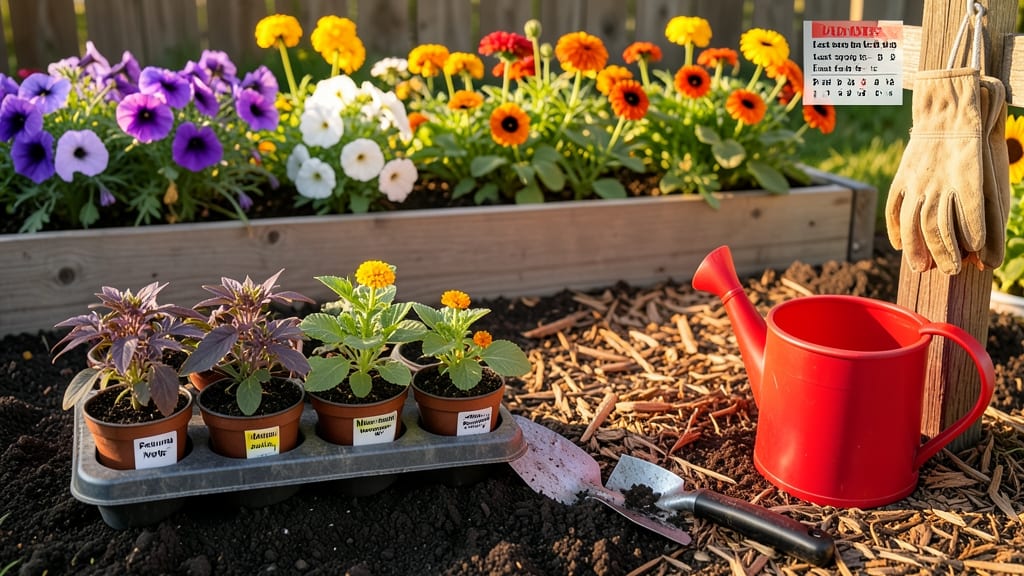
Knowing when to plant flowers in Delaware can mean the difference between a garden bursting with color and one that struggles to take root. With Delaware’s unique mix of coastal breezes and inland warmth, timing your plantings right is the key to vibrant blooms all season long.
Whether you're dreaming of 🌸 spring tulips or summer marigolds, the secret lies in understanding your zone’s last frost dates—typically around mid-April—and how they affect different flower types. Plant too early, and frost can nip tender shoots; too late, and your garden might miss peak bloom windows.
I’ll walk you through the perfect planting schedule for Delaware’s USDA Zone 7b, including when to start seeds indoors, when to set out annuals, and how to extend your blooming season with smart fall plantings. No more guessing—just a foolproof plan for a garden that thrives.
Ready to transform your outdoor space? Let’s dive into the exact moments to plant for maximum impact, so you can enjoy your flowers from spring through fall without a single worry.
Delaware’s frost-free planting calendar for annual flowers
Delaware’s USDA Zone 7b climate offers a 180-day frost-free growing season, but timing is critical. The average last frost date falls between April 15–May 1, while the first frost typically arrives around mid-October.
Coastal areas like Rehoboth may enjoy 2–3 weeks earlier last frosts, while inland regions near Wilmington might face slightly later dates. Understanding these variations helps you avoid frost damage to tender blooms.
Annual flowers in Delaware fall into two main categories: cool-season and warm-season varieties. Cool-season flowers, like pansies and snapdragons, thrive when planted 4–6 weeks before the last frost (late February–early March).
Meanwhile, warm-season favorites such as marigolds and zinnias should wait until after the last frost (mid-May) to ensure healthy growth. Skipping this step can leave your garden struggling with stunted growth or frost-killed seedlings.
Here’s a quick breakdown of Delaware’s planting windows for annual flowers, tailored to your region’s microclimates. Whether you’re in coastal Delaware or inland Wilmington, these guidelines will help you time your plantings perfectly for vibrant, long-lasting blooms.
| Planting Window | Flower Type | Notes |
|---|---|---|
| Late February–Early March | Cool-Season Annuals | Pansies, snapdragons, sweet peas. Plant 4–6 weeks before last frost. |
| Mid-March–Early April | Hardy Warm-Season Starters | Calendulas, lobelias. Start indoors for early blooms. |
| Mid-April–May 1 | Coastal Delaware Last Frost | Marigolds, zinnias, petunias. Wait until soil warms. |
| Mid-May–June 1 | Inland Wilmington Last Frost | Geraniums, cosmos, sunflowers. Avoid late May frosts. |
| Late August–Early September | Fall Annuals | Cosmos, bachelor’s buttons. Plant 6–8 weeks before first frost. |
For coastal gardeners, the earlier planting windows (late February–March) work perfectly, thanks to milder temperatures. In contrast, inland areas should hold off until mid-May to avoid unexpected late frosts.
If you’re unsure about your local frost dates, use a frost calendar or check with your local Cooperative Extension office for precise guidance. Pro tip: Use row covers or cloches to protect early plantings if frost threatens.
Another key factor is soil temperature. Most annual flowers thrive when soil reaches 60°F (15°C). Use a soil thermometer to monitor conditions—cool, wet soils can delay germination.
If your soil is still chilly in early spring, consider starting seeds indoors or using black plastic mulch to warm the soil faster. This simple trick can shave 2–3 weeks off your planting timeline.
Don’t forget about succession planting! For a continuous display of color, stagger your plantings every 2–3 weeks throughout the season. For example, sow a batch of marigolds in late April, another in early May, and a final batch in June.
This ensures your garden stays bursting with blooms from spring through fall. It’s also a great way to extend your harvest if you’re growing flowers for bouquets.
When planting, focus on well-draining soil and full sun exposure (6+ hours daily) for most annuals. Amend heavy clay soils with compost or sand to improve drainage, and avoid overcrowding seedlings.
Thin them to 12–18 inches apart for optimal airflow and growth. Proper spacing reduces competition for water and nutrients, leading to healthier, more vibrant flowers.
Finally, keep an eye on the weather forecast in the days leading up to your planting. If a late frost warning pops up, delay planting until temperatures stabilize. A few extra days of waiting can save your entire garden from frost damage.
With these tips, you’ll be well on your way to a showstopping Delaware flower garden that blooms all season long!
Best perennial flowers to plant in Delaware’s Zone 7b climate
Delaware’s Zone 7b climate offers the perfect balance for low-maintenance perennials that return year after year. Unlike annuals, these hardy plants establish deep roots, making them more resilient to Delaware’s humidity and occasional late frosts.
My top picks thrive with minimal fuss while delivering season-long color—ideal for busy gardeners who want beauty without the upkeep.
For spring bloomers, focus on planting in early spring (March–April) as soon as the soil is workable. Peonies and bleeding hearts are my go-to choices—they reward patience with lush, fragrant blooms that last for weeks.
These perennials also tolerate Delaware’s heat once established, making them perfect for sunny borders or cottage-style gardens.
🌸
| Perennial Flower | Planting Window | Sun Needs | Care Tip |
|---|---|---|---|
| Coneflowers (Echinacea) | Spring (March–April) or Fall (Sept) | Full sun (6+ hours) | Drought-tolerant; deadhead for repeat blooms |
| Black-Eyed Susans | Early spring or fall | Full sun to partial shade | Cut back in late winter; attracts pollinators |
| Daylilies (Hemerocallis) | Spring or fall | Partial shade to full sun | Divide every 3–4 years for vigor |
| Peonies (Paeonia) | Early spring (March) | Full sun to partial shade | Plant crowns shallowly; avoid moving after planting |
| Russian Sage | Spring or fall | Full sun | Drought-resistant; prune in early spring |
Summer-blooming perennials like Russian sage and coneflowers are my secret weapons for Delaware’s hot, humid summers. These plants thrive in full sun and require minimal watering once established, making them perfect for low-water gardens.
I’ve found that coneflowers also attract butterflies and bees, turning my garden into a pollinator paradise with almost no effort.
For fall interest, sedum and asters are my top picks. Plant these in early fall (September) to give their roots time to establish before winter. Sedum’s succulent-like foliage adds texture, while asters provide late-season color when many other flowers have faded.
Both handle Delaware’s cool nights beautifully and often rebloom the following spring.
One of my favorite year-round perennials is lavender. While it’s technically a shrub, its fragrant foliage and purple spikes make it a must-have for Delaware gardens. Plant it in spring (April) in well-draining soil with full sun exposure.
Just be sure to prune it annually after flowering to keep it compact and prevent woody stems.
🌿