
Lawn
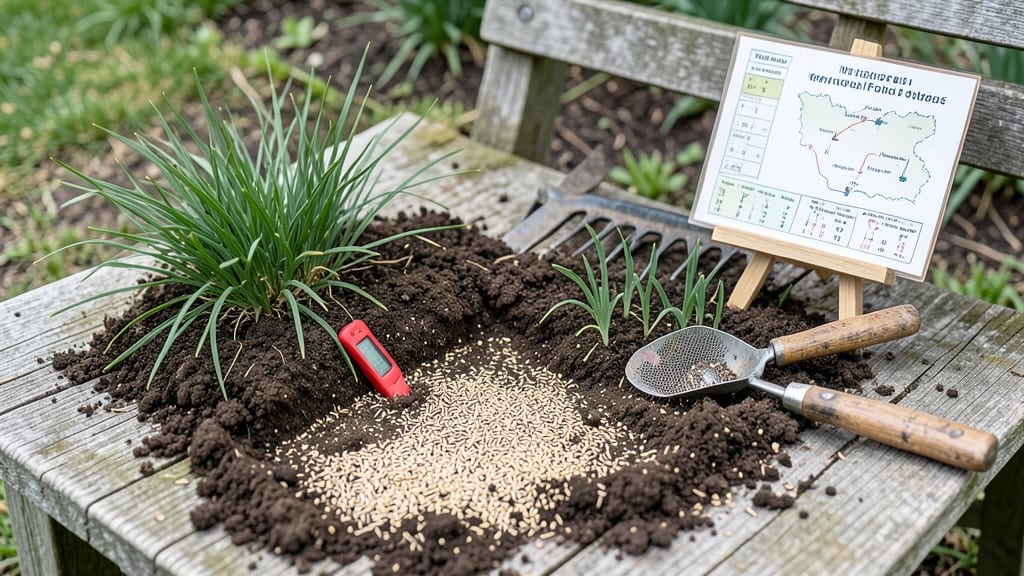
Planting grass seed in Ohio at the wrong time can leave you staring at bare patches instead of that dreamy, green lawn you crave. The key to success? Timing it right—when soil temperatures cooperate and frost isn’t lurking around the corner.
With Ohio’s 6a climate, your best bets are early spring or early fall, but there’s more to it than just picking a month.
Why does timing matter so much? Because 🌱 grass seed needs consistent moisture and warmth to germinate, and Ohio’s weather can swing from chilly to sweltering faster than you can say “lawn care.” Plant too early, and frost zaps your seedlings.
Too late, and summer heat dries them out before they take root. I’ll break down the exact windows—plus how to prep your soil and adjust for Ohio’s regional quirks—so you can finally get that thick, lush carpet you’ve been dreaming of.
You might think spring is the only option, but fall planting actually gives your grass a head start for next year. I’ll walk you through the best weeks to plant in both seasons, including soil temperature checks and watering tips tailored to Ohio’s unpredictable weather.
No more guesswork—just a lawn that stays green all season long.
Ready to transform your yard? Let’s dive into the exact timeline and tricks to make your grass seed thrive, no matter where you are in the state. Whether you’re in Columbus or Cleveland, these insights will help you avoid common pitfalls and get results faster.
Ohio grass seed planting zones: best months by region (north vs. south)
Ohio’s diverse climate—from the cooler lakeside regions in the north to the slightly warmer southern valleys—means your grass seed planting timeline should align with your specific USDA hardiness zone.
Most of Ohio falls within zones 5b-6b, but even small differences in elevation or proximity to Lake Erie can shift your ideal planting window by 2-3 weeks.
For northern Ohio (think Toledo, Cleveland, and Youngstown), the growing season is shorter, so you’ll want to focus on early spring and early fall plantings.
Southern Ohio (like Columbus, Cincinnati, and Dayton) enjoys a slightly longer season, giving you more flexibility—but don’t push it too late, or summer heat will stress your new seedlings.
Here’s the key rule: Plant when soil temperatures consistently reach 55°F or higher (for cool-season grasses like tall fescue and Kentucky bluegrass, which dominate Ohio lawns). Warm-season grasses like Bermuda or Zoysia (less common but used in southern Ohio) need soil temps of 65°F or warmer.
🌱 Pro Tip: Use a soil thermometer (available at any garden center for under $10) to check depths of 2-4 inches—this is where seeds germinate. If your soil is still cold, wait another week.
Ohio’s fall planting is often the most successful because cooler temps reduce weed competition and drought stress. Aim to plant 6-8 weeks before your first frost (typically mid-October for northern Ohio and late October for southern Ohio).
Seedlings establish roots before winter dormancy, giving you a head start in spring.
🌿 Regional Reality Check: If you’re in southern Ohio and plant in late May, your grass may struggle to establish before summer heat sets in. Stick to the early spring or early fall windows for best results.
One more critical factor: rainfall patterns. Northern Ohio gets more consistent spring rains, while southern Ohio can experience dry spells in late summer. If you’re planting in September, keep a garden hose handy—new seedlings need 1 inch of water per week, even if nature doesn’t cooperate.
Finally, avoid planting in summer (June-August) unless you’re using warm-season grasses like Bermuda. The heat and humidity create perfect conditions for fungal diseases like brown patch, which can wipe out your entire lawn before it even sprouts.
☀️ Sunlight Secret: Ohio’s 6+ hours of daily sun is ideal for grass growth. If your lawn gets partial shade (common in wooded areas), choose shade-tolerant grasses like fine fescue or Kentucky bluegrass varieties labeled for shade.
Week-by-week Ohio grass seed planting timeline: what to do each month
Now that you know the best months to plant grass seed in Ohio, let’s break down the exact steps for each month—from soil prep in winter to final touches in fall. This timeline ensures your grass seed gets the perfect start, no matter where you are in the state.
I’ve included Ohio-specific adjustments for soil temperatures, rainfall patterns, and even local microclimates like the cooler Lake Erie shoreline.
🌱 Key Rule: Always check your soil temperature before planting. Use a soil thermometer (available for under $10) to confirm it’s reached the 55°F threshold for cool-season grasses or 65°F for warm-season varieties. If your soil is still cold, wait another week—patience now means a thicker lawn later.