
Plants
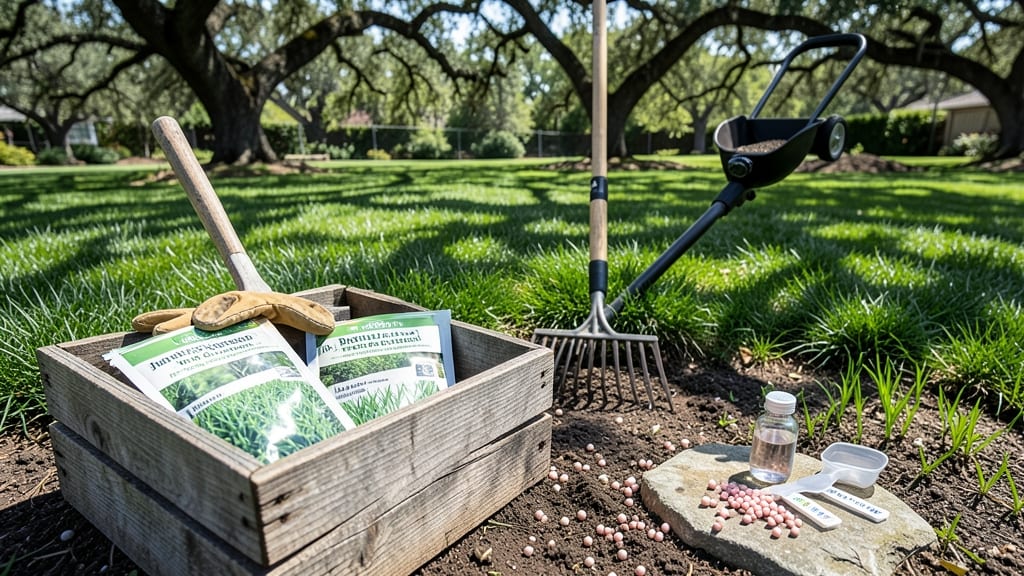
Timing your grass seed planting in Illinois can make or break your lawn’s success—get it wrong, and you’re staring at patchy growth for months.
The best time isn’t just about the calendar; it’s about soil temperatures, frost-free windows, and regional microclimates that vary from Chicago’s 5a zones to St. Louis’s 6b areas.
Early fall (September-October) and late spring (March-April) are your golden windows, but soil temps must hit 50-65°F for seeds to germinate reliably. Plant too early, and frost will kill tender sprouts; too late, and weeds steal the show.
I’ll break down exactly when to act in your corner of Illinois—plus how to prep soil and water like a pro.
Think you can just toss seed and walk away? Not in Illinois’s unpredictable climate. We’ll cover the critical mistakes that ruin germination here—like ignoring pH levels or skipping the pre-planting soil test—and how to avoid them. Ready to grow a lawn that actually thrives?
Whether you’re seeding a new yard or patching bare spots, this guide cuts through the guesswork. Let’s get your 🌱 grass off to the strongest start possible—no more waiting for “someday” to plant.
Optimal Illinois grass planting windows by soil temperature & region
Timing your grass seed planting in Illinois isn't just about the calendar—it's about soil temperature, frost dates, and your specific USDA hardiness zone. Illinois spans zones 5a-6b, meaning northern areas (like Chicago) face earlier frosts than southern regions (like St. Louis).
The best windows are when soil temps hit 50-65°F—this ensures seeds germinate without risking frost damage.
For most of Illinois, the ideal planting windows are early fall (September-October) and late spring (March-April). Fall planting gives seedlings time to establish before winter, while spring plantings must happen before mid-April to avoid late frosts. Southern Illinois (zones 6a-6b) can extend planting slightly later than northern areas.
Soil temperature is your best indicator—use a soil thermometer to confirm 50°F+ before planting. In northern Illinois, this typically aligns with late April to early May for spring, while southern regions can start 2-3 weeks earlier. Fall plantings should occur 6-8 weeks before first frost (usually mid-October in most areas).
| Region | USDA Zone | Spring Window | Fall Window | Soil Temp Goal |
|---|---|---|---|---|
| Northern IL (Chicago, Rockford) | 5a-5b | Mid-April to early May | Early September to mid-October | 50-60°F |
| Central IL (Peoria, Springfield) | 6a | Late March to early April | Late August to early October | 55-65°F |
| Southern IL (St. Louis, Carbondale) | 6b | Early March to late April | September to mid-November | 60-70°F |
*Adjust for microclimates (e.g., urban heat islands may extend windows by 1-2 weeks)
Northern Illinois gardeners should prioritize fall planting—it’s the most reliable window for success. The cooler temps reduce weed competition and water stress, while established roots handle winter better.
In southern Illinois, spring plantings can work if you’re aggressive about watering and fertilizing, but fall remains the safer bet.
Microclimates matter! Urban areas like Chicago often experience earlier soil warming in spring due to pavement heat retention, while rural areas may need to wait 1-2 weeks longer. Always check local frost dates (via Old Farmer’s Almanac or NOAA) and adjust your timeline accordingly.
For example, Chicago’s last frost averages April 20th, while Carbondale’s is May 5th.
Cool-season grasses (like Kentucky bluegrass and tall fescue) thrive in Illinois’ climate and are best planted in fall or early spring. Warm-season grasses (like Bermuda or Zoysia) can be seeded in late spring but require consistent warmth—plant too early, and they’ll struggle with cool soils.
Always choose grass types matched to your region’s climate.
If you’re in zone 5a (northern IL), aim for September 1st as your fall deadline—this gives seedlings 6-8 weeks to establish before first frost. In zone 6b (southern IL), you can push planting to early November, but monitor soil temps closely.
Pro tip: Cover seeds lightly with straw in early fall to protect against unexpected cold snaps.
One common mistake Illinois gardeners make is planting too early in spring—seeds may germinate, but late frosts can kill tender seedlings. Always wait until soil temps stay above 50°F for 5+ days before seeding.
For fall plantings, stop by October 15th in northern IL to avoid winter stress on young roots.
For overseeding existing lawns, follow the same rules but reduce seed rates by 25-30%. Thin lawns in zones 5a-6a benefit most from fall overseeding, while zone 6b areas can also try early spring if soil warms quickly.
Always mow short (1-1.5 inches) before seeding to ensure good seed-to-soil contact.
Step-by-step grass seed planting timeline for Illinois homeowners
Timing is everything when planting grass seed in Illinois, and a structured approach ensures your new lawn thrives from the first sprout. My step-by-step timeline aligns with Illinois' USDA zones 5a-6b, balancing soil warmth, rainfall patterns, and frost risks.
Whether you're seeding in early spring or early fall, these actionable tasks will keep your project on track.
Start by preparing your soil 2-3 weeks before planting. This gives you time to loosen compacted areas, remove debris, and adjust the pH to 6.0-7.0—critical for Illinois' clay-heavy soils.
A soil test from your local University of Illinois Extension office can save you guesswork here. I recommend working the top 2-3 inches of soil to create a seed-friendly environment.
Prep Soil
- Remove all debris and rocks from planting area
- Loosen top 2-3 inches of soil with a rake or tiller
- Test soil pH (aim for 6.0-7.0)
- Apply 1 inch of compost if soil is poor
- Level the area with a lawn roller (optional)
For spring planting (March-April), choose cool-season grasses like Kentucky bluegrass or tall fescue—they handle Illinois' unpredictable early springs better than warm-season varieties. Plant when soil temperatures consistently reach 50-65°F (use a soil thermometer to check).
I've found that seeding in late April often yields better results than early March, as the ground warms faster and frost risks diminish.
Watering is the most critical factor in your first 30 days. Keep the soil consistently moist (about 1/2 inch per week) by watering early morning (6-10 AM) to prevent fungal diseases. Use a sprinkler with fine mist to avoid displacing seeds.
I recommend setting up a drip irrigation system if you're planting a large area—it delivers water precisely where it's needed without disturbing the seeds.
If you're planting in early fall (September-October), aim to finish by mid-October before the first frost. Fall planting gives grass seedlings 6-8 weeks to establish roots before winter dormancy.
For northern Illinois (zones 5a-5b), I suggest planting by September 15th, while southern Illinois (zones 6a-6b) can extend until October 10th. Always check your local frost-free date for precise timing.
About 4-6 weeks after planting, your grass should reach 2-3 inches tall and be ready for its first mowing. Never cut more than 1/3 of the blade height—this encourages deeper root growth.
I've seen many Illinois gardeners rush this step and end up with stressed grass that struggles to recover. Use a sharp mower blade to prevent tearing the grass, and collect clippings to avoid thatch buildup.
Remember, Illinois' climate variability means your timeline might shift slightly each year. Always monitor soil temperatures, rainfall patterns, and frost forecasts from the National Weather Service. With this structured approach, you'll maximize your grass seed's potential and enjoy a lush, healthy lawn by next spring. 🌱