
Companion Plants
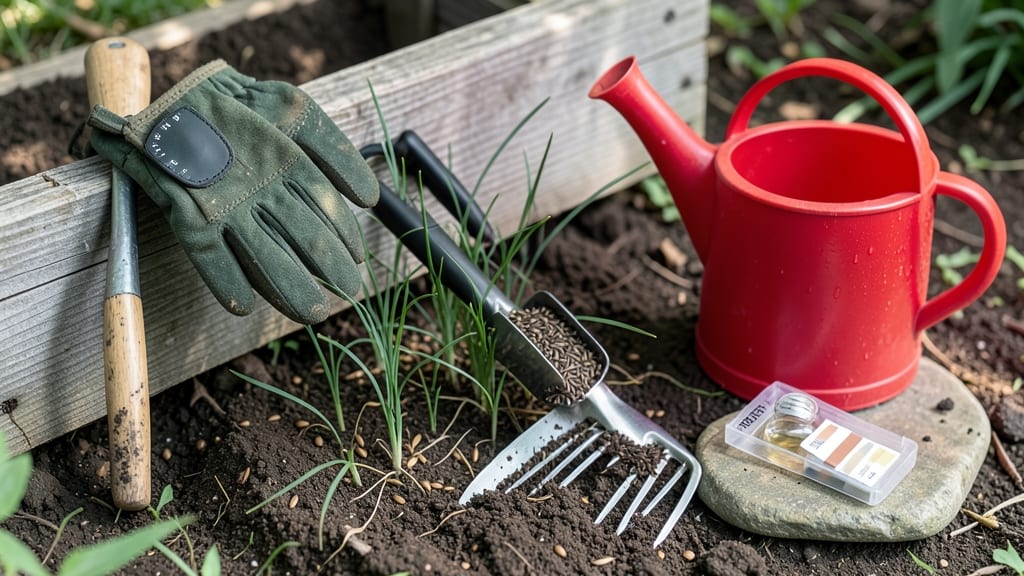
Planting grass seed in the fall is your golden ticket to a lush, thick lawn—but only if you nail the timing. Too early, and weeds steal the show; too late, and frost zaps your seedlings before they take root.
In USDA Zone 6a, the sweet spot is 4-6 weeks before your first frost, typically between mid-August and early October.
Why does this matter? Fall’s cooler temps and consistent moisture give grass the perfect conditions to establish deep roots before winter dormancy. Skip this window, and you’ll either battle weeds all season or watch your new grass struggle to survive.
I’ll break down exactly how to read your climate zone, prep your soil, and choose the right seed for your region.
Let’s start with the most critical factor: knowing when your local frost date falls. For Zone 6a, that’s usually around October 15th, so aim to plant by early October.
But don’t just guess—soil temperature is the real game-changer. We’ll cover how to test it and spot the 5 signs your lawn is ready for seed (or still waiting).
Ready to avoid the common pitfalls? From skipping aeration to overwatering, I’ll show you how to turn fall planting into a foolproof process. By the end, you’ll have a lawn that’s not just surviving winter—but thriving when spring rolls around.
Optimal fall planting windows by US climate zone (weeks before frost)
Fall grass seeding success hinges on planting 4-6 weeks before your first frost date. This window lets seedlings establish roots before winter dormancy. In the Northern US (zones 3-5), aim for late August to mid-September—when soil temps hover between 60-75°F and weeds are less aggressive.
Southern regions (zones 6-8) can extend planting until early October since frost arrives later.
Cool-season grasses like Kentucky bluegrass and tall fescue thrive when nights cool but days stay warm. Planting too early (before 75°F soil temps) risks weed competition, while planting too late (2-3 weeks before frost) leaves seedlings vulnerable to cold.
Use your USDA zone map to pinpoint your exact window—each zone varies by 1-2 weeks.
🌱
| USDA Zone | Climate Type | Ideal Planting Window | Soil Temp Threshold | Key Grass Types |
|---|---|---|---|---|
| Zones 3-5 | Cool | Late August–Mid-September | 60–75°F (15–24°C) | Kentucky bluegrass, Fine fescue |
| Zones 6-7 | Temperate | Mid-September–Early October | 65–70°F (18–21°C) | Tall fescue, Perennial ryegrass |
| Zones 8-10 | Warm | Early October–Mid-November | 70–75°F (21–24°C) | Bermuda grass (warm-season) |
📅 Pro Tip: Check your local National Weather Service frost date—it’s more accurate than zone averages!
For Northern climates (zones 3-5), prioritize late August planting to avoid summer heat stress. In Southern zones (8-10), extend planting until mid-November—just ensure seedlings have 4-6 weeks to root before winter.
Warm-season grasses like Bermuda can handle later dates, but cool-season varieties need soil temps above 50°F for germination.
Test your soil’s readiness with a soil thermometer—ideal temps are 60-75°F at 4-inch depth. If temps drop below 50°F, germination slows dramatically. Pair this with 1 inch of rainfall weekly (or irrigation) to keep seeds moist until sprouting.
Overwatering can suffocate seeds, so aim for consistent, not soggy, moisture.
💧
Regional microclimates matter too. Mountainous areas may need 2 weeks earlier planting due to cooler nights, while urban heat islands can delay frost by 1-2 weeks. Adjust your timeline by observing nearby lawns: if neighborhood grass is actively growing, it’s likely safe to plant.
If growth has stalled (brown patches or slow recovery), wait another week.
Post-planting, focus on light fertilization (use a 10-0-10 NPK ratio) 4-6 weeks after seeding to boost root development. Avoid heavy feeds—excess nitrogen encourages top growth at the expense of root strength before winter. Mulch with straw (not hay) to retain moisture and insulate seeds from temperature swings.
✂️
Remember: Fall planting rewards patience. Seedlings need 4-6 weeks to establish before winter dormancy. If your area gets snow cover, this buffer protects roots. Without snow, mulch heavily (3-4 inches) to shield seeds from freezing temps.
By spring, your lawn will outcompete weeds—just stay within that 4-6 week frost window!
5 Critical signs your fall grass seed planting timing is perfect (or too late)
Timing your fall grass seed planting is an art—too early, and weeds steal the show; too late, and frost halts growth. Here are 5 key indicators to nail the perfect window for planting cool-season grasses like Kentucky bluegrass or fescue.
These signs ensure your seeds germinate strong before winter sets in.
First, check your soil temperature. The ideal range is 60–75°F—use a soil thermometer to confirm. If it’s cooler than 55°F, wait a few days. Warm soil speeds up germination, giving your grass a head start before weeds like crabgrass take over.
Next, monitor weed competition. If your lawn already has thick weeds, delay planting until you’ve controlled them with pre-emergent herbicides or manual removal. Weeds compete for nutrients, and your grass seedlings won’t stand a chance if they’re fighting for space.
Rainfall forecasts are your next clue. Aim for consistent moisture in the 2 weeks after planting. If drought is predicted, water deeply before seeding to give your new grass a hydration boost. A dry spell post-planting can leave seeds parched and dormant.
Pay attention to seed germination rates. Most cool-season grasses sprout within 7–21 days under ideal conditions. If you’ve planted and see no sprouts after 3 weeks, it might be too late—frost could be on the horizon. Adjust your timing for next year!
Finally, watch the frost forecast. Plant 4–6 weeks before the first expected frost date in your area. This gives your grass 4–6 weeks to establish roots before winter dormancy. Use your local USDA Plant Hardiness Zone map to estimate your frost date accurately.
Soil temp: 60–75°F
Weed-free lawn
Rainfall: 1+ inch/week
Germination in 7–21 days
4–6 weeks before frost
If you’ve checked all these boxes, you’re in the sweet spot for fall planting! Your grass will have time to grow roots, crowd out weeds, and enter winter strong.
Miss any of these signs, and you risk patchy lawns or wasted seed. Adjust your schedule next year based on what you learn.
Pro tip: Keep a planting journal to track soil temps, rainfall, and germination times. Over time, you’ll fine-tune your timing like a pro. Happy planting! 🌱