
Companion Plants
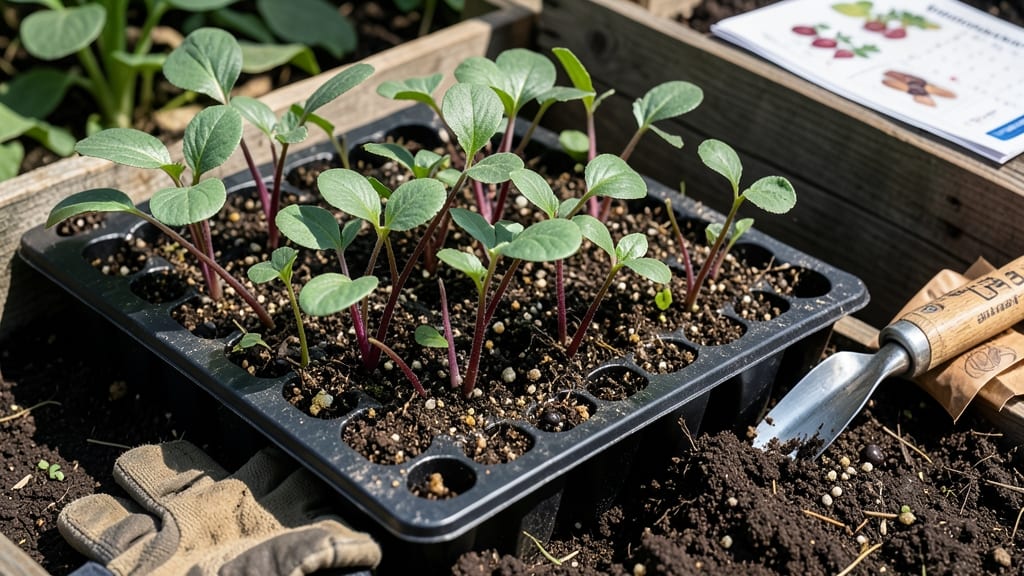
Knowing when to plant beets in Zone 6 makes all the difference between a garden full of sweet, crisp roots and one that bolts or struggles.
Unlike heat-loving veggies, beets thrive in cooler weather, but timing them wrong means missing the window entirely—or dealing with frost damage before they even get started.
In Zone 6, where last frosts can linger until mid-April in some areas and early May in others, planting too soon risks stunted growth. The key?
Wait until soil reaches at least 50°F—when those first tender shoots appear, you’ll know you’ve nailed it. But there’s more to it than just dates.
This guide breaks down the exact weeks before your last frost to plant for maximum yield, plus how to stretch your harvest with succession planting.
Whether you’re in a cooler microclimate like Pittsburgh or a warmer pocket near St. Louis, these strategies ensure your beets stay sweet and your garden stays productive.
Ready to grow beets that outshine store-bought? Let’s dive into the science—and the simple tricks—that turn Zone 6’s unpredictable spring into your best beet-growing season yet.
Zone 6 beet planting calendar: exact weeks before last frost for maximum yield
Zone 6 gardeners face a delicate balance: plant beets too early, and a late frost will turn your tender seedlings into mushy pulp. Too late, and you’ll miss the sweetest, most tender roots of the season.
The key is understanding your last frost date and soil temperature thresholds—typically between 3–4 weeks before the average last frost in your sub-region (6a vs. 6b).
For most of Zone 6, that means aiming for mid-to-late March in southern areas (like Birmingham, AL) and late April to early May in northern stretches (like Minneapolis, MN).
But don’t rely solely on calendar dates—soil temperature is the real game-changer. Beets thrive when soil reaches 50–55°F, which often lags behind air temperature by weeks.
Here’s the golden rule for Zone 6: Start seeds indoors 4–6 weeks before your last frost date if you’re using cold frames or row covers. For direct sowing, wait until soil warms to 50°F—usually 2–3 weeks after your last frost.
This timing ensures your beets germinate quickly and outpace any lingering cold snaps.
| Zone 6 Sub-Region | Last Frost Date (Avg.) | Optimal Planting Window | Soil Temp. Threshold | Notes |
|---|---|---|---|---|
| Zone 6a (e.g., Minneapolis, MN) | May 10–15 | April 15–May 1 (direct sow) | 50–55°F | Use row covers for early starts. |
| Zone 6b (e.g., Chicago, IL) | April 20–May 5 | March 25–April 15 (direct sow) | 50–55°F | Urban areas may need microclimate adjustments. |
| Zone 6 (Southern, e.g., Nashville, TN) | March 15–20 | February 20–March 10 (direct sow) | 50°F+ | Early varieties like 'Babybeat' thrive here. |
| All Zone 6 | N/A | August 1–September 15 (fall crop) | 60°F+ | Avoid planting after 90 days before first frost. |
🌱 Pro Tip: Use a soil thermometer to confirm readiness—beets won’t germinate below 50°F!
Don’t overlook the fall planting window in Zone 6, which often yields the sweetest, most flavorful beets of the year. Aim to sow seeds 8–10 weeks before your first frost—typically August 1–September 15.
This timing ensures roots mature before winter sets in, and cooler fall temps actually enhance beet sweetness. Just avoid planting after 90 days before frost, or your beets will bolt or develop woody textures.
Microclimates play a huge role in Zone 6. Urban gardens near pavement or buildings may warm up 1–2 weeks earlier than rural areas, while low-lying spots can stay colder. Test your soil temperature for 3 consecutive days above 50°F before planting.
If you’re unsure, opt for heat-tolerant varieties like 'Detroit Dark Red' or 'Chioggia'—they handle Zone 6’s summer heat better than delicate heirlooms.
Another Zone 6 secret? Succession planting every 2 weeks from spring to early summer keeps your harvest steady. Sow a small batch every 10–14 days until 6 weeks before your last frost date.
This staggered approach ensures you’re always harvesting young, tender beets instead of dealing with overgrown, tough roots later in the season.
For gardeners in Zone 6a (colder end of the spectrum), consider using black plastic mulch or row covers to warm soil faster. These tools can shave 1–2 weeks off your planting timeline by raising soil temperatures by 5–10°F. Just remove covers once seedlings emerge to prevent overheating.
Finally, track your actual frost dates for 3 years to refine your timing. Zone 6’s 10-year averages can be misleading—your local microclimate might run 1–2 weeks earlier or later.
Keep a garden journal or use a frost calendar app to adjust future plantings. With these strategies, you’ll master beet timing and enjoy crisp, sweet roots all season long.
🌱
How to extend your beet harvest season in Zone 6: succession planting & frost protection
Zone 6’s short growing season doesn’t mean you’re limited to one beet harvest. With smart succession planting and frost protection, you can enjoy fresh beets from early summer through fall. The key is staggering plantings every 2-3 weeks after your first sowing, ensuring a continuous supply of tender roots.
Start your first planting 3-4 weeks before your last frost date (typically mid-April in most of Zone 6). For example, if your last frost is May 15th, begin sowing around April 15th. This gives seedlings time to establish before hot summer temperatures arrive, which can cause bolting (premature flowering).
For a second harvest, plant another round in early July. Choose heat-tolerant varieties like 'Detroit Dark Red' or 'Golden'—these handle summer’s intensity better than delicate heirlooms. By mid-August, you’ll have baby beets ready for harvest, followed by full-sized roots in September.
Protect young seedlings from late spring frosts using frost cloth or a mini cold frame. Even a lightweight row cover can raise soil temperatures by 5-10°F, giving seeds a better chance to germinate. Remove covers once true leaves appear to prevent overheating.
Avoid the common mistake of overcrowding your beet beds. Space seeds 1-2 inches apart in rows 12 inches apart. Thin seedlings to 3-4 inches apart when they’re 2-3 inches tall—this prevents competition and ensures larger, sweeter roots. Mulch with straw or grass clippings to retain moisture and suppress weeds.
For a late-season extension, try a cold frame or low tunnel over your final planting. These can push your harvest window into November, especially in Zone 6b areas. Just
With these strategies, you’ll enjoy homegrown beets from June through November—no grocery store needed! 🌱