
Plants
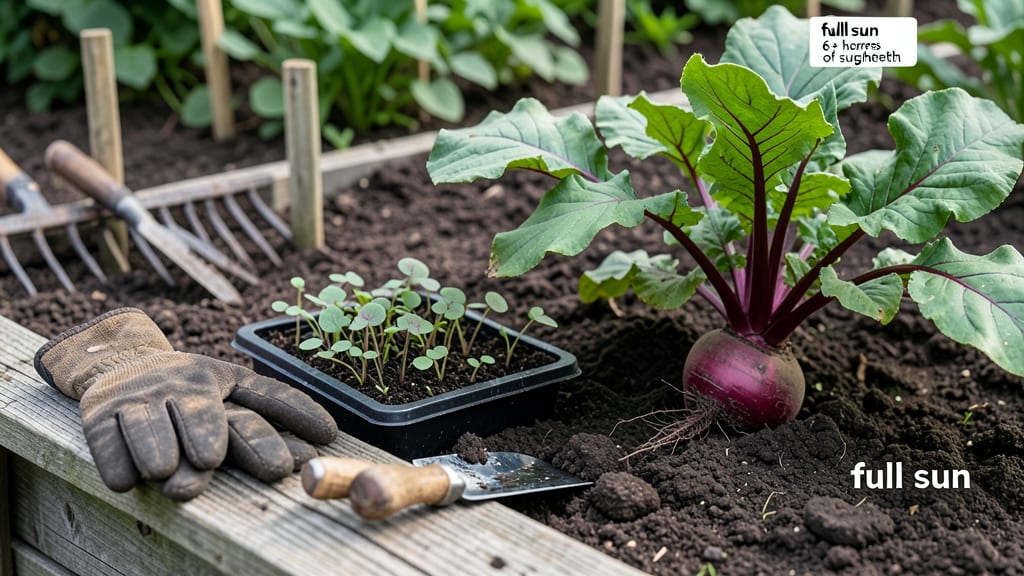
Knowing when to plant beets in Zone 8b makes all the difference between sweet, tender harvests and bitter, bolted greens. The key isn't just the calendar—it's understanding how your local climate plays tricks on these cool-weather lovers.
In Zone 8b, you've got two prime windows: February-March for spring beets and August-September for fall crops. Plant too early, and weeds steal the show; too late, and summer heat sends your beets running to seed before you even taste them.
I'll show you exactly how to time it right—plus pro tips to beat bolting, whether you're growing classic Detroit Dark Reds or colorful Chioggia varieties. Let's get those 🍠 roots thriving when they count.
Ready to stop guessing and start harvesting? These strategies will have you pulling perfect beets all season long, no matter what Zone 8b throws at you.
Optimal planting windows for beets in Zone 8b (fall & spring)
Zone 8b gardeners have a unique advantage with beets—you can grow them in both fall and spring while avoiding the bolting risks of summer heat. The key is planting when soil temps stay between 50°F and 70°F, which keeps beets sweet and prevents early flowering.
Miss this window, and you’ll end up with bitter, woody roots or seeds instead of tender harvests.
For spring plantings, aim for late winter to early spring (February to March) when the last frost has passed. This gives beets 60-70 days to mature before summer’s heat sets in. Fall plantings should start in late summer (August) to harvest before the first frost in mid-December.
Both seasons require careful timing to maximize yield.
Here’s the exact planting schedule tailored for Zone 8b, including soil prep tips and temperature thresholds to avoid common pitfalls like bolting or stunted growth.
| Season | Planting Window | Soil Temp (°F) | Days to Harvest | Key Tip |
|---|---|---|---|---|
| Spring | Late February - Early March | 50°F - 65°F | 50-60 days | Use row covers if nights dip below 40°F. |
| Spring (Succession) | Mid-March - Early April | 55°F - 70°F | 45-55 days | Plant heat-tolerant varieties like ‘Cylindra’. |
| Fall | Late August - Early September | 60°F - 75°F | 50-65 days | Avoid planting after September 15 for harvest before frost. |
| Fall (Late) | Mid-September | 55°F - 65°F | 60-70 days | Use mulch to protect roots from cold snaps. |
If you’re new to Zone 8b gardening, soil temperature is your best friend. Use a soil thermometer to confirm conditions—beets won’t germinate well below 50°F. For spring plantings, wait until soil warms to 55°F to ensure steady germination.
In fall, plant when daytime temps hover around 70°F but nights cool to 60°F or lower.
Pro tip: Direct sow seeds instead of transplanting seedlings. Beets hate root disturbance, and transplanted beets often bolt or develop misshapen roots. Sow seeds ½ inch deep and 1-2 inches apart in rows spaced 12 inches apart.
Thin seedlings to 3-4 inches apart once they’re 2 inches tall to give roots room to grow.
For continuous harvests, stagger plantings every 2 weeks in spring and every 3 weeks in fall. This ensures you always have mature beets ready to pick without overwhelming your garden at once. Just remember: never let soil dry out during germination, or you’ll risk patchy sprouts.
One common mistake in Zone 8b is planting too late in spring. By May, temperatures often exceed 80°F, triggering bolting. To delay this, choose heat-tolerant varieties like ‘Early Wonder’ or ‘Golden’ and provide afternoon shade with a lightweight row cover.
For fall plantings, avoid starting seeds after <
Optimal planting windows for beets in Zone 8b (fall & spring)
In Zone 8b, where winters are mild and summers can be scorching, timing your beet planting is critical to avoid bolting (premature flowering) or heat stress. The best windows are early spring and late summer—when soil temperatures stay between 50°F and 75°F for consistent germination and growth.
Spring planting kicks off in late January to early March, while fall planting runs from mid-August to early September. These timelines align with Zone 8b’s last frost (January 15) and first frost (December 15), ensuring a full growing season before extreme heat or cold sets in.
For heat-tolerant varieties like ‘Detroit Dark Red’ or ‘Chioggia’, you can push spring planting slightly later (up to mid-April) with shade cloth or mulch to protect seedlings. However, traditional varieties like ‘Golden’ need cooler soil to prevent bolting.
Fall plantings are especially rewarding in Zone 8b because cooler nights slow bolting, and beets develop sweeter roots. Start seeds 6–8 weeks before your first frost (early September) to ensure a harvest before temperatures drop below 40°F.
Pro tip: Succession plant every 2 weeks in spring and fall to stagger harvests. Thin seedlings to 3 inches apart once they sprout to prevent competition and ensure plump roots.
If you miss the ideal windows, don’t despair—container gardening with shade cloth can extend your growing season by 4–6 weeks in both spring and fall. Just ensure containers have drainage to prevent root rot in Zone 8b’s humid summers.