
Plants
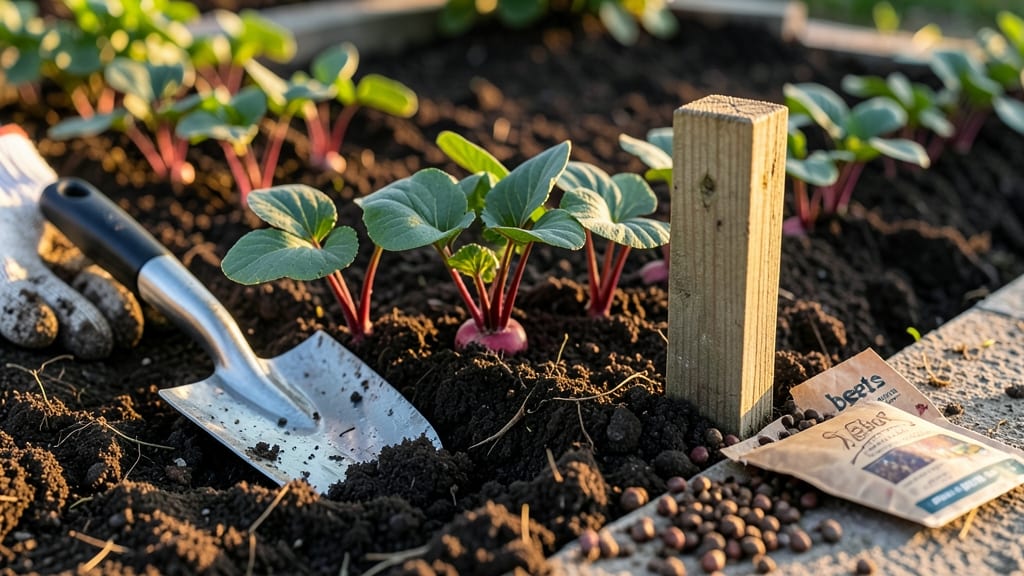
Knowing when to plant beets in North Carolina can mean the difference between sweet, tender roots and bitter, tough ones. The 🍠 thrives in NC’s mild climate, but timing is everything—especially with frost dates that shift from the mountains to the coast.
If you plant too early, your beets might bolt or taste sharp. Too late, and they’ll struggle before the first frost hits. The sweet spot? Early spring (March–April) and late summer (August–September) for two harvests—one in late spring and another in crisp fall.
But here’s the catch: NC’s 7a-8b zones have different microclimates. Coastal areas can plant a week earlier than the Piedmont, while mountain regions need to wait for warmer soil. I’ll break down the exact windows so you can avoid common mistakes and grow beets that taste like summer all year.
Ready to unlock two harvests a year? Let’s dive into the best planting strategies for your region—no guesswork, just results.
Best planting months for beets in North Carolina’s climate zones
North Carolina’s diverse climate—from the Coastal Plain to the Mountains—means your beet planting schedule should adjust based on your USDA Zone (typically 7b-8a). In Zone 7b, you’ll have slightly longer growing seasons, while Zone 8a gardeners can push planting later.
The key is to time your beet seeds so they sprout when soil temperatures hit at least 50°F and avoid late frosts that can damage tender seedlings.
For spring planting, aim to sow seeds 4-6 weeks before your last frost date—typically mid-March to early April in most of NC. In the Mountains (Zone 7b), start as early as late February if your soil isn’t frozen.
Meanwhile, Coastal areas (Zone 8a) can wait until early April without risking frost damage. The goal? Germination in cool but frost-free soil for sweet, tender roots.
Don’t overlook fall planting, which is just as productive. Sow seeds 8-10 weeks before your first frost (usually late August to early September).
This gives beets enough time to mature before cool nights in October slow growth. Mountain regions may need to plant by mid-August, while Coastal gardens can extend to early September. Fall-harvested beets often taste sweeter after exposure to mild frosts!
Here’s a quick region-by-region breakdown to simplify your planning:
| Region | USDA Zone | Spring Planting | Fall Planting | Key Tip |
|---|---|---|---|---|
| Coastal Plain | 8a | Early April | Early September | Use row covers for extra warmth |
| Piedmont | 7b-8a | Mid-March to April | Late August | Test soil temp before planting |
| Mountains | 7b | Late February | Mid-August | Extend season with cold frames |
Soil temperature is your best friend when planting beets. Use a soil thermometer to confirm readings of 50-70°F—too cold, and seeds won’t germinate; too hot (above 85°F), and they’ll bolt. In NC’s unpredictable springs, watch for warm spells in February or March. If soil is workable but cold, cover seeds with a light mulch (like straw) to retain heat until germination.
Another pro tip: Succession planting every 2 weeks in spring and 3 weeks in fall ensures a continuous harvest. For example, plant a second batch in early May (after your first harvest) to keep beets coming through summer’s heat.
Just remember—beets hate extreme heat (above 80°F), so avoid planting in June or July unless you’re using shade cloth to protect seedlings.
Cold-hardy varieties like ‘Detroit Dark Red’ or ‘Golden’ thrive in NC’s climate, but hybrids like ‘Ruby Queen’ offer disease resistance. If you’re in Zone 7b, consider overwintering beets by planting in late summer and harvesting before hard frosts (below 25°F). A thick mulch of leaves or straw can protect roots through winter’s chill for an early spring harvest!
Timing isn’t just about months—it’s about moon phases too. Planting during the waxing moon (when the moon is growing) is said to boost root development. Pair this with well-drained soil and full sun, and you’ll grow sweet, plump beets all season long.
Just remember: Patience is key—beets take 50-70 days to mature, so plan ahead!
🌱
Best planting months for beets in North Carolina’s climate zones
North Carolina’s diverse climate—from the Coastal Plain to the Mountains—means beet planting times vary by USDA Zone (7b-8a).
In the warmer Coastal Plain (Zone 8a), you can start as early as mid-February, while mountain gardeners in Zone 7b should wait until late March to avoid frost damage.
The key is planting when soil temperatures reach 50°F (10°C), which typically aligns with late March to early April for most regions.
For a fall harvest, aim to sow seeds between mid-August and early September. This timing ensures beets mature before the first frost, usually arriving in late October to mid-November in North Carolina.
Fall-planted beets often develop sweeter flavors due to cooler temperatures, making them a favorite for autumn gardens.
| Region | USDA Zone | Spring Planting Window | Fall Planting Window | Soil Temp Requirement |
|---|---|---|---|---|
| Coastal Plain | 8a | Mid-February to April | Mid-August to early September | 50°F (10°C) |
| Piedmont | 7b-8a | Late March to early April | Late August to mid-September | 50°F (10°C) |
| Mountains | 7b | Late March to April | Late August to early September | 50°F (10°C) |
If you’re unsure about frost dates in your area, use the 50°F soil temperature rule as your guide. Insert a soil thermometer 2 inches deep—when it consistently reads 50°F or warmer, it’s time to plant. This method works across all NC regions and eliminates guesswork about frost risk.
For gardeners in Zone 8a, you can even try an early spring planting in February under row covers to jumpstart growth. Just be prepared to remove covers during the day to prevent overheating.
In cooler mountain zones, wait until after the last frost (usually mid-April) to avoid stunted growth.
Pro tip: Plant baby beets (like 'Babybeat' or 'Detroit Dark Red') in late May or June for a summer harvest. These varieties mature in just 45-50 days, making them perfect for filling gaps in your garden’s planting schedule.
Always choose cold-hardy varieties like 'Red Ace' or 'Golden' for fall plantings—they tolerate cooler temperatures better than standard types. Pair your beet seeds with radishes (which mature faster) to mark rows and save space in your garden layout.