
Plants
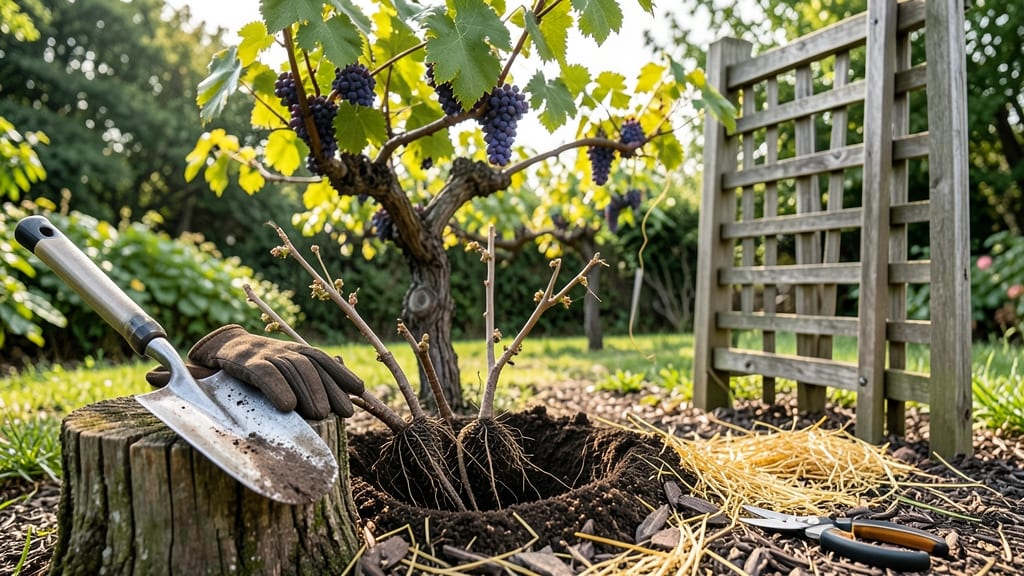
Timing your grape planting in Kentucky isn’t just about the calendar—it’s about matching your vines to the state’s unique chill-hour requirements and frost patterns. With USDA zones 6a-7a bringing cold winters and hot summers, getting the window right means the difference between a thriving 🍇 vine and a struggling one.
Most Kentucky gardeners plant grapes in late winter to early spring, but the real secret lies in chill-hour accumulation. Varieties like Norton need 600+ hours of temperatures below 45°F to break dormancy properly—something Kentucky’s climate delivers in spades.
Plant too early, and you risk frost damage; too late, and your vines won’t establish roots before summer heat hits.
In this guide, I’ll break down the exact planting windows for Kentucky’s climate, including how to prep soil, choose the right varieties, and avoid common pitfalls like late frosts or poor drainage.
Whether you’re a backyard grower or a small-scale farmer, these tips will help you set your 🍇 vines up for a successful harvest from August to October.
Ready to get started? Let’s dive into the step-by-step timing and care tips that’ll turn your Kentucky garden into a grape-growing powerhouse.
Kentucky grape planting timeline: chill-hours and hardiness zones
Kentucky’s USDA hardiness zones 5–8 and chill-hour requirements (400–1,000+ hours) dictate the perfect window for planting grapes. Unlike warmer climates, Kentucky’s cold winters are essential for grapevines to enter dormancy and set fruit properly. Missing this timing can lead to poor yields or no harvest at all.
Most grape varieties thrive when planted during late winter dormancy or early spring bud break. This ensures vines establish roots before Kentucky’s unpredictable late spring frosts (often around March 15). Fall planting is riskier but possible if you choose cold-hardy varieties and protect young vines from winter extremes.
Here’s how Kentucky’s regional microclimates affect planting:
- Northern Kentucky (e.g., Louisville): Cooler winters (zone 6a) favor higher chill-hour varieties like Norton or Concord.
- Central Kentucky (e.g., Lexington): Zone 6b–7a supports moderate chill-hour grapes like Cabernet Franc or Traminette.
- Southern Kentucky (e.g., Paducah): Warmer zone 7b–8a suits low-chill varieties like Muscadine or Chardonnay.
Always verify your grapes’ chill-hour needs against Kentucky’s average 600–900 chill hours per year. For example, Norton needs 800–1,000 hours, while Traminette requires only 400–600 hours. Mismatching can stunt growth or prevent fruiting entirely.
🌱 Key Takeaway: Plant bare-root vines in late winter (February–March) or container-grown vines in early spring (April) to align with Kentucky’s frost-free timeline. Avoid planting in fall unless you’re experienced with winter protection.
| Planting Window | Best Months | Chill-Hour Range | Kentucky Variety Examples |
|---|---|---|---|
| Late Winter Dormancy | February–March | 800–1,000+ hours | Norton, Concord, Cabernet Franc |
| Early Spring Bud Break | April | 400–600 hours | Traminette, Chardonnay, Muscadine |
| Fall (Risky) | October–November | 600–900 hours | Marquette, Frontenac |
🌡️ Pro Tip: Use a chill-hour calculator (like the University of Kentucky’s Ag Weather Center) to match varieties to your exact location.
If you’re planting in spring, aim for 4–6 weeks before Kentucky’s last frost date (typically March 15). This gives roots time to establish before soil warms. For fall planting, choose cold-hardy varieties like Marquette and plant 6–8 weeks before first frost (around November 15).
Kentucky’s humid summers and late frosts can stress young vines, so timing is critical. For example, planting Norton in April risks frost damage to new shoots, while planting it in February ensures it’s dormant and resilient. Always monitor local frost forecasts and adjust your schedule accordingly.
For container-grown grapes, you have slightly more flexibility. Plant containerized vines in May if bare-root planting isn’t feasible, but expect slower establishment. Containers also help manage Kentucky’s heavy clay soils by improving drainage.
Finally, consider local nursery recommendations. Kentucky-based nurseries like Kentucky Wine Trail growers often stock varieties pre-adapted to your region’s chill hours. Ask for regionally tested vines to skip the trial-and-error phase.
🍇 Remember: The earlier you plant in dormancy, the stronger your vine’s root system will be by Kentucky’s first heatwave. Don’t wait until soil warms—cool roots are safer for young vines.
Step-by-step guide to planting grapes in Kentucky’s climate
Kentucky’s humid summers and late spring frosts demand precise timing when planting grapes. The best window is late winter to early spring, specifically February through April, when the soil is workable but before bud break.
This timing ensures your vines establish roots before Kentucky’s unpredictable frost dates (typically around March 15 in most regions).
For bare-root grapes, plant as soon as the ground thaws—usually mid-February to early March. If using container-grown vines, wait until late March or April to avoid transplant shock from early warmth.
Kentucky’s USDA zones 6a–7a mean chill-hour needs (400–1,000 hours) must align with your chosen variety to prevent winter dieback.
- 🌱 Test soil pH (aim for 6.0–7.0). Kentucky’s clay-heavy soils often need compost or sulfur to adjust.
- 🪴 Choose a sunny spot with 6+ hours of sunlight and well-draining soil. Avoid low areas prone to frost pockets.
- ✂️ Prune canes to 2–3 buds before planting. Soak bare-root vines in water for 2–4 hours to rehydrate.
- 💧 Dig a hole twice as wide as the root ball. Mix in organic matter (e.g., compost or aged manure).
- 🪣 Plant at the same depth as the graft union (if present). Space vines 6–8 feet apart in rows 8–10 feet apart.
- 🌿 Install a trellis immediately to support growth. Use T-posts or wire systems for vertical training.
- 🌧️ Water deeply after planting (1–2 gallons per vine). Mulch with straw or wood chips to retain moisture and suppress weeds.
Kentucky’s high humidity increases the risk of fungal diseases like powdery mildew. To combat this, apply a copper fungicide at planting and again in early summer. Additionally, prune for airflow by removing crowded canes and thinning fruit clusters to ½ inch apart during June or July.
After planting, monitor for late frosts by covering young vines with frost cloth if temperatures dip below 28°F. Kentucky’s variable weather means you may need to adjust watering—aim for 1–2 inches per week during spring and summer, but reduce in fall to harden off vines before winter.
A drip irrigation system helps deliver water efficiently without wetting foliage.
First-year vines focus on root and cane development, so avoid heavy fruiting. If buds form, remove them to redirect energy to establishing a strong root system.
By year two, you’ll see 2–4 feet of growth, and with proper care, your grapevine will thrive in Kentucky’s challenging but rewarding climate. Patience and precision now pay off with decades of harvests ahead! 🍇