
Plants
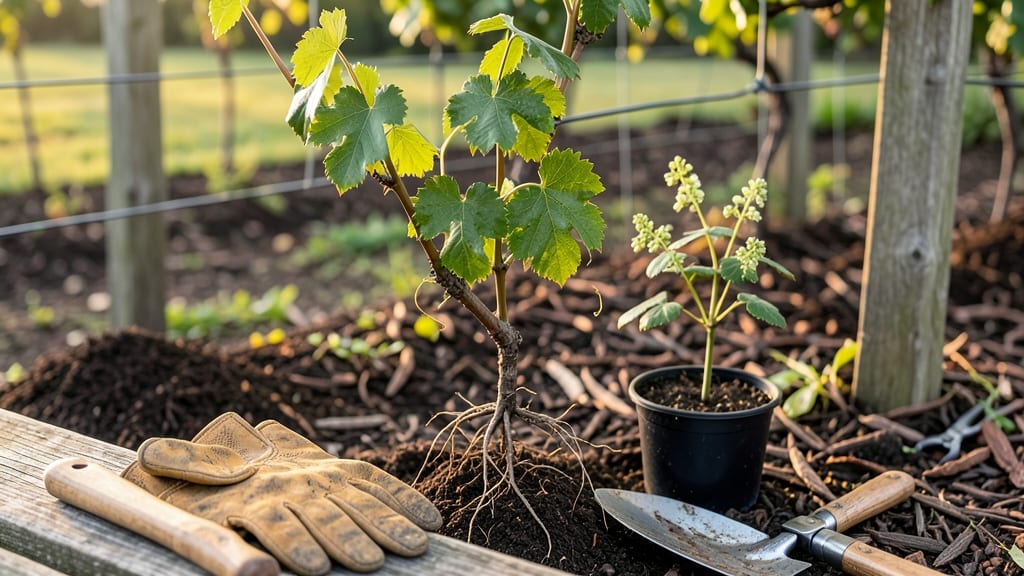
Planting grape vines in Georgia is all about timing—get it wrong, and your 🍇 vines might struggle with heat stress or poor root growth. The key lies in matching Georgia’s chill-hour zones (7b-8a) with the right planting window, whether you’re growing Muscadine or Vinifera varieties.
Most gardeners in Georgia plant grape vines in late winter to early spring (February-March) or fall (September-October), but the exact timing depends on your microclimate. Coastal areas with milder winters can plant later, while the Piedmont and mountains benefit from earlier starts to avoid summer heat.
I’ll break down the best planting months for each region, including soil prep tips and how to adjust for early or late seasons. Whether you’re working with bare-root or potted vines, this guide ensures your grape vines thrive from the start.
Ready to grow grapes that produce bountiful harvests? Let’s dive into the perfect planting schedule for your Georgia garden.
Georgia’s chill-hour zones: the critical factor for grape vine planting timing
Georgia’s diverse climate creates unique challenges for grape growers. Unlike northern states, we don’t have harsh winters, but our chill-hour requirements still dictate when to plant Muscadine vs. Vinifera varieties.
Muscadines thrive with 200-500 chill hours, while Vinifera needs 700-1,000+ hours. Planting at the wrong time can lead to heat stress or poor dormancy.
Georgia spans USDA Zones 7b-8a, with chill hours ranging from 300 in coastal areas to 1,000+ in the mountains. This variation means coastal growers can plant heat-tolerant Muscadines year-round, while mountain regions must time Vinifera planting carefully to avoid summer heat stress during root establishment.
Here’s how to match your grape variety to Georgia’s chill-hour zones for optimal planting success:
| Zone | Chill Hours | Best Varieties | Planting Window |
|---|---|---|---|
| Coastal (Savannah, Brunswick) | 300-500 | Muscadine (Scuppernong, Carlos) | Year-round (best: Feb-Mar or Sep-Oct) |
| Piedmont (Athens, Macon) | 500-700 | Muscadine (Black Beauty) or Hybrid (Norton) | Feb-Mar or Sep-Oct |
| North Georgia (Blue Ridge) | 700-1,000+ | Vinifera (Cabernet Sauvignon, Chardonnay) | Nov-Dec (bare-root) or Feb-Mar (potted) |
For Muscadine grapes, coastal growers can plant almost anytime, but spring (Feb-Mar) or fall (Sep-Oct) gives vines time to establish roots before extreme heat. In Piedmont regions, aim for late winter to avoid summer heat stress during root growth.
Vinifera varieties in North Georgia need cooler temperatures during dormancy. Plant bare-root vines in late fall (Nov-Dec) or potted vines in early spring (Feb-Mar). This timing ensures vines enter dormancy before summer heat arrives, preventing heat shock and improving survival rates.
Pro tip: Use USDA chill-hour maps (available from UGA Extension) to pinpoint your exact chill hours. For example, Athens (Zone 8a) averages 600 chill hours, making it ideal for hybrid varieties like Norton, while Savannah (Zone 8b) with 400 chill hours is perfect for Muscadines.
Always check your last frost date (typically March 15 in most of Georgia) to avoid planting too early. Coastal areas may have no frost, but heat waves can still stress young vines if planted in summer.
Remember: Fall planting (Sep-Oct) is ideal for most Georgia regions because it allows vines to establish roots before summer heat arrives. Just avoid planting when soil temps exceed 80°F, as this can cause root burn.
🌱
Best planting months by Georgia region: coastal vs. Piedmont vs. mountains
Georgia’s diverse climate means your planting window depends heavily on where you live. Coastal areas like Savannah enjoy milder winters, while the Piedmont (Athens) and mountains (Blue Ridge) experience cooler temperatures. I’ll break down the ideal planting months for each region to help you avoid heat stress or premature dormancy.
For coastal Georgia (USDA zones 8a-9a), focus on planting in late winter to early spring (February-March) or fall (September-October). The warmer climate allows for later starts, but avoid planting in peak summer heat. Muscadine varieties thrive here due to their heat tolerance.
In the Piedmont region (USDA zones 7b-8a), aim for late winter (February) or early fall (September). This balances cooler temperatures with enough growing season left for root establishment. Vinifera varieties can succeed here with proper chill-hour matching.
The mountain regions (USDA zones 6b-7a) offer the earliest planting windows—late winter (February) to early spring (March). Cooler nights and shorter summers mean fall planting is riskier due to early frosts. Prioritize cold-hardy varieties like Norton or winter-hardy Muscadines.
🌱 Georgia Planting Schedule by Region
-
🏖️ Coastal (Savannah, Brunswick)
Best Months: February-March or September-October
Pro Tip: Mulch heavily to retain moisture in summer heat -
🏙️ Piedmont (Athens, Macon)
Best Months: February or September
Pro Tip: Use drip irrigation to prevent fungal diseases in humid summers -
⛰️ Mountains (Blue Ridge, Helen)
Best Months: February-March (spring only)
Pro Tip: Plant on south-facing slopes for maximum sun exposure
Regardless of region, always plant grape vines when soil temperatures are above 50°F (10°C) and nighttime temperatures stay above 40°F (4°C). For bare-root vines, soak roots for 4-6 hours before planting to reduce transplant shock.
Adjust your schedule if you experience an early frost warning. Use row covers or black plastic mulch to protect young vines during unexpected cold snaps. With the right timing, your grape vines will establish strong roots and reward you with bountiful harvests year after year.
Need help determining your exact chill hours? Check the Georgia Climate Toolkit from UGA Extension for localized data tailored to your county.