
Plants
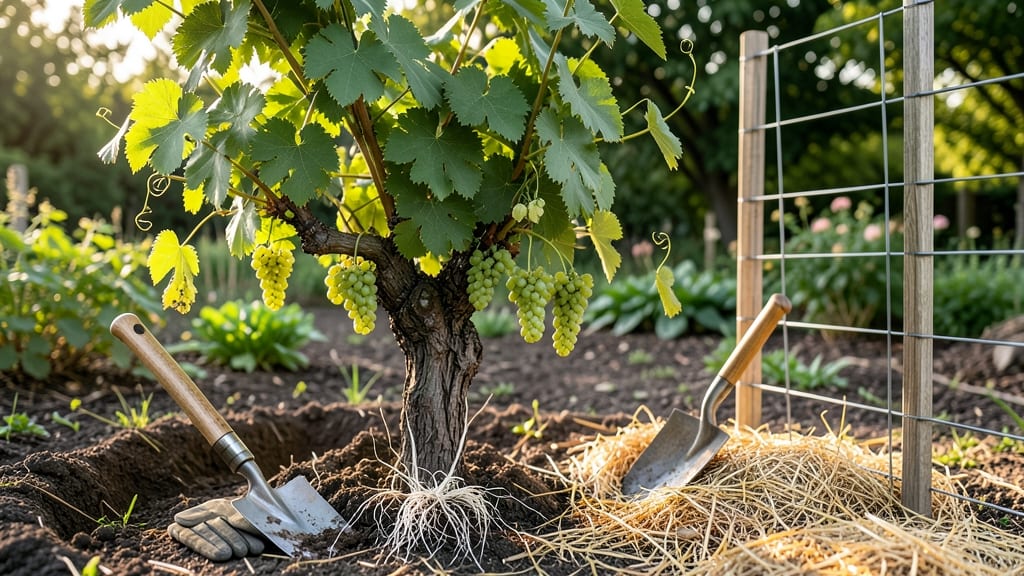
Planting grapes in Georgia at the wrong time could mean waiting another year for that sweet 🍇 harvest you're dreaming of. The key to success lies in understanding your region's microclimate and choosing the best window—whether it's the crisp air of late winter or the golden days of fall.
Georgia's diverse zones—from the humid Coastal Plain to the cooler Piedmont—create unique growing conditions. Bare-root vines and container-grown plants both thrive when planted during the ideal months, but timing matters more than you might think.
We'll break down exactly when to get your vines in the ground for maximum growth potential.
For muscadines and scuppernongs, fall planting offers a head start on root establishment before winter. Meanwhile, wine grapes often prefer the milder temperatures of early spring.
Whether you're planting in February or November, we'll cover soil prep, frost dates, and variety-specific tips to set you up for a bountiful harvest.
Let's dive into the perfect planting schedule for your Georgia grapevines—so you can enjoy fresh fruit (or wine!) sooner than you'd expect. The right timing could be the difference between a struggling vine and a thriving one that produces for years to come.
Best months to plant grapes in Georgia by variety
Georgia’s USDA zones 7a-8b create perfect conditions for growing grapes, but the best planting time depends on the variety and your region. For muscadines and scuppernongs, native to Georgia, fall planting is ideal, while wine grapes thrive with late winter or early spring planting.
Let’s break down the optimal windows for each type.
In Coastal Georgia (zones 8a-8b), where winters are milder, you can extend your planting window slightly later into November. However, Piedmont and Mountain regions (zones 7a-7b) require earlier planting to avoid late-season frosts, typically by October 15th. Always check your local last frost date—usually mid-March—to plan accordingly.
For bare-root vines, the best time is late winter (February-March), allowing roots to establish before summer heat. If you prefer container-grown plants, fall planting (September-October) works well, giving them time to root before dormancy. Always avoid planting during extreme heat or cold snaps, which stress young vines.
| Variety | Best Planting Months | Regions in Georgia | Soil pH | Notes |
|---|---|---|---|---|
| Muscadines | October–November (fall) or February–March (spring) | Coastal, Piedmont | 5.5–6.5 | Native to GA; drought-tolerant |
| Scuppernongs | September–October (fall) | Coastal Plain | 6.0–6.5 | Large, seedless fruit; needs well-draining soil |
| Wine Grapes (e.g., Cabernet Sauvignon, Chardonnay) | February–March (bare-root) or September (container) | Piedmont, Mountain | 6.0–7.0 | Requires trellis; sensitive to frost |
If you’re planting wine grapes like Cabernet Sauvignon or Chardonnay, prioritize February-March for bare-root vines. These varieties need time to establish roots before Georgia’s summer heat sets in. For container-grown vines, September planting allows roots to settle before winter dormancy.
In Mountain Georgia (zones 7a), plant by October 1st to avoid early frosts. Use black plastic mulch to insulate roots if planting late. For Coastal Georgia, extend planting to mid-November, but avoid planting after the first frost, which can damage tender roots.
Always choose a sunny, sheltered spot with 6+ hours of sunlight daily. Grapes hate wind, so plant near a fence or trellis for support. If your soil is clay-heavy, amend it with compost or sand to improve drainage—a critical factor for grapevine health.
Pro tip: Soak bare-root vines in water for 1-2 hours before planting to rehydrate roots. This simple step boosts survival rates by up to 30%. After planting, water deeply to settle soil around roots and reduce air pockets.
For organic gardeners, consider adding composted manure or worm castings to the planting hole. This improves soil structure and provides slow-release nutrients. Avoid fresh manure, which can burn young roots.
Remember, fall-planted vines enter dormancy naturally, while spring-planted vines start growing immediately. Both methods work, but fall planting often yields stronger root systems by spring. Choose based on your local climate and variety needs.
Best months to plant grapes in Georgia by variety
Georgia’s diverse climate—from the humid coastal plains to the cooler Appalachian foothills—means the best time to plant grapes varies by variety and region. For most grape types, including muscadines and scuppernongs, the ideal window is late fall (October-November) or early spring (February-March).
This timing allows vines to establish roots before summer heat or winter freezes stress them.
In Georgia’s coastal regions (Zone 8a-8b), like Savannah or Brunswick, you can plant as late as December for container-grown vines, thanks to milder winters. However, in the Piedmont (Zone 7b-8a), such as Athens or Macon, aim for October-November to avoid early frosts.
Mountain areas (Zone 7a) should stick to early spring planting (March) to prevent winter damage.
🍇 Georgia Grape Planting Guide by Variety
| Variety | Best Planting Months | Climate Notes | Soil Prep Tip |
|---|---|---|---|
| Muscadines | October–November (fall) or February–March (spring) | Thrive in Georgia’s heat; avoid late spring planting in Piedmont. | Amend clay soil with compost for drainage. |
| Scuppernongs | October–November (fall preferred) | Native to coastal Georgia; plant early to establish before summer. | Test pH (6.0–6.5); add lime if needed. |
| Wine Grapes (e.g., Cabernet Sauvignon) | February–March (spring only) | Cold-sensitive; plant after last frost in Piedmont/mountains. | Use raised beds in heavy clay soils. |
For bare-root vines, plant as soon as you receive them in fall or early spring. If using container-grown plants, you have slightly more flexibility—especially in coastal areas—but avoid planting when soil temps exceed 75°F, which can shock roots.
Always check your local USDA frost dates (e.g., Atlanta’s last frost is typically March 15), as late freezes can devastate young vines.
Pro tip: In Georgia’s hot summers, prioritize morning watering and drip irrigation to keep roots cool. Mulch with wood chips to retain moisture and regulate soil temperature. This is especially critical for wine grapes, which need consistent hydration to develop flavor.
If you’re planting in containers, choose large pots (15+ gallons) for muscadines or scuppernongs, as their roots spread widely. Place containers in full sun and move them to a sheltered spot if winds exceed 15 mph, which can damage tender vines.
Container-grown grapes also benefit from balanced fertilizer (10-10-10) applied in early spring.
Remember: The key to success in Georgia’s climate is timing + soil prep. Plant too early, and vines may sprout too soon, only to be damaged by cold snaps.
Plant too late, and they won’t establish roots before summer’s intensity. Aim for that sweet spot—when the ground is workable but the heat hasn’t peaked. 🌱