
Plants
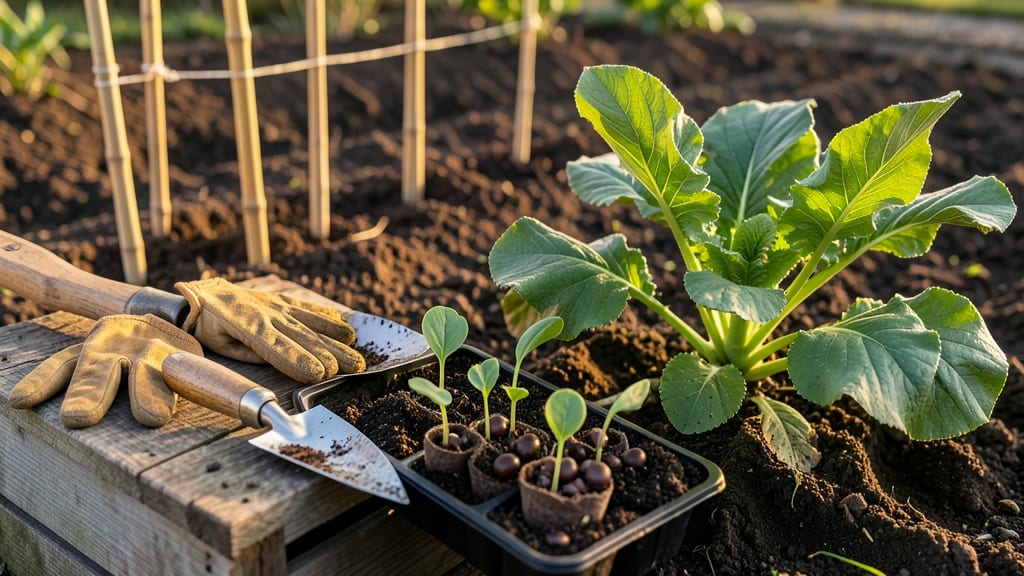
If you're wondering when to plant turnips in Georgia, timing is the secret to a bountiful harvest—especially in zones 7b-8b where mild winters meet hot summers. The key window runs from late summer to early spring, but getting it wrong can mean bolting plants or stunted roots.
Georgia’s climate gives you two prime chances: fall for a winter harvest and spring for early-season greens. Planting too early in spring risks heat stress, while waiting too late in fall might leave you with frost-damaged crops. Let’s break down the exact months and varieties that thrive in your region.
For fall turnips, aim to sow seeds 4-6 weeks before the first frost—typically between August and October. Spring plantings should start 2-3 months before your last frost date, usually in February or March. The right timing ensures sweet, tender roots instead of bitter, woody ones.
Ready to grow? I’ll share the best cold-hardy varieties and soil prep tips to maximize your turnip yield—no guesswork involved. Let’s get those 🥕 growing!
Best planting months for turnips in Georgia’s climate zones
Georgia’s USDA zones 7b-8a offer two ideal windows for planting turnips: late summer to early fall and early spring. These periods align with soil temperatures between 45°F and 75°F, which prevent bolting—the premature flowering that ruins root development.
In Georgia, that means aiming for August through September for fall harvests and February to early March for spring crops.
Timing is critical because turnips are cool-season crops. Planting too early in spring risks frost damage, while late summer sowings can lead to heat stress or pest infestations.
The key is to sow seeds 4-6 weeks before the first frost (typically mid-November) for a fall harvest or 2-3 months before the last frost (usually mid-March) for spring.
For example, in Atlanta (Zone 7b), I plant my first batch in late August to harvest by October-November, then a second batch in February for a spring crop.
In Savannah (Zone 8a), the window extends slightly later—September for fall and March for spring—thanks to milder winters.
Here’s how to avoid common mistakes: Overheating soil in late summer can trigger bolting, while cold snaps in early spring may stunt growth. Use row covers or mulch to moderate soil temperatures and protect young seedlings.
In Zone 7b (e.g., Athens, Macon), prioritize August–September plantings to avoid early frost. For Zone 8a (e.g., Savannah, Brunswick), extend your window to late September for fall crops, as frost arrives later. Always check your local frost dates—the Georgia Climate Project provides updated forecasts for precise timing.
Pro tip: Use a soil thermometer to confirm temperatures. Turnips thrive when soil is 50°F–65°F at planting. If your soil runs hotter, opt for shade-cloth or late-afternoon shade to prevent bolting. I’ve had success with 30% shade cloth in July plantings to buy extra time before fall.
Another critical factor is succession planting. Instead of one massive sowing, space out seeds every 2–3 weeks from August to October. This ensures a steady harvest and reduces the risk of bolting all at once.
For example, I plant half my seeds in August, a quarter in September, and the last quarter in early October.
Finally, pest pressure varies by season. Fall plantings face fewer pests than spring, but cabbage worms and flea beetles may target young seedlings. Use row covers or neem oil as a preventive measure. In spring, aphids become more active—monitor plants weekly and act fast if you spot them.
By aligning your planting with Georgia’s cool-season windows and adjusting for local microclimates, you’ll maximize your turnip yield. Next, we’ll dive into the top 3 cold
Best planting months for turnips in Georgia’s climate zones
Georgia’s USDA zones 7b-8b offer two distinct windows for planting turnips: fall and spring. The key is avoiding extreme heat or frost, which can stress young plants. For fall harvests, start seeds 4-6 weeks before your first frost—typically between late August and early October.
This timing ensures roots mature before winter sets in.
Spring plantings should begin 2-3 months before your last frost date, usually in February or March. Waiting until April risks bolting (premature flowering) as temperatures climb. Georgia’s mild winters mean you can even experiment with winter sowing in protected beds, but avoid planting after mid-November.
Soil temperature is critical: turnips germinate best in 45-85°F soil. Use a soil thermometer to confirm readiness—especially in Georgia’s Piedmont region, where cooler nights can delay warming. In the Coastal Plain, warmer soils may allow earlier spring plantings.
In Northern Georgia (Zone 7b), aim for September 15-October 15 for fall plantings, while Southern Georgia (Zone 8b) can extend to October 30-November 15 with row covers. For spring, Zone 7b gardeners should start by March 1, while Zone 8b can wait until March 15.
Pro tip: Succession plant every 2 weeks in fall to stagger harvests. Use black plastic mulch in spring to warm soil faster and deter weeds. Always water deeply after planting to encourage strong root development—especially in Georgia’s sandy soils.
Timing isn’t just about months—it’s about microclimates. If your garden sits in a frost pocket, plant later in fall or use cold frames. Monitor local frost dates from the Georgia Climate Project for precise adjustments each year.