
Plants
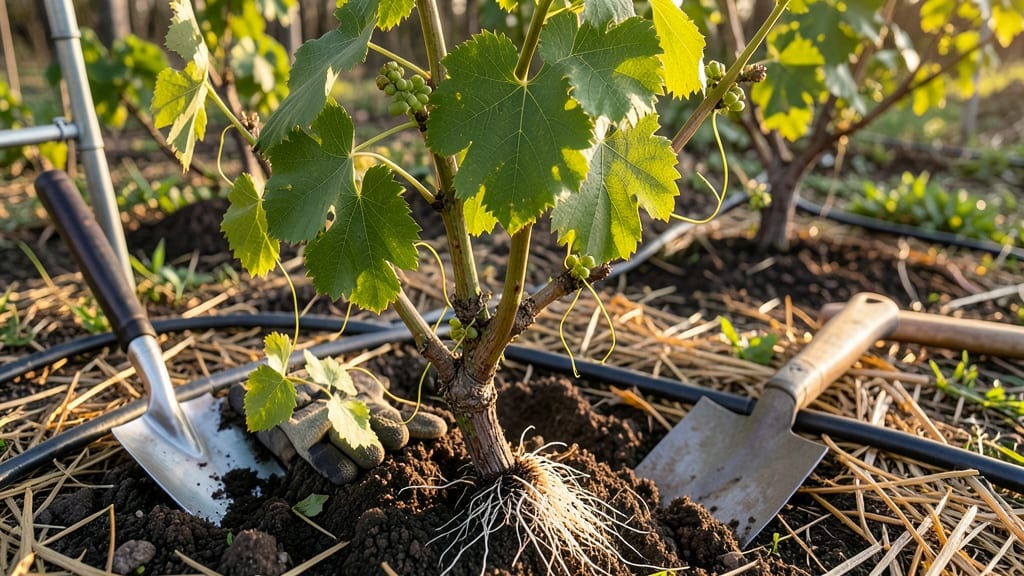
Timing your grape planting in Arizona isn’t just about the calendar—it’s about beating the heat before it beats your vines. With November through February as your sweet spot, you’ll give 🍇 grapes the cool-weather start they need to establish roots before summer’s scorching sun arrives.
Why does this matter? Planting outside these months risks heat shock, stunted growth, or even vine death. Arizona’s 9b climate demands precision—whether you’re in the low desert’s intense heat or the high desert’s cooler pockets.
I’ll break down the exact windows, soil prep secrets, and how to choose heat-tolerant varieties that thrive here.
You’ll also learn whether container planting or in-ground beds work better for your microclimate, plus critical deadlines to avoid frost damage. Skip the guesswork and plant with confidence—your future harvest depends on it.
Let’s dive into the step-by-step guide that’s helped Arizona gardeners grow lush, productive vines year after year. Your 🍇 grapes are waiting for the right moment—here’s how to make it happen.
Best months to plant grapes in Arizona’s climate zones (with exact dates)
Arizona’s USDA Zone 9b climate demands precise timing for grape planting—miss the window, and your vines face heat shock or poor establishment. The ideal planting window spans November through February, when cooler temperatures and minimal rain reduce stress on young plants.
This period aligns with the vine’s natural dormancy cycle, ensuring stronger root development before summer’s intensity.
For low desert regions (Phoenix, Tucson), aim for November 1st to January 31st—soil temperatures stay mild, and monsoon risks are low. In high desert areas (Flagstaff, Prescott), extend your window to October 15th to March 15th due to cooler nights and shorter growing seasons.
Both regions benefit from planting bare-root vines, which establish faster than potted varieties.
Soil preparation is critical. Test your soil’s pH (6.0-7.0 ideal) and amend with compost or aged manure to improve drainage.
Arizona’s alkaline soils often need gypsum or sulfur to balance pH. Work organic matter into the top 12 inches of soil to retain moisture—a must for surviving the first summer heatwave.
Heat shock is the #1 killer of newly planted grape vines. To prevent it, plant on overcast days or water deeply 24 hours before and after transplanting. Mulch with 3-4 inches of straw or wood chips to insulate roots and conserve moisture. Avoid planting during monsoon season (July-September), when sudden downpours can drown tender roots.
Container growing is a smart option for urban gardeners. Use 5-gallon pots minimum with drainage holes and fill with a mix of 50% potting soil, 30% perlite, and 20% compost.
Containers warm up faster than ground soil, so plant 2-3 weeks earlier than in-ground vines. Move pots to partial shade during 100°F+ days to prevent wilting.
Here’s your Arizona grape planting timeline by region, including key deadlines to avoid:
| Region | Best Planting Window | Soil Prep Deadline | Critical Avoid |
|---|---|---|---|
| Low Desert (Phoenix/Tucson) | Nov 1 – Jan 31 | Oct 15 (amend soil) | Monsoon season (July-Sept) |
| High Desert (Flagstaff/Prescott) | Oct 15 – Mar 15 | Sep 30 (amend soil) | Frost after March 15 |
| Urban Containers (Anywhere) | Oct 1 – Feb 15 | Sep 15 (potting mix) | Direct midday sun in summer |
Choose a south-facing location with 6+ hours of sunlight and protection from prevailing winds. Grapes need sturdy support—install a trellis or arbor before planting to avoid damaging roots later.
For dwarf varieties, use a 4-foot trellis; standard vines require 8-foot structures. Space vines 6-10 feet apart to allow airflow and reduce disease risk.
Watering schedules shift dramatically after planting. For the first 4 weeks, water every 3-5 days (deep soak, 2-3 gallons per vine). After establishment, reduce to every 7-10 days in winter and every 3-5 days during summer heat.
Drip irrigation is ideal—it delivers water directly to roots and minimizes evaporation. Avoid overhead sprinklers, which spread fungal diseases like powdery mildew.
Monitor your vines for heat stress signs: curled leaves, yellowing, or wilting despite moist soil. If temperatures exceed 105°F, provide shade cloth (30-50%) for young plants. Prune new growth by 50% in late spring to redirect energy to root development.
By summer, your vines should be 2-4 feet tall and ready to handle Arizona’s challenges.
🍇
Best months to plant grapes in Arizona’s climate zones (with exact dates)
Arizona’s two distinct microclimates—low desert (like Phoenix) and high desert (like Flagstaff)—dictate your grape planting window. In the low desert (USDA Zones 9b-11), temperatures stay mild from November through February, creating the perfect cool-season planting zone.
Meanwhile, the high desert (USDA Zones 7a-8a) can experience earlier frosts, so aim for October to early March to avoid winter damage.
Timing matters because bare-root vines need 4-6 weeks to establish roots before Arizona’s 100°F+ summers arrive. Planting too late risks heat shock, while planting too early exposes young vines to winter freezes. Let’s break down the exact windows for each zone.
| Zone | Best Planting Window | Soil Prep | Moisture Needs | Heat Avoidance Tip |
|---|---|---|---|---|
| Low Desert (Phoenix, Tucson) | November 1 – February 15 | Amend with compost; pH 6.0-7.0 | Deep water 2x/week post-planting | Use shade cloth for first 2 weeks |
| High Desert (Flagstaff, Sedona) | October 15 – March 1 | Add organic matter; test drainage | Water deeply 1x/week (less rain) | Mulch heavily to retain heat |
| Both Zones | Avoid March-April planting | Install drip irrigation | Monitor for fungal risks | Plant near windbreaks |
For container planting, the same windows apply, but use well-draining potting mix and 15-gallon pots minimum. Containers heat up faster, so bury the pot half-deep in the ground to stabilize temperatures.
My personal trick? Add perlite to the mix—it improves aeration and reduces root rot risks in Arizona’s intense summers.
Pro tip: Check local frost dates via the Arizona Cooperative Extension (they offer free soil tests too!). In Tucson, for example, the last frost is January 15, while Yuma rarely sees frost—so you can push planting to early March there.
Always err on the earlier side; grapes recover poorly from heat stress.
If you miss the winter window, potted vines can be planted in late summer (August-September), but they’ll need extra shade and daily watering until roots establish. This method works best for high desert areas where summers are slightly cooler. Just be prepared for slower growth until spring.
Remember: Bare-root vines are cheaper and establish faster, but potted vines give you flexibility. Whichever you choose, mulch heavily (3-4 inches of straw) to lock in moisture and protect roots from temperature swings.
With the right timing, your first harvest could come as early as June—just in time to beat the monsoon rains!