
Watering
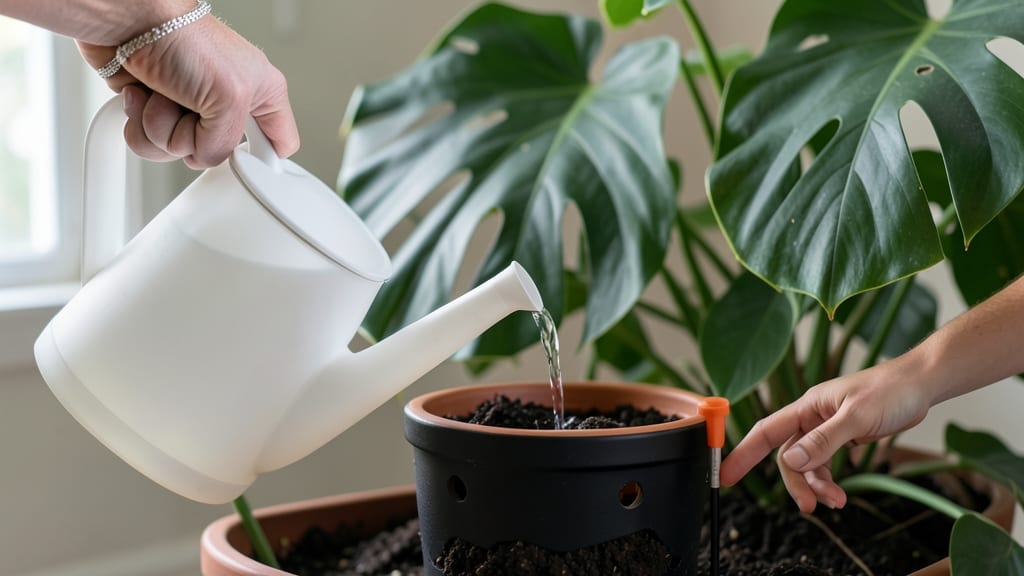
Figuring out how much water a Monstera plant needs can feel like solving a puzzle—too much and its roots suffocate, too little and its leaves turn crispy. But here's the secret: this tropical beauty thrives when you follow a simple rhythm that matches its natural environment.
I've learned the hard way that Monstera 🌿 plants hate soggy soil, yet they still need consistent moisture to develop those stunning fenestrations. The key is checking the top inch of soil—if it's dry, it's time to water; if it's damp, wait a few more days.
This method keeps your plant happy without guessing.
What you'll discover in this guide is exactly how often to water based on seasons, plus telltale signs your plant is either thirsty or drowning. We'll also cover pro tips like bottom-watering and adjusting for humidity, so you can grow a thriving Monstera that's the star of your space.
Whether you're a beginner or a seasoned plant parent, these watering strategies will transform your care routine. Let's get your Monstera growing lush and strong—without the trial and error.

Monstera watering schedule by season: exact frequency for healthy roots
Mastering your Monstera plant's watering schedule is like learning its seasonal mood swings. In spring and summer, growth explodes, demanding more frequent hydration, while fall and winter slowdowns mean you’ll water less.
The key? Matching your watering rhythm to your plant’s natural cycles—not a rigid calendar. Let’s break it down by season so you can keep those leaves lush and those roots breathing.
Your Monstera’s water needs shift dramatically with temperature and humidity. A young plant in a 6-inch pot drinks water faster than a mature one in a 12-inch container. Even the type of soil matters—well-draining mixes with perlite or orchid bark dry out slower than heavy garden soil.
Start by testing your soil’s moisture level with your finger: stick it 1-2 inches deep—if it feels dry, it’s time to water.
Visual cues are your best friends. Healthy Monstera leaves feel firm and slightly heavy, while thirsty plants have lightweight, crispy edges. Overwatered plants, though, reveal their struggle with yellowing leaves or mushy stems. Balance is everything, and the right schedule keeps your plant thriving without guesswork.
Adjust your watering schedule based on your home’s humidity levels. If your air feels dry—like in winter with indoor heating—your Monstera will thirst more than in a naturally humid summer. Place a hygrometer near your plant to track humidity; aim for 40-60%.
If it drops below 40%, increase watering slightly or use a pebble tray to boost moisture around the roots.
Pot size plays a surprising role. A smaller pot dries out faster, so water every 5-7 days in spring/summer, while a larger container holds moisture longer—stretch to 10-14 days between waterings.
Pro tip: If your Monstera’s leaves start curling or drooping, it’s often a cry for water, but always check the soil first—sometimes it’s overwatering in disguise.
Never water on a schedule without checking. Stick your finger in the soil—dry topsoil means it’s time, but soggy soil means wait. This simple test prevents root rot, the silent killer of Monsteras.
Pair this with well-draining soil (like a mix of potting soil, perlite, and orchid bark) to keep roots happy and healthy year-round.
Seasonal light changes also impact water needs. In bright indirect light, your plant grows faster and drinks more. Move it to a sunnier spot in summer? Increase watering by 1-2 days.
Shifting to a dimmer corner in winter? Reduce watering to match its slower metabolism. Observe your plant’s response—adjust, don’t assume.
One common mistake? Watering from above only. Instead, try bottom-watering—place your pot in a tray of water for 10-15 minutes to let roots absorb moisture evenly.
This mimics its tropical habitat and reduces leaf spot diseases caused by wet foliage. For extra care, mist the leaves weekly to replicate humidity from its rainforest home.
Remember, your Monstera’s water needs are a dynamic balance of season, pot size, and environment. Start with the schedule above, then fine-tune based on your plant’s signals. With patience, you’ll nail that perfect watering rhythm—and watch those stunning fenestrations appear like magic.
Monstera watering schedule by season: exact frequency for healthy roots
Monstera plants thrive on a consistent watering routine, but their needs shift dramatically with the seasons. In spring and summer, your plant enters its growth phase and drinks more water—think of it like a thirsty teenager!
Meanwhile, fall and winter slow down growth, so you’ll water less to avoid soggy soil. The key is checking soil moisture before watering.
I’ve learned the hard way that overwatering kills more Monsteras than underwatering. When roots sit in wet soil too long, they suffocate and rot. But don’t panic if you miss a watering—Monsteras are resilient.
Below, I’ve broken down the exact schedule, including how to test soil moisture and adjust for your home’s humidity.
| Season | Watering Frequency | Soil Moisture Test | Visual Cues |
|---|---|---|---|
| Spring | Every 7 days | Top 1-2 inches dry | Leaves perk up after water |
| Summer | Every 5-7 days | Top 1 inch dry | Drooping leaves by late afternoon |
| Fall | Every 10-14 days | Top 2-3 inches dry | Growth slows noticeably |
| Winter | Every 14-21 days | Top 3 inches dry | Leaves stay firm, no wilting |
For indoor Monsteras, humidity plays a huge role. If your home is dry (think 30% humidity or less), water your plant more frequently—even in winter. Place a tray of water near it or use a humidifier.
Outdoor Monsteras in containers dry out faster than those in the ground, so check soil moisture daily in peak summer heat.
Pro tip: Bottom-watering is my go-to method. Place your pot in a saucer of water for 10-15 minutes, then drain excess. This encourages roots to grow deeper and reduces the risk of fungal diseases.
I also avoid watering at night—wet leaves in cool temperatures can lead to bacterial spots or mildew.
If you’re unsure whether to water, lift the pot. A dry pot means it’s time to water; a damp one means wait another day. Monsteras store water in their leaves, so they’re surprisingly forgiving if you’re slightly inconsistent.
Just avoid letting the soil dry out completely for more than 2-3 weeks, or you’ll see brown, crispy leaf edges.
Remember, seasonal adjustments are everything. What works in July won’t cut it in January. Pay attention to your plant’s cues—it’ll tell you exactly what it needs! 🌿