
Plants
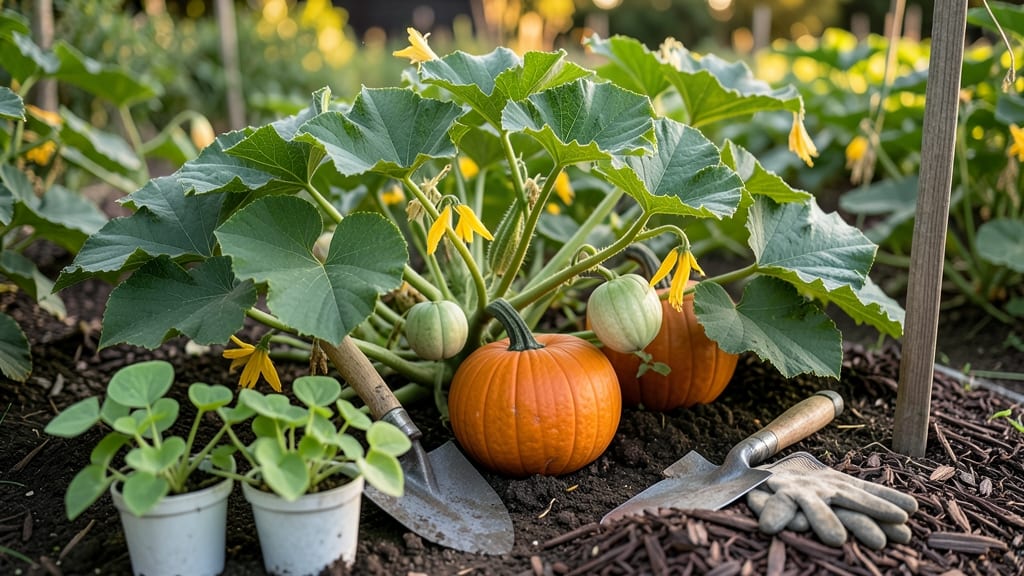
Timing your pumpkin planting in Washington State could mean the difference between a bountiful harvest and a frost-killed crop. With the state's diverse climate—from the damp Pacific Northwest to the dry eastern plains—getting those seeds in the ground at the right moment is critical for success.
Most gardeners in Washington State aim to plant pumpkins 🎃 between late April and early June, after the last frost date. But the exact window depends on your region—whether you're in the cooler Puget Sound area or the warmer Columbia Basin.
Plant too early, and frost will nip your seedlings; too late, and your pumpkins won’t mature before winter.
In this guide, I’ll break down the ideal planting schedule by region, including soil temperature thresholds and microclimate adjustments. You’ll also learn how to choose the right pumpkin variety for your zone and avoid common mistakes that ruin harvests.
Ready to grow those giant, thriving pumpkins? Let’s dive into the exact timing and techniques you need for a zero-frost success this fall.
Optimal pumpkin planting months in Washington State by climate Zone
Washington State’s three distinct climate zones—Western WA’s cool, wet Pacific Northwest, Eastern WA’s hot, dry desert, and high-elevation areas—dictate wildly different pumpkin planting windows. Ignoring these differences risks frost damage or stunted growth.
Let’s break down the exact months to plant by region, using last frost dates and soil temperature thresholds of 60°F+ for germination.
For Western Washington (USDA Zones 6b-8a), including Seattle, Olympia, and the Puget Sound, the last frost date typically falls between mid-April and early May. This means your ideal planting window is late April to early June.
If you’re in Zone 7 or 8 (e.g., San Juan Islands), you can start as early as late March under row covers to extend the season.
In Eastern Washington (USDA Zones 5b-7a), like Spokane, Wenatchee, or Yakima, the climate is drier and warmer earlier. Here, the last frost date ranges from mid-April to early May, but soil warms faster.
You can plant as early as late March in Zone 7 or early April in Zone 5, giving you a longer growing season for giant varieties like ‘Atlantic Giant’.
High-elevation areas (e.g., Cascade foothills, Mount Rainier region) have shorter growing seasons and cooler soils. Plant no earlier than mid-May to avoid frost damage. Use black plastic mulch to warm the soil and transplant seedlings instead of direct sowing for faster establishment.
⚠️ CRITICAL: Always check your local last frost date using the USDA Plant Hardiness Zone Map or your local Cooperative Extension office. A 5-day average soil temperature of 60°F+ is non-negotiable for pumpkin seeds to germinate.
| Region | USDA Zone | Last Frost Date | Ideal Planting Window | Soil Temp Threshold | Key Tip |
|---|---|---|---|---|---|
| Western WA (Seattle, Olympia) | 6b-8a | Mid-April to early May | Late April to early June | 60°F+ | Use row covers for early starts |
| Eastern WA (Spokane, Yakima) | 5b-7a | Mid-April to early May | Late March to early May | 55°F+ (warms faster) | Plant early for giant varieties |
| High Elevation (Cascades, Mount Rainier) | 5b-6a | Early to mid-May | Mid-May to early June | 65°F+ (cooler soils) | Use black plastic mulch |
If you’re growing fast-maturing varieties like ‘Jack Be Little’ (75 days), you can push the planting window slightly later—even into early July in Zone 8. But for long-season giants (100+ days), stick to the earliest possible window to avoid first frost in late September or October.
For Western WA’s damp climate, prioritize well-draining soil and adequate spacing to prevent powdery mildew. In Eastern WA’s dry heat, mulch heavily to retain moisture and protect roots. Both regions benefit from companion planting with marigolds or nasturtiums to deter pests like squash bugs.
Pro tip: Test your soil in early spring. Washington’s clay-heavy soils (especially in Western WA) need compost or aged manure to improve drainage. Aim for a pH of 6.0-6.8—pumpkins thrive in slightly acidic to neutral soil.
🎃
How to adjust planting dates for early vs. late varieties in WA’s short growing season
Washington State’s growing season is short—especially in cooler zones like the San Juan Islands or Cascade foothills. That means choosing the right pumpkin variety and adjusting planting dates is non-negotiable for a successful harvest.
Fast-maturing varieties like ‘Jack Be Little’ (75-80 days) can handle early starts, while long-season giants like ‘Atlantic Giant’ (120+ days) need a head start to avoid frost.
In USDA Zone 6b-7a (most of Western WA), aim to plant fast varieties by mid-May to ensure harvest before the first frost. For long-season varieties, start seeds indoors in late March and transplant after the last frost (typically mid-May).
In Zone 8a+ (Columbia Basin, Yakima Valley), you can plant later—even early June—for slower varieties.
Here’s how to time it perfectly: Use a 4-6 week head start for transplants in colder areas. For example, if your first frost is October 15, count backward from your variety’s days to maturity to determine the latest safe planting date.
In Zone 5b (high elevations), this might mean planting by late April for early varieties only.
- Early Varieties (75-90 days): Plant late April–mid-May in all zones. Ideal for Puget Sound and mountain regions.
- Mid-Season Varieties (90-100 days): Plant mid-May–early June. Best for Western WA and Cascade foothills.
- Long-Season Varieties (100+ days): Start indoors late March or plant early May in Zone 8a+ only.
- Transplanting Tip: Harden off seedlings for 7-10 days before moving outdoors to avoid shock.
- Extending the Season: Use row covers or black plastic mulch to warm soil in cooler zones.
For microclimates like the San Juan Islands or Methow Valley, consider succession planting every 2 weeks for a staggered harvest. In Eastern WA’s hotter zones, you can push planting dates later—even early June—but monitor soil moisture closely to prevent heat stress.
Always check your local last frost date (available via WA State University Extension) to fine-tune your schedule.
Pro tip: If you’re growing ‘Cinderella’ or ‘Howden’ (both 90-100 days), plant them in early May in Zone 7a for a reliable harvest. For ‘Giant Canadian’ (120+ days), start seeds indoors in March and transplant after the last frost. This way, you’ll maximize your growing window without risking frost damage.
Remember, soil temperature matters just as much as air temperature. Pumpkin seeds need soil that’s at least 60°F to germinate. Use a soil thermometer to confirm readiness—especially in cooler microclimates.
If your soil is too cold, wait a few days or use black plastic mulch to warm it up faster.