
Plants
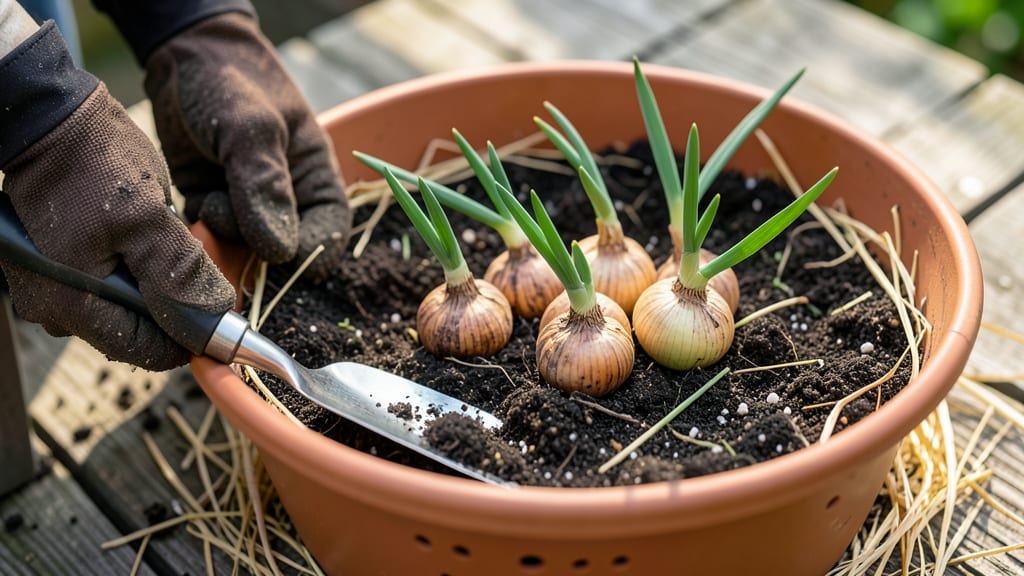
Timing when to plant gladiolus bulbs in Colorado isn’t just about following a calendar—it’s about outsmarting the state’s infamous freeze-thaw rollercoaster.
Plant too early, and your bulbs might still be napping when Jack Frost pays a surprise visit; too late, and you’ll miss the 90-day bloom window that turns your garden into a summer showstopper.
Most Colorado gardeners swear by mid-April to mid-May as the sweet spot, but your elevation and microclimate can shift that window by 2-3 weeks.
Whether you’re in Denver’s Zone 5-6 or the Western Slope’s higher altitudes, knowing when the soil hits that magic 50°F threshold is the real game-changer for survival and stunning blooms.
Here’s the secret: even experienced growers sometimes break the rules. We’ll dive into why late summer planting (yes, August!) can actually work in Colorado’s climate—and how to protect your bulbs from those 30°F nights that sneak in by October.
Ready to grow Gladiolus that thrive year after year? Let’s decode the science behind soil warmth, frost dates, and the 3 hardiness hacks that’ll keep your bulbs blooming like pros—no matter what Colorado throws at them.
Colorado gladiolus planting calendar: spring warmth thresholds by elevation
Colorado’s variable elevation and chilly nights demand precision when planting gladiolus bulbs. Unlike tender tropical plants, glads thrive once soil warms to 50°F consistently—a threshold that arrives 2-4 weeks later in high-altitude areas like Aspen (8,000 ft) than in Denver (5,280 ft).
Most Colorado gardeners aim for mid-April to mid-May, but your exact window hinges on microclimate and last frost dates. For example, Fort Collins typically waits until May 1, while Colorado Springs can start as early as April 15.
Use your local CoCoRaHS station or Almanac frost calculator to pinpoint your zone.
Here’s the critical rule: Never plant gladiolus bulbs until soil temperature at 4-inch depth stays above 50°F for 5+ days. Cold soil triggers rot and fungal diseases—a common mistake in Colorado’s Zone 5-7 climate.
Test with a soil thermometer or wait for dandelions to bloom (a natural indicator).
🌱
| Elevation Range | Avg. Last Frost | Soil Warmth Threshold | Ideal Planting Window | Microclimate Tip |
|---|---|---|---|---|
| 3,000–5,000 ft (Denver, Fort Collins) | April 15–May 1 | 50°F (April 20–May 5) | April 25–May 15 | Urban heat islands warm soil faster; plant 1 week earlier. |
| 5,000–7,000 ft (Colorado Springs, Boulder) | May 1–May 15 | 50°F (May 1–10) | May 10–June 1 | South-facing slopes warm 2 weeks sooner. |
| 7,000–9,000 ft (Eagle, Telluride) | May 15–June 1 | 50°F (May 15–25) | May 25–June 15 | Use black plastic mulch to raise soil temp by 5–10°F. |
| 9,000+ ft (Aspen, Leadville) | June 1–June 15 | 50°F (June 1–10) | June 1–July 1 | Shorten season with early-blooming varieties like ‘Picasso’. |
Pro tip: Front Range gardeners can cheat the system by planting bulbs in containers and moving them to gardens after Memorial Day. This buys 2–3 weeks of head start for longer bloom seasons. Just ensure containers have drainage holes to prevent bulb rot.
For Western Slope areas (e.g., Grand Junction), soil warms 3–4 weeks earlier than the Front Range. Start testing soil in mid-April and plant by May 1 to avoid late-summer heat stress. Use shade cloth if daytime temps exceed 90°F during flowering.
If you’re in Zone 6 or 7 (e.g., Pueblo, Colorado Springs), consider early June planting for fall blooms. While less common, this extends your gladiolus season into September—just mulch heavily to protect bulbs from early frost. Varieties like ‘White Friendship’ handle this schedule best.
🌿
One common mistake is planting too early and having bulbs sprout then freeze. If your gladiolus shoots emerge and hit 28°F nights, they’ll blacken at the base.
To avoid this, use row covers or plant bulbs in warm microclimates like near south-facing fences or paved surfaces (which radiate heat).
For container growers, fill pots with a 50/50 mix of potting soil and perlite to improve drainage. Place containers in full sun and water when the top 1 inch of soil feels dry. This method works well for balconies in Denver or rooftop gardens in Boulder.
🌸
Fall planting hacks for Colorado’s harsh winters: when to break the rule
Most gardeners plant gladiolus bulbs in spring, but Colorado’s Zone 5-7 climate lets you experiment with fall planting for hardier growth. The key? Timing it right—late August to mid-September—when soil stays warm enough for root establishment but nights cool enough to avoid early sprouting.
Fall-planted bulbs develop stronger roots before winter, giving them a head start in spring blooms. This method works best in Denver’s microclimates where temperatures dip below freezing but don’t stay frozen for months.
Just be prepared to mulch heavily (4-6 inches of straw or leaves) to protect them from freeze-thaw cycles.
⚠️ CALLOUT WARNING ⚠️
- Early frost can kill tender shoots before roots establish
- Thaw cycles may cause rot if soil stays soggy
- Zone 4 areas (e.g., northern CO) need extra mulch or containers
Pro Tip: Use black plastic mulch in early fall to warm soil before planting.
For high-altitude gardens (above 7,000 ft), stick to container planting or bury bulbs 8-10 inches deep to insulate them. Varieties like ‘Green Star’ and ‘Picasso’ handle cold better than delicate hybrids, making them ideal for fall trials.
Test soil 2 weeks before planting—it should be 50°F+ at 4-inch depth. If temperatures fluctuate wildly, opt for spring planting instead. The trade-off? Fall-planted gladiolus often bloom 2-3 weeks earlier in summer, giving you a competitive edge in your garden’s timeline.
After planting, apply a 3-inch layer of straw mulch and top with clear plastic for extra insulation. Remove plastic in early spring to let sunlight trigger growth. This hack works best in sheltered spots (e.g., near south-facing fences) where cold air pools less.
Monitor for mouse damage—gladiolus bulbs are a winter snack for rodents. Scatter dried blood meal around planting areas to deter them. With the right timing and protection, fall-planted gladiolus can outperform spring bulbs in Colorado’s tough climate.