
Plants
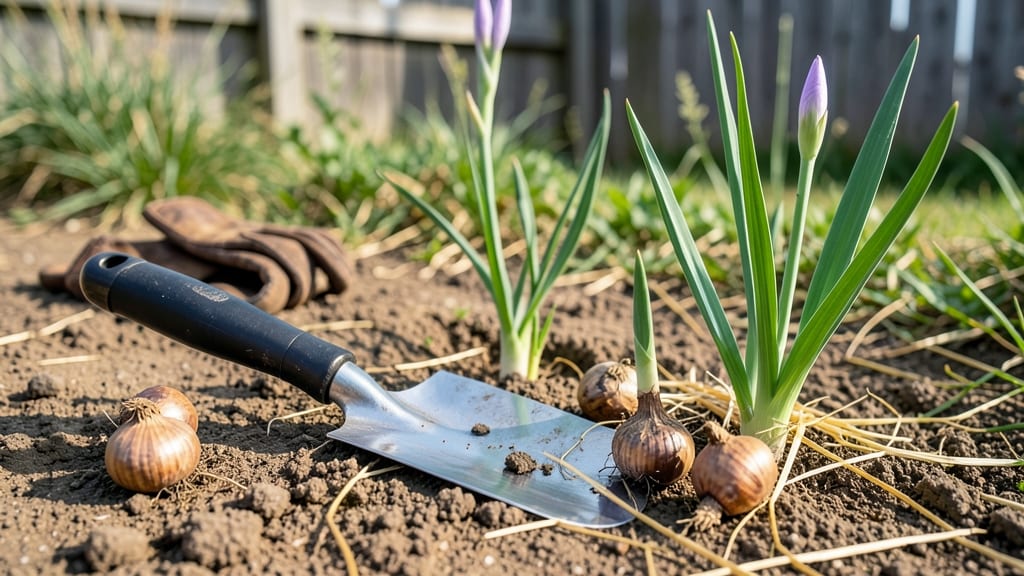
Timing the planting of your gladiolus bulbs in Georgia isn't just about getting them in the ground—it's about unlocking vibrant summer blooms that'll make your garden the talk of the neighborhood.
Miss that 6-week window before last frost, and you might end up with stunted growth or worse, no flowers at all.
Here's the deal: Georgia's 7b-8b climate gives you a narrow but critical window—typically between late February and early April—to plant these 🌸 showstoppers. But don't just grab your shovel and dig; soil temperature and frost risks play a huge role in whether your gladiolus thrive or struggle.
I've seen gardeners in Atlanta and Savannah make the same mistakes year after year—planting too early and risking frost damage, or waiting too long and missing the prime growing season. The key is understanding how to time it just right for your specific part of the state.
In this guide, I'll walk you through the exact steps to plant your gladiolus bulbs at the perfect time, from checking soil temperatures to adjusting for Georgia's microclimates. Let's get those bulbs in the ground the right way so you can enjoy stunning summer blooms all season long.
Georgia's exact 6-Week planting window for gladiolus bulbs
Gladiolus bulbs (or corms) thrive in Georgia's USDA Zones 7b-8b, but timing is everything to avoid frost damage or stunted blooms. The 6-week window before your average last frost date (typically March 15) is your golden opportunity.
Plant too early, and frost will kill tender shoots; too late, and you’ll miss peak summer blooms.
For most of Georgia, this means starting late February to early April. However, North Georgia (Zone 7b) has colder microclimates, while South Georgia (Zone 8b) can plant slightly earlier. Always check your local frost-free date—wait until soil temperatures hit 60°F (15°C) consistently for best results.
Here’s your planting timeline based on Georgia’s regions:
| Region | Planting Window | Soil Temp | Key Notes |
|---|---|---|---|
| North Georgia (Zone 7b) | Late March - Early April | 60°F+ | Wait for last frost; use row covers if early planting. |
| Central Georgia (Zone 7b-8a) | Early March - Mid-April | 58°F+ | Flexible window; aim for 6 weeks before July heat. |
| South Georgia (Zone 8b) | Late February - Early March | 55°F+ | Earliest window; avoid waterlogged soil in wet springs. |
⚠️ Pro Tip: Use a soil thermometer to confirm temps before planting.
Gladiolus corms need 6-8 weeks of warm soil to establish roots before blooming. Planting in late February (South Georgia) ensures flowers peak in July-August, while April plantings may bloom later but avoid early-season pests.
For extended blooms, try a second planting in early June. These late-season corms will flower in September-October, adding color as summer winds down. Just ensure they’re in the ground 8 weeks before first frost (usually by September 15).
One critical factor Georgia gardeners often overlook is soil drainage. Gladiolus hate soggy roots, so amend heavy clay soil with compost or sand to prevent rot. A raised bed works well in low-lying areas prone to spring floods.
After planting, mulch lightly with straw or pine needles to retain moisture and regulate soil temps. This is especially important in North Georgia’s cooler springs, where mulch can add 2-3°F warmth to the soil.
If you’re in a high-altitude area (e.g., Blue Ridge Mountains), push planting back to mid-April—frost risks linger longer, and soil warms more slowly. Always monitor your local weather forecasts for unexpected late frosts.
Finally, space corms 6 inches apart in rows 12 inches apart for airflow. Crowding leads to fungal diseases like botrytis, which thrives in Georgia’s humid summers. Stake tall varieties early to prevent wind damage during summer storms.
Georgia's exact 6-Week planting window for gladiolus bulbs
Georgia gardeners know timing is everything—especially when planting gladiolus bulbs. These dramatic summer bloomers need a precise 6-week window before your average last frost date (March 15 in most of Georgia).
Plant too early, and frost will damage tender corms; too late, and you’ll miss peak flowering in July and August. Let’s break down the exact window and what your soil needs to succeed.
For USDA Zones 7b-8b (covering most of Georgia), aim to plant gladiolus corms between late February and early April. This gives them time to establish roots before the heat of summer arrives. In North Georgia (Zone 7b), where frosts linger longer, wait until mid-to-late March.
Meanwhile, South Georgia (Zone 8b) gardeners can start as early as February 20th—just ensure soil temperatures are above 55°F.
🌱
📅 Georgia Gladiolus Planting Timeline
| Zone | Last Frost Date | Optimal Planting Window | Soil Temp Requirement |
|---|---|---|---|
| 7b (North GA) | March 15 | Late March - Early April | 55°F+ |
| 8a (Central GA) | March 1 | Late February - Mid March | 50°F+ |
| 8b (South GA) | February 15 | February 20 - March 10 | 55°F+ |
✅ Pro Tip: Use a soil thermometer to confirm temps—corms won’t sprout below 50°F.
Don’t let soil temperature fool you—even if air temps feel spring-like, cold ground can delay sprouting. Test your soil’s warmth by pressing a finger 2 inches deep.
If it feels cooler than your wrist, wait a few more days. Once planted, maintain consistent moisture until shoots emerge (usually 2-3 weeks after planting).
For extended blooms, consider a second planting in early June. This late-summer batch will flower just as summer wanes, giving you color through September. Just ensure your garden bed has well-draining soil—gladiolus hate soggy roots, which can lead to rot.
Amend heavy clay with compost or sand before planting.
Remember: gladiolus corms are not frost-hardy, so always plant after your average last frost date. Use local Almanac frost charts or set a reminder for March 15th as your cutoff. With this timing, you’ll enjoy stunning 4-5 foot spikes bursting with color from July through September.
🌿