
Plants
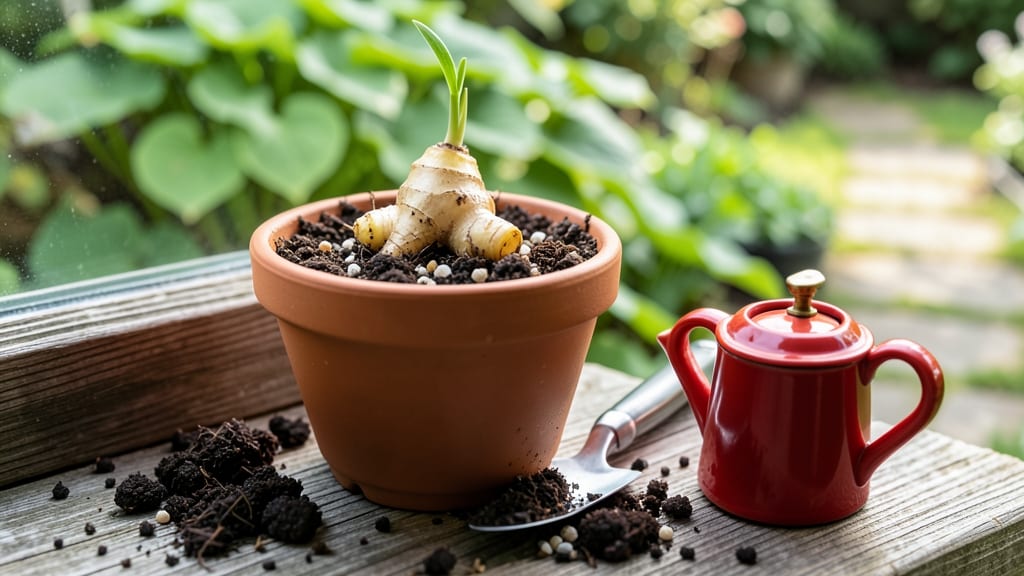
If you're dreaming of fresh, homegrown ginger 🌿 but live in North Carolina's unpredictable climate, timing your plant could make or break your harvest.
The key to success lies in understanding when to plant ginger in NC—because frost can wipe out tender rhizomes overnight, while waiting too long might leave you with stunted growth.
North Carolina's 7a-8b zones offer a narrow window where soil temperatures hit the sweet spot of 60-70°F—perfect for ginger roots to establish without stress.
I've seen gardeners in Raleigh rush planting in March only to lose everything to late frosts, while those in Asheville wait until May and miss the optimal growing season. Let's cut through the confusion and pinpoint the exact timing that works for your region.
You'll discover how to read your local frost dates like a pro, prep soil that ginger will love, and choose between rhizomes or seeds for the best results.
Whether you're growing in containers or garden beds, these insights will help you avoid common mistakes and maximize your harvest from October through November.
Ready to grow ginger that thrives in NC's climate? I'll walk you through the precise steps—from soil prep to planting depth—that make all the difference between a disappointing crop and a bountiful harvest. Let's get your ginger off to the right start!
Optimal soil temperature & frost-free planting windows for NC ginger
North Carolina’s diverse climate zones (USDA 7a-8b) mean ginger planting timing varies dramatically. The key to success? Waiting until soil temperatures hit 60-70°F—ginger rhizomes rot in cold soil. In most of NC, this means March-April for southern regions, but May-June for cooler mountain areas.
Frost is ginger’s biggest enemy—even a light freeze can kill emerging shoots. Use your last frost date as your deadline: Plant 2-3 weeks after the average last frost (typically mid-April in the Piedmont, late April in the mountains). Coastal areas can start as early as February if soil warms quickly.
Here’s the golden rule: Never plant ginger when nighttime temps drop below 55°F. Even hardened rhizomes struggle to establish roots in chilly conditions. Use a soil thermometer to confirm readiness—ginger won’t thrive until the ground stays warm consistently.
Microclimates matter! A south-facing slope warms faster than a north-facing valley, so adjust your timing accordingly. If your garden sits in a frost pocket, err on the side of planting later—ginger’s long growing season (10-12 months) gives you flexibility.
Ginger is a tropical perennial but behaves as an annual in NC. This means it won’t survive winter outdoors—you’ll harvest and replant each year. However, if you live in Zone 8b+ (coastal areas), you might get a second flush of growth in mild winters, but don’t count on it.
Pro tip: Use black plastic mulch to warm soil faster in cooler zones. Lay it down 3-4 weeks before planting to create a microclimate that mimics tropical conditions. This can push your planting window 2-3 weeks earlier in marginal zones like the western Piedmont.
Container growing extends your options. Pots warm up faster than soil, so you can plant 1-2 weeks earlier in containers. Just ensure they’re at least 12 inches deep—ginger rhizomes need room to spread horizontally.
Remember: Patience pays off. Ginger’s 10-12 month growth cycle means timing your planting right ensures a bountiful harvest in late fall—just as NC’s humidity peaks for flavor development. Don’t rush; wait for the soil to signal readiness with that perfect 60-70°F hug.
Step-by-step ginger planting timeline by NC region
North Carolina’s diverse climate means your ginger planting timeline should match your specific region. Whether you’re in the coastal plains, the piedmont, or the mountains, knowing the right steps ensures success. Let’s break down the exact timeline for each area, including soil prep and planting techniques.
For all regions, start by selecting healthy ginger rhizomes with multiple buds. Avoid using store-bought ginger—it’s often treated to prevent sprouting. Instead, source organic rhizomes from garden centers or online suppliers. Cut larger rhizomes into smaller pieces, ensuring each has at least 3-4 buds for optimal growth.
Here’s how to adapt your planting schedule based on your NC region:
| Region | Planting Window | Soil Prep (3-4 Weeks Before) | Planting Depth | Spacing |
|---|---|---|---|---|
| Coastal Plains (Zones 8a-8b) | March 15 - April 15 | Test soil pH (6.0-7.0); add compost | 2 inches deep | 6-8 inches apart |
| Piedmont (Zones 7a-7b) | April 1 - May 1 | Amend soil with aged manure; mulch | 2 inches deep | 8 inches apart |
| Mountains (Zones 6a-7a) | May 15 - June 1 | Use black plastic mulch to warm soil | 2-3 inches deep | 8-10 inches apart |
After planting, maintain consistent moisture—ginger hates soggy soil but needs steady watering. In the coastal plains, where humidity is high, focus on morning watering to prevent fungal diseases. In the mountains, where nights can be cooler, use mulch to insulate roots and retain warmth.
For container growing, use pots at least 12 inches deep with drainage holes. Place containers in a spot with partial shade and water more frequently than in-ground plants, as pots dry out faster. This method works well in urban areas or for gardeners with limited space.
Remember, ginger is a tropical plant that thrives in warmth. In NC’s cooler regions, consider growing ginger in containers and bringing them indoors before the first frost. With the right timing and care, you’ll harvest plump, flavorful rhizomes by fall—just in time for cooking or replanting!