
Plants
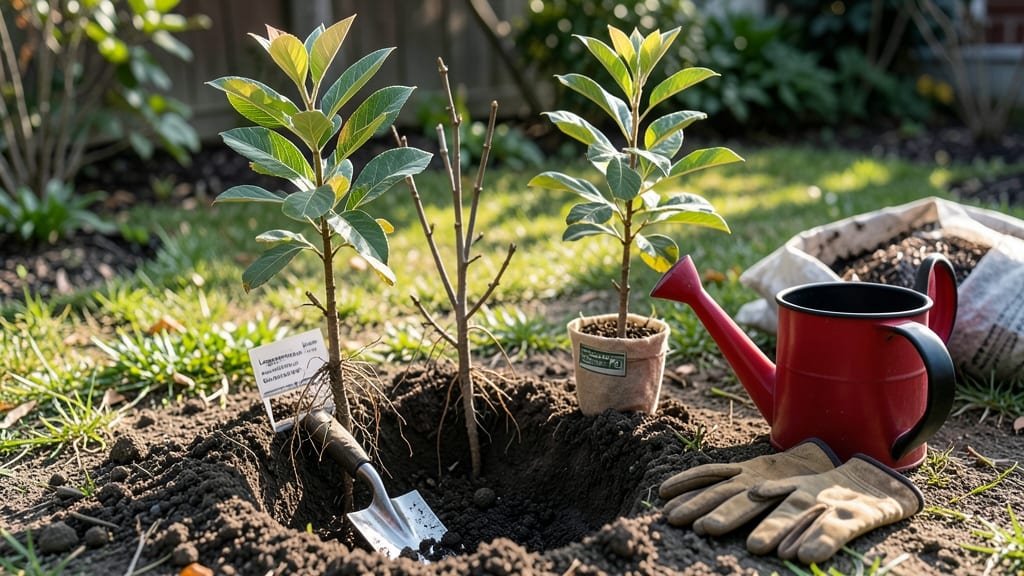
Planting your crepe myrtle 🌸 at the wrong time in North Carolina could mean the difference between a thriving tree and one that struggles to take root. The key to success lies in understanding the optimal windows when soil temperatures and frost risks align perfectly for strong growth.
For gardeners in USDA Zones 7b-8a, timing is everything—whether you're transplanting a young tree or starting from a container. Planting too early risks frost damage, while waiting too long may leave roots vulnerable before winter sets in.
In this guide, I’ll walk you through the best months to plant, how to prepare your soil, and why regional differences (like coastal vs. Piedmont climates) matter. You’ll learn exactly when to dig in for vibrant blooms and long-lasting resilience.
Let’s get your crepe myrtle off to the best possible start—because the right timing sets the stage for years of stunning fall color and minimal hassle.
Optimal planting windows for crepe myrtles in NC (Zone 7b-8a)
North Carolina’s USDA Zone 7b-8a climate creates a 6-8 week window for planting crepe myrtles, but timing directly impacts root growth and winter survival. In Zone 7b (Raleigh, Greensboro), aim for March 20–April 15 in spring or September 15–October 10 in fall.
For Zone 8a (Asheville, Charlotte), extend spring planting to April 15–May 1 and fall to October 10–November 1.
Crepe myrtles thrive when soil temperatures stay above 60°F for root establishment. In NC, this typically occurs by mid-March in Zone 8a and late March in Zone 7b. Planting too early risks frost damage to tender roots, while late planting may leave roots vulnerable before winter dormancy.
Fall planting offers a slight edge in NC because cooler temperatures reduce transplant shock and allow roots to establish before winter. However, avoid planting after October 15 in Zone 7b or November 1 in Zone 8a, as roots need 4-6 weeks to harden off before first frost.
For container-grown crepe myrtles, timing shifts slightly—plant 2-3 weeks earlier in spring or 1-2 weeks later in fall to account for slower root adaptation. Always check for leaf bud swell (a sign of dormancy breaking) before planting in spring.
🌱Pro Tip: Use a soil thermometer to confirm 60°F+ soil temps before planting. In NC’s Piedmont region, this often aligns with mid-April, while coastal areas (Zone 8a) may hit it by early April.
| Planting Window | Zone 7b (Raleigh) | Zone 8a (Asheville) | Soil Temp Requirement | Frost Risk |
|---|---|---|---|---|
| Spring Planting | March 20–April 15 | March 15–April 30 | 60°F+ | Moderate (late frosts) |
| Fall Planting | September 15–October 10 | October 1–November 1 | 55°F+ | Low (roots harden before frost) |
| Container Planting | March 1–April 30 | February 28–May 15 | 50°F+ | Higher (slower root zone warming) |
In coastal NC (Zone 8a), crepe myrtles can handle slightly later spring planting due to warmer microclimates. For example, Wilmington gardeners often plant until May 1 without frost concerns.
Conversely, mountain regions (Zone 7b) like Boone require earlier spring planting (by April 15) to avoid late frosts.
🌿Regional Tip: Piedmont areas (e.g., Greensboro) experience 10-14°F colder nights than coastal zones. Adjust planting dates 1-2 weeks earlier if your yard sits in a frost pocket. Use a frost calendar like NC State Extension’s to pinpoint local risks.
Mulching with 3-4 inches of wood chips after planting helps regulate soil temperature. In fall, this insulation extends the root-establishment window by 2-3 weeks, making late-October planting viable in Zone 7b. Avoid mulching too early in spring, as it can delay soil warming.
💡Science Note: Crepe myrtles native to southeastern US (their origin) evolved to thrive in humid, hot summers and mild winters. NC’s Zone 7b-8a mimics these conditions, but precise timing ensures roots avoid dormancy conflicts—planting in active growth phases (spring) or pre-dormancy (fall) maximizes success.
For bare-root crepe myrtles, plant as soon as possible after purchase—these roots dry out faster than containerized varieties. Soak bare roots in water for 1-2 hours before planting to revive them,
Optimal planting windows for crepe myrtles in NC (Zone 7b-8a)
North Carolina’s USDA Zone 7b-8a climate creates a perfect window for planting crepe myrtles, but timing matters. The ideal months are late March through April for spring planting and September through October for fall.
These windows align with soil temperatures of 60°F+, which kickstarts root growth without exposing young plants to frost.
Spring planting gives crepe myrtles a head start, allowing roots to establish before summer’s heat. Fall planting, however, offers a secondary advantage: cooler temperatures reduce stress, and roots grow steadily before winter dormancy. Both strategies work, but soil warmth is the non-negotiable factor—cold soil slows root development, leaving plants vulnerable.
Here’s the critical timeline for North Carolina gardeners:
| Season | Best Months | Soil Temp | Frost Risk |
|---|---|---|---|
| Spring | March–April | 60°F+ | Low (post-last frost) |
| Fall | September–October | 55°F+ | Moderate (pre-first frost) |
For Zone 7b (e.g., Raleigh, Greensboro), aim for March 20–April 15 in spring or September 15–October 10 in fall. In Zone 8a (e.g., Asheville, Charlotte), extend the window slightly earlier: March 1–April 10 or September 1–October 5.
Coastal areas like Wilmington can plant as early as February 15 due to milder winters.
Regional microclimates matter. In the Piedmont region, where nights dip colder, prioritize fall planting to avoid late-spring frosts. Coastal gardeners, however, can push spring planting into early April thanks to warmer maritime influences.
Always check your local last frost date—planting too soon risks frost damage to tender new growth.
Pro tip: Use a soil thermometer to confirm 60°F+ soil before planting. Cold soil = stalled roots. For container-grown crepe myrtles, spring planting is safer, as fall’s cooler temps can stress potted roots. If you must plant in November, choose a sheltered spot to protect against early frosts.
🌱