
Plants
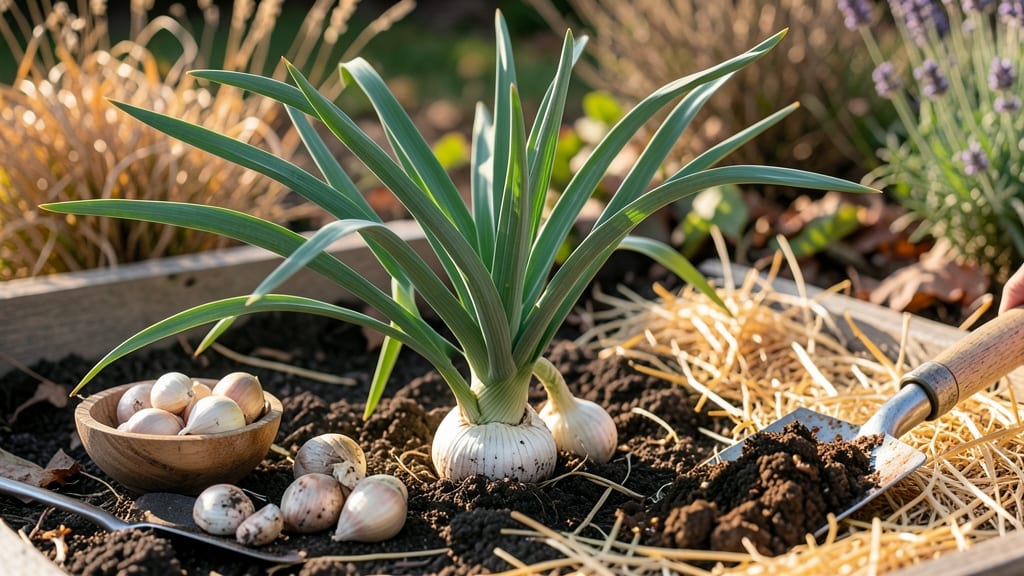
If you’ve ever wondered when to plant garlic in Zone 10a, timing is everything—especially when your winters are mild and summers scorching.
Unlike cooler climates where garlic thrives through frost, Zone 10a’s frost-free winters mean you’re racing against the clock to establish roots before summer heat forces your 🧄 into early bolting.
Planting too early risks weak bulbs, while waiting too long leaves you scrambling to avoid summer stress. The sweet spot? Fall, when temperatures dip just enough to mimic garlic’s natural dormancy cycle—but not so cold it shocks your cloves.
I’ll break down the exact window, soil prep secrets, and how to shield your crop from California’s relentless heat.
You’ll also discover how to spot the best varieties for your microclimate and avoid common mistakes that turn your harvest into a flop. Whether you’re a first-timer or a seasoned gardener, these tips will ensure your garlic grows bold, flavorful, and ready to harvest before summer peaks.
Let’s dive into the game-changer planting schedule that works for Zone 10a’s unique rhythm—no guesswork, just plump bulbs waiting for you next June.
Optimal planting windows for Zone 10a garlic: month-by-month breakdown
Zone 10a’s mild winters and extended growing season create unique challenges for garlic cultivation. Unlike cooler climates where garlic plants enjoy winter dormancy, Zone 10a’s warm temperatures can cause garlic to bolt prematurely or fail to form proper bulbs.
The key is planting during cooler fall months when temperatures average between 60°F and 70°F—ideal for root establishment before summer heat arrives.
Most gardeners in Zone 10a focus on fall planting (October-December) to take advantage of winter rains and cooler temperatures.
This timing allows garlic to establish roots and begin growth during the mild winter, then mature bulbs before summer heat peaks in June or July. Softneck varieties like Artichoke perform best in this climate, while hardnecks may struggle with bolting.
Here’s a month-by-month breakdown of the best planting windows, including temperature thresholds and regional adjustments for coastal areas vs. inland Southern California:
| Month | Ideal Planting Time | Temperature Range | Notes for Zone 10a |
|---|---|---|---|
| September | Early September (coastal) | 70°F–80°F | Best for inland areas; soil should be warm but cooling. |
| October | Prime window (all regions) | 65°F–75°F | Optimal for root growth; aligns with first winter rains. |
| November | Second-best window | 60°F–70°F | Cooler temps reduce bolting risk; plant before heavy rains. |
| December | Late planting (coastal only) | 55°F–65°F | Risk of slow growth; prioritize softneck varieties. |
| January | Avoid (high bolting risk) | 50°F–60°F | Plants may bolt prematurely; reserve for experimental trials. |
For coastal Zone 10a areas like Santa Barbara or San Diego, the ocean’s moderating influence extends the planting window slightly later into December. In contrast, inland regions such as Riverside or Palm Springs should plant by late October to avoid summer heat stress.
Always choose softneck varieties like Silverskin or Creole for better heat tolerance.
Timing isn’t just about months—it’s also about soil temperatures. Aim to plant when soil temps drop below 75°F at a 4-inch depth. Use a soil thermometer to monitor conditions, especially in microclimates where heat lingers longer. Mulching with straw after planting helps maintain even soil moisture and temperature.
One common mistake in Zone 10a is planting too late, which forces garlic to grow rapidly in spring—leading to small, pithy bulbs or bolting. Conversely, planting too early (e.g., August) risks heat stress before roots establish. The October–November window strikes the perfect balance for most gardeners in this zone.
Pro tip: If you miss the fall window, some gardeners attempt a spring planting in February using hardneck varieties like Rocambole, but yields are typically poor due to bolting. This method is only recommended for experimental purposes or small-scale trials.
🌱
How to adjust planting for Zone 10a’s unique climate challenges
Zone 10a’s mild winters and intense summer heat create unique challenges for garlic growers. Unlike cooler climates, garlic here doesn’t experience true dormancy, making timing and variety selection critical to avoid bolting or poor bulb formation.
Without frost to signal dormancy, your garlic needs alternative cues to mature properly before summer’s heat peaks.
One of the biggest risks is heat stress, which causes garlic to bolt prematurely—sending up a flower stalk instead of developing a bulb. To prevent this, focus on shade strategies and soil moisture management.
Mulching with straw or wood chips helps regulate soil temperature and retain moisture, while partial shade cloth (30-50%) can protect plants during the hottest months.
Variety selection is another key factor. In Zone 10a, softneck varieties like Artichoke or Silverskin often perform better than hardneck types, as they’re more heat-tolerant. Rocambole garlic, a hardneck variety, can also work if planted in cooler microclimates like coastal areas or higher elevations within the zone.
🌱Pro Tip: If you’re planting in September, choose larger cloves (1.5+ inches) for better heat resistance. Smaller cloves may struggle to establish strong roots before summer arrives.
⚠️ Avoid These Common Mistakes
- Planting too early: Garlic planted in August may sprout before winter rains, leading to weak roots and heat stress.
- Skipping mulch: Without mulch, soil temperatures can spike, causing garlic to bolt prematurely.
- Overwatering: Zone 10a’s humidity can lead to fungal diseases if soil stays too wet.
✅ Solution: Use drip irrigation in the morning and monitor soil moisture closely.
For coastal areas in Zone 10a, where temperatures are slightly cooler, you can push planting to early December. However, inland regions should aim for October planting to ensure bulbs mature before summer heat sets in.
Always test your soil’s drainage—garlic hates soggy roots, which are common in heavy clay soils typical of some Zone 10a areas.
Finally, monitor your garlic’s growth closely. If you notice flower stalks (scapes) emerging before April, it’s a sign your garlic is bolting due to heat or stress. Snip these off to redirect energy into bulb development, but be prepared to harvest earlier than usual to avoid heat damage.
With these adjustments, you’ll give your garlic the best chance to thrive in Zone 10a’s challenging climate—resulting in plump, flavorful bulbs ready for harvest just as summer begins. ☀️