
Plants
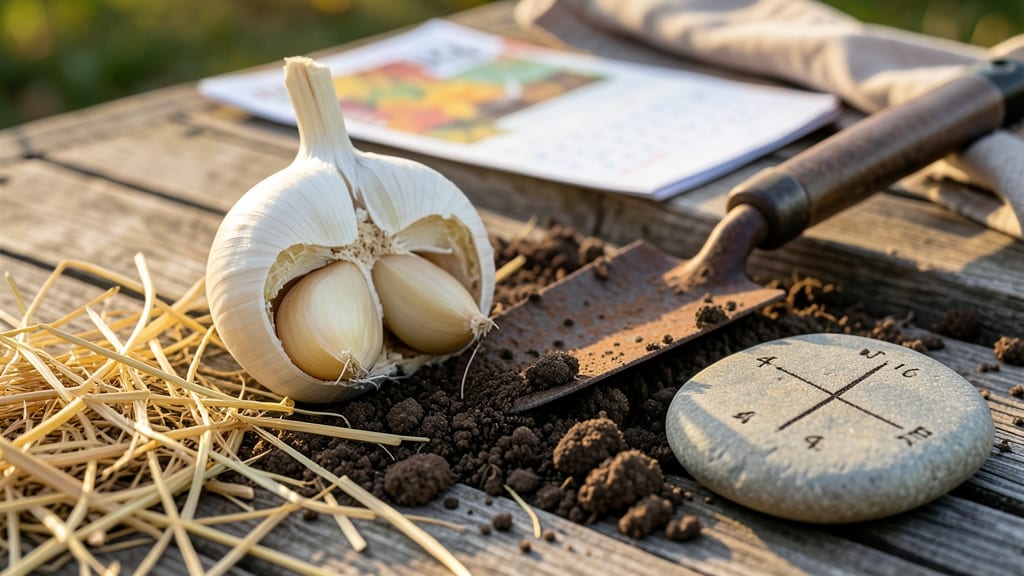
If you've ever wondered when to plant garlic in NH, the answer isn't just about the calendar—it's about outsmarting New Hampshire's tricky climate to grow the best 🧄 bulbs possible.
Planting too early or too late can leave you with weak, small cloves instead of the flavorful harvest you're dreaming of.
Here's the secret: hardneck and softneck varieties have different needs, and timing is everything in zones 5b-6a. The ideal window runs from mid-October through November, but knowing exactly why this timing matters—and how to adjust for NH's unpredictable weather—is what separates good gardeners from great ones.
I'll walk you through the precise planting schedule for both types, plus how to handle early frosts or late springs without sacrificing your harvest. With these strategies, you'll be well on your way to growing garlic that's not just hardy, but downright exceptional.
Let's dive into the details so you can confidently plant your garlic at the perfect moment—no guesswork required.
Best planting months for hardneck vs softneck garlic in New Hampshire
New Hampshire’s USDA Zones 3-5 create unique challenges for garlic growers, where hardneck and softneck varieties thrive under different conditions. The key to success lies in planting at the right time—4-6 weeks before the ground freezes—but the exact window varies between these two types.
Let’s break down the best months for each, so you can plan your fall planting with confidence.
For hardneck garlic, which produces those prized hardneck scapes and thrives in cold winters, the ideal planting window in NH is mid-October to early November. This timing ensures the cloves establish roots before winter dormancy, while still benefiting from NH’s cold winters (Zones 3-5) that hardnecks love.
Think of it as giving your garlic a head start on spring growth.
Softneck garlic, on the other hand, prefers milder winters and is less cold-hardy. In NH, it’s best planted late September to mid-October, allowing it to establish roots before the first hard frost.
If you’re in Zone 5a (southern NH), you might even squeeze in a late-October planting, but avoid pushing it too close to winter.
Here’s the comparison table to visualize the differences at a glance:
Why does this timing matter so much? Hardneck garlic relies on vernalization—a chilling period—to trigger bulb formation. Planting too early (like in September) can lead to premature sprouting before winter, while planting too late (December) risks frozen cloves that won’t survive.
Softnecks, meanwhile, can handle slightly warmer soil but still need time to root before the ground freezes solid.
If you’re in northern NH (Zone 3), aim for the earlier end of these windows—say, late September to early October—to give your garlic enough time to root before winter sets in.
In southern NH (Zone 5a), you’ve got a bit more flexibility, but don’t wait past mid-November unless you’re using row covers to protect young plants.
Pro tip: Use a soil thermometer to check that soil temps are between 40-50°F at planting time. This ensures your cloves won’t rot in warm soil or dry out in cold soil.
And if you’re unsure about your last frost date, aim for Thanksgiving week as a general rule for most of NH.
One more thing: Spring planting is possible in NH, but it’s riskier. If you miss the fall window, you can try planting in early spring (March-April), but bulbs may be smaller and less flavorful. It’s not ideal, but better than nothing if you’re a late planner!
Now that you’ve got the timing down, let’s talk about how to adjust for NH’s unpredictable weather—because even the best-laid plans can go awry when Mother Nature throws a curveball. 🌱
How to adjust planting for NH’s unpredictable fall and spring weather
New Hampshire’s changeable climate can turn garlic planting into a guessing game—one day it’s 60°F, the next a frost warning. But with a few smart adjustments, you can protect your crop from early freezes or late springs.
The key is soil temperature, not air temperature, since garlic roots need 40-50°F soil to establish before winter.
For fall planting, aim for October 1st to November 15th—this gives roots time to anchor before the ground freezes. If your soil stays warm late into October, hold off until mid-November to avoid premature sprouting before winter dormancy.
Use a soil thermometer to check: 50°F or below means it’s time to plant.
- 📅 Plant 4-6 weeks before first frost—NH’s average first frost is Mid-October, so late September to early October is ideal for most areas.
- 🌡️ Wait for soil temps below 50°F—even if air temps are mild, cold soil triggers dormancy and prevents early growth.
- 🛡️ Add 4-6 inches of straw mulch after planting to insulate bulbs from temperature swings and thaw-freeze cycles.
- 🌱 Use cloche tunnels or row covers in early spring (March-April) to warm soil faster and jumpstart growth.
- 📆 Have a backup spring date—if fall planting fails, plant in early spring (March-April) but expect smaller bulbs.
Spring planting is trickier in NH because garlic needs 12-16 weeks of cold to form bulbs. If you miss fall planting, go for it in March or early April, but expect 50% smaller yields.
To compensate, use larger cloves (6+ cloves per bulb) and fertilize lightly in early spring to boost growth.
Don’t let NH’s unpredictable weather stress you out—garlic is hardy and forgiving. The real secret? Mulching. A thick layer of straw or leaves (6+ inches) acts like a natural blanket, protecting roots from freeze-thaw cycles and keeping soil temps stable.
Remove mulch in early spring to let soil warm up for growth.
If you’re still unsure about timing, plant a test row in late September and another in mid-October. This split planting strategy covers your bases—one batch might thrive in early frost, while the other handles late-season warmth.
Just remember: hardneck varieties (like ‘Music’ or ‘German White’) handle cold better than softnecks.
With these adjustments, you’ll beat NH’s weather and grow bold, flavorful garlic year after year—no matter what Mother Nature throws at you. 🌱