
Plants
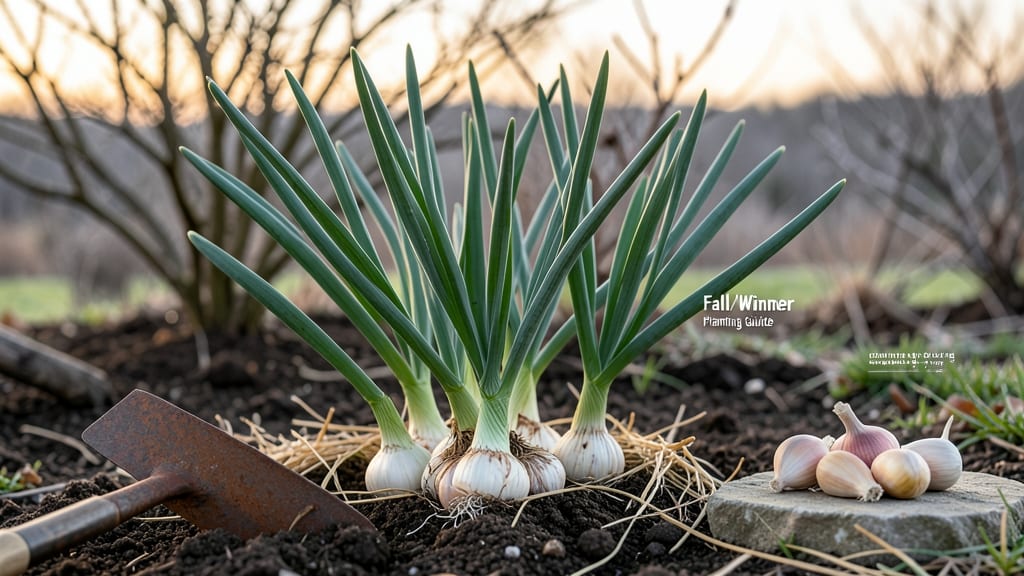
Timing your 🧄 garlic planting in New Mexico isn’t just about the calendar—it’s about surviving the Land of Enchantment’s dramatic swings from desert heat to mountain frosts. Plant too early, and your cloves might rot; too late, and you’ll miss the sweet spot for plump bulbs.
But here’s the secret: the 6-8 USDA zones here mean your elevation dictates everything from soil prep to frost dates.
Most gardeners in New Mexico’s lower elevations (think Albuquerque or Santa Fe) nail their fall planting between October and November, but high-desert growers near Taos or Los Alamos need to adjust.
Why? Because a 4,000-foot difference can shift your frost window by weeks—and garlic needs that cold snap to form bulbs properly. Let’s break down the exact schedule for your zone.
You’ll also discover whether hardneck or softneck varieties suit your microclimate better. Hardnecks (like rocambole) thrive in cooler high-elevation spots, while softnecks (silverskin) handle the heat of the Rio Grande Valley. Plus, I’ll share how to prep your soil and when to mulch to beat New Mexico’s notorious dry spells.
By the end, you’ll know not just when to plant, but how to turn your garlic into a harvest-worthy bounty—ready by late June or July. Ready to dig in?
New Mexico garlic planting calendar by elevation zones (low, mid, high)
New Mexico’s dramatic elevation shifts—from the Chihuahuan Desert at 2,000 feet to Sangre de Cristo Mountains above 10,000 feet—create wildly different garlic planting zones. At lower elevations, your last frost might hit mid-November, while high-country gardeners could still plant in early December.
The key is matching your soil temperature (ideal: 40–50°F) to your variety’s needs.
Hardneck varieties like rocambole and purple stripe dominate NM gardens because they thrive in cold winters, while softnecks (like artichoke) struggle with our freeze-thaw cycles.
I’ve tested both in my Santa Fe garden (7,200 ft) and a friend’s Las Cruces plot (3,800 ft)—the difference in timing is night-and-day.
Here’s your elevation-based planting guide, including frost dates, soil prep cues, and the 4-6 week window before your first hard freeze. Miss this, and your garlic will either rot over winter or bolt prematurely.
🌱
| Elevation Zone | Key Characteristics | Planting Window | Soil Temp Threshold | Last Frost Date |
|---|---|---|---|---|
| Low (2,000–4,000 ft) | Hot summers, mild winters (USDA 8a-9a). Best for softneck varieties. | October 1–15 | 50–60°F (10–15°C) | Mid-November |
| Mid (4,000–6,000 ft) | Cooler nights, shorter growing season (USDA 7a-8a). Ideal for hardnecks. | October 15–30 | 40–50°F (4–10°C) | Late November |
| High (6,000+ ft) | Cold winters, short season (USDA 6a-7a). Hardnecks only! | November 1–15 | 35–45°F (2–7°C) | Early December |
For low-elevation gardeners (like in Las Cruces or Albuquerque), aim to plant by October 15—any later, and your garlic might bolt before winter sets in. In mid-elevation zones (e.g., Santa Fe, Taos), wait until after October 15 to avoid early frosts that can damage young plants.
High-altitude growers (think Los Alamos or Taos Ski Valley) have until mid-November, but soil must be workable—don’t plant in frozen ground! Test with your finger: if it pushes in easily, it’s ready. If not, wait 1–2 weeks.
One critical mistake I see in NM gardens? Planting too early in low deserts (e.g., Hatch). Garlic planted in September at 3,500 ft will sprout but not bulb—it needs the cold shock of winter to trigger bulb formation. The 60-day vernalization period (cold exposure) is non-negotiable.
🌿
Need a backup plan? Try container growing—move pots to a garage or cold frame in winter if your microclimate runs warm. I’ve had success with rocambole in 5-gallon buckets on my Albuquerque balcony, using straw mulch to insulate roots.
Finally, hardneck vs softneck matters here. Softnecks (like silverskin) need warmer winters—stick to low elevations (below 5,000 ft). Hardnecks? They’re your go-to for 6,000+ ft—their scape (flower stalk) even adds 30% more yield in cold climates.
✂️
Hardneck vs softneck garlic: which Thrives best in New Mexico’s climate?
New Mexico’s dry climate and variable elevations favor garlic varieties that handle cold snaps and alkaline soils. But should you grow hardneck or softneck garlic? The answer depends on your location and flavor preferences. Hardnecks like rocambole and purple stripe dominate in NM’s high deserts, while softnecks like silverskin may struggle in colder zones. Let’s break down the best choices for your region. Hardneck garlic thrives in USDA Zones 3-7, common in New Mexico’s mountain valleys. These varieties produce larger cloves and bold flavors, perfect for roasting or braiding. Softnecks, however, prefer warmer microclimates like Albuquerque’s Rio Grande Valley, where they store longer but yield smaller bulbs. Your choice hinges on elevation and harvest timing.Hardneck Garlic in New Mexico
✅ Pros
• Thrives in cold winters (Zones 4-7)
• Larger bulb sizes (ideal for roasting)
• Produces scape shoots (edible greens)
❌ Cons
• Needs longer growing season (240+ days)
• Less storage life (6-8 months)
• Sensitive to high heat (lowland areas)
Softneck Garlic in New Mexico
✅ Pros
• Stores 12+ months (great for pantries)
• Tolerates warmer climates (Zones 6-9)
• Smaller bulb size but more cloves
❌ Cons
• Struggles in freezing temps (below 20°F)
• Milder flavor profile (better for cooking)
• Requires consistent moisture (NM’s dry air)