
Plants
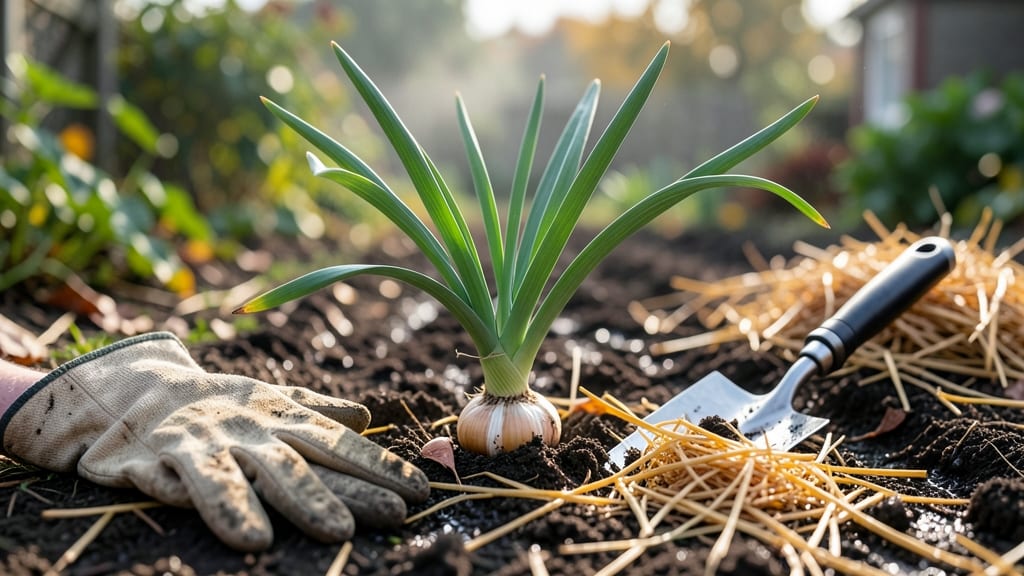
Planting garlic in Upstate New York at the wrong time means the difference between a bountiful harvest of hardneck varieties and tiny, flavorless bulbs. The key? Timing it perfectly between late September and October—when soil temps dip below 50°F—so the cloves establish roots before winter sets in.
Upstate’s 5b-6b climate gives garlic a fighting chance, but you’ve got to work with the short growing season. Hardneck varieties like ‘German White’ or ‘Music’ need 270 days to mature, and planting too early or late throws off that timeline.
Too soon, and your cloves rot; too late, and they won’t bulk up before harvest in July.
I’ll break down the exact month-by-month window for your zone, plus soil prep tricks to keep your garlic thriving through Upstate’s unpredictable winters. Whether you’re a beginner or a seasoned gardener, these steps will help you avoid common pitfalls like heaving or mold.
Ready to grow plump, flavorful garlic? Let’s get into the details so you can plant with confidence—and harvest like a pro next summer.
Upstate New York garlic planting calendar: hardneck varieties’ exact months for bulb success
Timing is everything when planting hardneck garlic in Upstate New York, where USDA Zones 4-6 demand precise coordination with frost dates. The ideal window spans from late September to mid-October, but exact timing depends on your microclimate and variety.
Plant too early, and cloves may sprout before winter; too late, and bulbs won’t mature fully before harvest. For Upstate NY’s short growing season, this balance is critical.
Garlic thrives when planted 4-6 weeks before the ground freezes. In most of Upstate New York, this means mid-October to early November for the safest bet.
However, early varieties can handle planting as early as late September, while late varieties may tolerate planting until mid-November, provided the soil hasn’t frozen solid. Always check your local last frost date—typically mid-November in the region.
Soil temperature plays a crucial role. Garlic cloves need 40-50°F soil temps to establish roots before winter dormancy. Use a soil thermometer if unsure—planting when temps drop below 40°F risks poor root development.
In Upstate NY, this usually aligns with late September to early October, but cooler microclimates (like the Adirondacks) may shift this window later.
Here’s your Upstate NY garlic planting timeline broken down by key stages:
Upstate NY’s cool summers actually benefit garlic growth, but the short growing season means you must plant early enough for bulbs to mature. Most hardneck varieties need 270-300 days from planting to harvest.
If you’re in Zone 5b (e.g., Albany or Syracuse), aim for late September planting to ensure bulbs reach full size by July. In colder Zone 4 areas (like the Adirondacks), push planting to early October to avoid winter heaving.
For raised beds, which warm up faster, you can plant 1-2 weeks earlier than in-ground gardens. However, avoid planting in heavily amended soil with high nitrogen—this encourages leafy growth at the expense of bulb development. A balanced 5-10-10 fertilizer at planting (1 tbsp per 10 sq ft) is ideal.
In Upstate NY, organic matter like composted manure or leaf mold improves drainage in clay-heavy soils, which are common in the Finger Lakes region.
One common mistake is planting softneck garlic (like Silverskin) in Upstate NY—it performs poorly in cold climates. Stick to hardneck varieties, which thrive in USDA Zones 3-8 and produce scape shoots (a bonus harvest!).
If you miss the fall window, spring planting is possible but risky—cloves may bolt prematurely. For spring plantings, use smaller cloves and plant in early April, accepting smaller bulbs.
Pro tip: Mark your garlic rows with bamboo stakes in fall—Upstate NY’s snow cover can obscure planting locations. And always save your best bulbs for next year’s planting! The German White and Music varieties are top choices for Upstate NY, offering large bulbs and high cold tolerance.
Finally, don’t forget to harvest scapes in early summer (when they curl into a loop) to redirect energy to bulb growth. Upstate NY’s humid summers can increase fungal diseases, so space plants 6 inches apart and avoid overhead watering.
With the right timing, you’ll enjoy bold, flavorful garlic that’s perfect for braiding and storing through winter!
How to adjust planting for Upstate NY’s microclimates: cold hardiness vs. early spring threats
Upstate New York’s microclimates can vary dramatically—from the Adirondacks’ harsh winters to the Finger Lakes’ slightly milder conditions. These differences mean your garlic planting window might shift by weeks depending on where you live.
For example, Albany (Zone 6b) can handle November plantings, while Lake Placid (Zone 4b) should plant by early October to avoid winter heaving.
Soil type also plays a critical role. Heavy clay soils in areas like Syracuse retain moisture but can suffocate roots, while sandy loam in the Hudson Valley drains too quickly. Amending with compost or aged manure (2–3 inches) before planting ensures proper drainage and warmth retention—critical for hardneck varieties.
Here’s the biggest challenge: early spring thaws. If your garlic sprouts too soon, a late frost (common in April) can kill tender shoots. To prevent this, choose late-maturing hardnecks like ‘Music’ or use row covers in early spring.
Mulching with straw (4–6 inches) after planting also insulates cloves from temperature swings.
🌱
If you miss the October window, cloves may rot before winter. Upstate NY’s first hard frost (mid-October) signals it’s time to plant—not after! Use a soil thermometer to confirm temps are below 40°F before covering with mulch.
For raised beds, timing is even more precise. The soil warms and drains faster, so plant 2 weeks earlier than in-ground garlic. Add coarse sand or perlite to improve drainage, and avoid overwatering—soggy soil in winter leads to clove rot.
In container gardens, use pots with drainage holes and place them in sheltered spots to protect from windburn.
Finally, monitor local frost dates using resources like the Cornell Cooperative Extension. Their frost-free maps for Upstate NY help adjust your planting schedule. For example, Buffalo’s later last frost (early November) allows a slightly extended window compared to Saratoga Springs.
With these adjustments, you’ll maximize bulb size and minimize winter losses, even in Upstate NY’s unpredictable climate. The key? Know your zone, amend your soil, and plant early—before the ground freezes for good. 🌿