
Plants
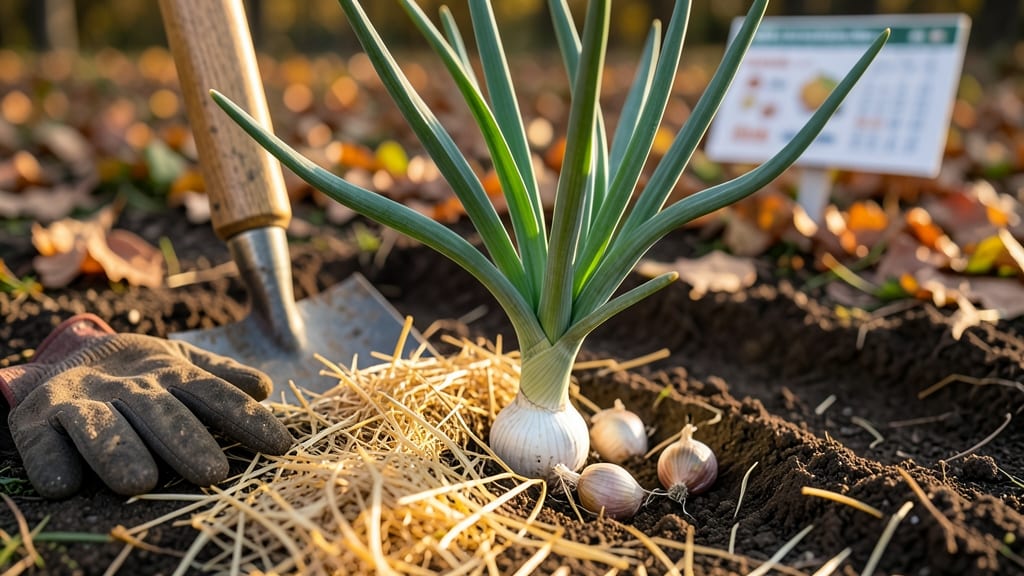
If you're asking "when do you plant garlic in Colorado", the answer isn't just about the calendar—it's about catching that narrow window between fall's crisp air and winter's first freeze.
For Colorado gardeners in zones 5-7, timing matters more than you might think, especially when choosing between hardneck and softneck varieties.
Most gardeners swear by planting 🧄 garlic between October and November, but why? Because this timing lets the cloves establish roots before the ground freezes, setting the stage for next summer's harvest.
Colorado's high-altitude zones add another layer—higher elevations mean earlier frosts, so you might need to plant even earlier to avoid missed opportunities.
I've seen firsthand how a few weeks' difference can mean the difference between plump bulbs and disappointing harvests. Whether you're a seasoned gardener or just starting, understanding these nuances will help you avoid common mistakes and maximize your yield.
Let's break down exactly when to plant, how to adjust for Colorado's microclimates, and the 5 critical mistakes to avoid—so you can confidently grow garlic that rivals the best from farmers' markets.
Best planting months for Colorado garlic: hardneck vs softneck breakdown
Colorado’s cool mountain climate makes fall planting the golden rule for garlic, but timing varies between hardneck and softneck varieties. Most gardeners in USDA Zones 5-7 (covering most of the state) aim to plant between mid-October and November, but altitude and microclimates shift these windows.
For hardneck garlic—the preferred choice for Colorado’s cold winters—planting in October gives bulbs enough time to establish roots before winter dormancy. Softneck varieties, while less common here, can tolerate slightly later plantings into early November.
The key is planting 4-6 weeks before the first hard frost, which in Colorado typically hits mid-October in the Front Range but can arrive as early as September in high-altitude areas like the Rockies.
This timing ensures garlic cloves sprout roots but remain dormant through winter, emerging in spring for robust growth. Missed the window? Don’t despair—some gardeners successfully plant in early December, though yields may be smaller.
Hardneck varieties like ‘German Red’ or ‘Music’ thrive in Colorado’s climate, producing scape shoots (flowering stems) in summer. These are best planted in October for a July harvest. Softneck types, such as ‘Artichoke’, store longer but need slightly warmer soil, making September-October ideal.
Always choose organic, disease-free cloves from reputable suppliers to avoid introducing pathogens to your soil.
🧄 Colorado Garlic Planting Timeline: Hardneck vs Softneck
| Variety | Best Planting Window | USDA Zones | Key Notes |
|---|---|---|---|
| Hardneck (e.g., ‘German Red’, ‘Music’) | Mid-October – November | 5-7 | Cold-hardy; produces scapes. Plant 6 weeks before frost. |
| Softneck (e.g., ‘Artichoke’, ‘Silverskin’) | September – Early October | 6-7 (warmer microclimates) | Less cold-tolerant; store longer. Plant earlier for warmer soil. |
| Both Types | Late December (emergency) | All | Smaller yields; use only if soil isn’t frozen. |
For high-altitude gardens (above 8,000 feet), like those in Eagle County or Summit County, push planting to September to avoid early frosts. Use a soil thermometer to confirm temperatures are below 50°F but not frozen—ideal for garlic root establishment.
In lower elevations (e.g., Denver or Colorado Springs), stick to October plantings. Always loosen soil to 6 inches deep and amend with compost to improve drainage, a critical factor in Colorado’s clay-heavy soils.
Pro tip: Plant individual cloves 2 inches deep, 4-6 inches apart, with 8 inches between rows. This spacing prevents crowding and fungal diseases like white rot, common in Colorado’s humid mountain valleys.
Label your rows immediately—garlic looks identical until spring! Mulch with straw or leaves after planting to insulate cloves from temperature swings and soil heaving during freeze-thaw cycles.
Colorado’s variable weather means flexibility is key. If unseasonably warm fall weather arrives, delay planting until soil temps drop below 60°F to prevent premature sprouting. Conversely, if early snow threatens, cover beds with row fabric until conditions stabilize.
Hardneck garlic planted in October will reward you with scape harvests in July and bulbs in August, while softneck varieties may take until late September to mature.
One common misconception is that larger cloves guarantee bigger harvests. In reality, medium-sized cloves (about 1 inch in diameter) produce the largest bulbs because they’ve already stored energy. Save your best bulbs from last year’s harvest for planting—just ensure they’re plump, firm, and free of sprouts.
If you’re new to garlic growing, start with 3-5 cloves to test your soil and microclimate before scaling up.
Remember, Colorado’s short growing season demands precision. Planting garlic at the wrong time can lead to poor root development, small bulbs, or even complete crop failure. But when done right, your homegrown garlic will outshine store-bought in flavor and size, making the effort worthwhile.
Next, we’ll dive into how to adjust these timelines for Colorado’s diverse microclimates—from the Front Range’s urban gardens to the Western Slope’s desert transitions.
🌱
Best planting months for Colorado garlic: hardneck vs softneck breakdown
Colorado's unique climate demands precise timing for garlic planting, especially when choosing between hardneck and softneck varieties. Hardneck garlic thrives in Colorado's cooler temperatures, while softneck prefers milder conditions. The key is planting 4-6 weeks before the ground freezes, typically between mid-October and November for most regions.
For hardneck varieties, aim for planting between October 15th and November 15th. These varieties need cold stratification to form bulbs, making Colorado's winter ideal. Softneck garlic, on the other hand, can tolerate slightly warmer soil and may be planted as early as late September in lower elevations.
Colorado's USDA zones 5-7 and high-altitude variations mean you'll need to adjust based on your specific location. Front Range areas (like Denver) typically have earlier frost dates than the Western Slope or mountain regions. Always check your local first frost date to time your planting perfectly.
In high-altitude areas above 7,000 feet, you may need to plant garlic even earlier, sometimes as early as mid-September. These regions experience colder soil temperatures and shorter growing seasons. Conversely, lower elevations like the San Luis Valley can plant up to mid-November with proper protection.
Remember that soil temperature is more critical than air temperature. Use a soil thermometer to ensure temperatures are below 50°F (10°C) but not frozen. This balance helps garlic establish strong roots before winter dormancy. For late plantings, consider using row covers to protect young cloves from early frosts.
Pro tip: If you miss the ideal window, don't despair! You can still plant garlic in early December using straw mulch for insulation. Just be prepared for smaller bulbs. The key is to plant early—Colorado's growing season rewards patience with larger, healthier garlic! 🧄