
Planting
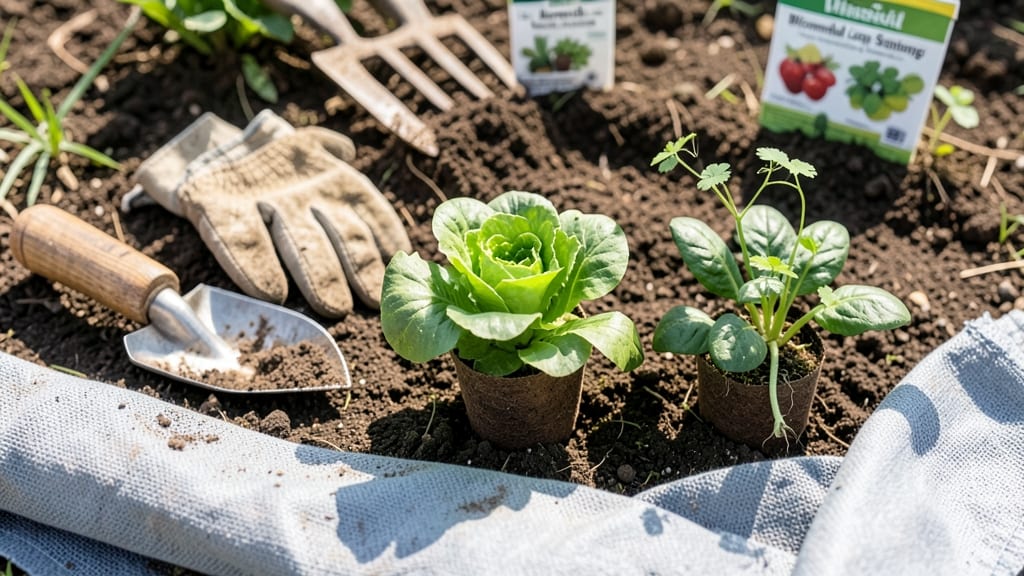
Timing the plant garden in Wisconsin just right can mean the difference between a bumper crop and a sad, frost-nipped disappointment.
Knowing when to plant garden in Wisconsin isn’t just about checking a calendar—it’s about reading your soil, tracking frost dates, and choosing plants that can handle USDA Zone 5a’s unpredictable swings from snow to summer.
With mid-May as the average last frost date (though it varies by region), the window for planting your 🌱 General Garden Plants opens late April for cold-hardy crops like peas and spinach, while tomatoes and peppers need to wait until the soil warms to at least 50°F.
Get it wrong, and you’ll either lose seedlings to late frosts or miss the chance for a full harvest before the first frost in October.
I’ve spent years perfecting my Wisconsin garden schedule, and what I’ve learned will help you avoid common mistakes—like planting too early and risking frost damage or waiting too long and cutting your harvest short.
Whether you’re a first-time gardener or a seasoned pro, these seasonal deadlines will give you the confidence to grow more, waste less, and enjoy a garden that thrives all summer long.
Ready to unlock the secrets of Wisconsin’s growing season? Let’s dive into the exact planting windows, frost-proofing tips, and plant-by-plant strategies that will turn your garden dreams into reality—no guesswork required.
Wisconsin planting deadlines by season: cold-hardy crops vs. warm-season staples
Wisconsin’s USDA Zones 4b and 5a demand precision when planting—last frost dates can vary by 1-2 weeks between northern and southern regions. Most gardeners aim for mid-May as the average last frost date, but soil temperature (not air temperature) is the true deciding factor.
For example, cool-season crops like spinach and peas thrive when soil hits 40°F (4°C), while warm-season plants like tomatoes need 60°F (15°C) or warmer.
Timing isn’t just about frost—it’s also about plant maturity. Wisconsin’s 150-day frost-free window means fast-maturing varieties are your best bet. A 60-day tomato planted in early June might not ripen before frost, while a 90-day variety risks the same fate.
Start by calculating your first frost date (typically mid-October) and work backward from there.
🌱 Key Tip: Use the Almanac’s Frost Calculator (or local Extension Office data) to pinpoint your exact last frost date—this varies 10-14 days between Madison and the Northwoods.
| Plant Type | Best Planting Window | Soil Temp Threshold | Frost Risk | Notes |
|---|---|---|---|---|
| Cold-Hardy Crops (Peas, Spinach, Kale, Lettuce) | Early March–April (cover with row fabric) or late August–September for fall harvest | 40–50°F (4–10°C) | Low (tolerates light frost) | Direct-sow seeds; avoid transplant shock. |
| Cool-Season Veggies (Broccoli, Cabbage, Carrots) | Late April–early May (after last frost) or July for fall crops | 45–55°F (7–13°C) | Moderate (use row covers) | Start indoors 4–6 weeks before last frost. |
| Warm-Season Staples (Tomatoes, Peppers, Cucumbers) | Mid-May–early June (soil ≥60°F/15°C) | 60–70°F (15–21°C) | High (use black plastic mulch) | Transplant seedlings; avoid cold snaps. |
| Herbs (Basil, Cilantro, Dill) | Basil: late May–June; Cilantro: March–April or August | Basil: 70°F (21°C); Cilantro: 50°F (10°C) | Moderate (basils bolt in heat) | Basil needs warmth; cilantro bolts in heat. |
| Flowers (Marigolds, Zinnias, Sunflowers) | Late April–June (after frost) | 50–60°F (10–15°C) | Low (annuals tolerate frost) | Direct-sow seeds; deadhead for longer blooms. |
| Perennials (Daylilies, Coneflowers, Lavender) | April–May (after frost) or fall (September) | 50°F (10°C) | None (established roots) | Plant in well-draining soil; mulch after planting. |
Wisconsin’s northern regions (e.g., Duluth) have later frost dates (June 1 average), while southern areas (Milwaukee) can plant 2 weeks earlier. For warm-season crops, this delay means the difference between a full harvest and stunted growth.
For example, peppers planted in early May in southern Wisconsin may thrive, but the same seeds in northern Wisconsin could rot in cold soil.
Don’t overlook succession planting—this is how Wisconsin gardeners maximize yields. For instance, bush beans sown every 2 weeks from late May to July ensure a steady supply instead of one overwhelming harvest.
Similarly, lettuce planted in March (with row covers) and again in August gives you two harvests in one season.
Pro tip: Use black plastic mulch to warm soil 5–10°F faster
How to extend Wisconsin’s short growing season: frost-proofing tips for early and late plantings
Wisconsin’s 150 frost-free days mean every week counts. To squeeze extra harvests from your garden, I’ve mastered these season-extending tricks that work in my Zone 4b/5a yard. The key? Protecting tender plants from late frosts and maximizing every sunny day.
Start by choosing fast-maturing varieties—look for labels promising harvests in 50-60 days or less. My go-to examples include ‘Early Girl’ tomatoes (55 days) and ‘Sugar Sprint’ bush beans (45 days). These beat the clock while still delivering flavor.
🌱
- 1. Use row covers like floating fabric tunnels to trap heat. I’ve added these over peppers and eggplants in early May, extending their season by 2-3 weeks before removing them when temps stay above 55°F.
- 2. Build cold frames—simple Plexiglas boxes over garden beds. My spinach and lettuce thrive under these until June 15, pushing fall harvests into October when protected again.
- 3. Try succession planting: Sow radishes every 2 weeks from April to July. This ensures a steady supply while longer-season crops like carrots mature.
- 4. Mulch heavily with straw or leaves to insulate soil. This keeps roots 10°F warmer overnight—critical for potatoes and onions in early spring.
- 5. Plant heat-lovers late: Wait until June 1 for tomatoes and peppers in black plastic pots. The dark color absorbs heat, giving seedlings a 5°F advantage over soil-planted peers.
Don’t overlook microclimates—southern exposures or slopes warm up faster. I’ve planted cold-sensitive basil near my south-facing fence and harvested it 3 weeks earlier than my north-side plants. Even a 6-inch difference in elevation can mean 5°F warmer soil.
For fall gardens, prioritize kale, Brussels sprouts, and broccoli—they sweeten after frost. I’ve had Brussels sprouts thriving under row covers until November 1, thanks to their cold-hardy nature. Pair them with garlic planted in October for a next-year harvest.
Remember: Monitor forecasts and have emergency covers ready. Last year, a May 20 frost threatened my tomato seedlings—but burlap blankets saved them. With these tactics, I’ve turned Wisconsin’s short season into a year-round harvest bonanza. 🌿