
Planting
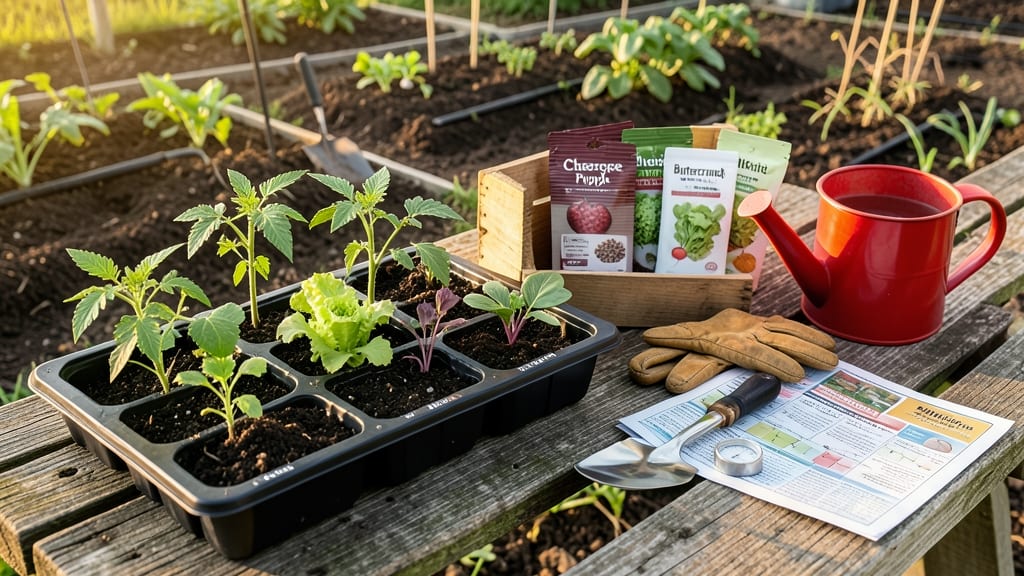
Timing when to plant a vegetable garden in Missouri can mean the difference between a thriving harvest and a sad pile of frost-nipped seedlings.
With USDA zones 5b and 6a bringing unpredictable spring weather, knowing the perfect planting window is the key to avoiding common mistakes like bolting lettuce or stunted tomatoes.
I’ve spent years testing what works in Missouri’s climate, and the secret isn’t just about last frost dates—it’s about matching your plants to the soil’s warmth and your local microclimate.
Whether you’re in St. Louis, Kansas City, or Springfield, these insights will help you plant with confidence and maximize your garden’s potential.
From cool-season greens like spinach to heat-loving tomatoes, we’ll break down the best planting times for each vegetable. You’ll discover how to adjust for Missouri’s rollercoaster weather and even extend your growing season with simple tricks like row covers.
Ready to grow a garden that outperforms the forecast? Let’s dive into the exact deadlines and strategies that will give you the harvest you’ve been dreaming of.
Missouri’s planting timeline by vegetable type: USDA Zone 5b/6a deadlines for success
Missouri’s USDA Zones 5b and 6a offer a 150–180-day growing season, but timing is everything—especially when last frost dates can swing by weeks.
In northern Missouri (Zone 5b), the average last frost falls around April 15–May 1, while southern regions (Zone 6a) see frost-free conditions by March 20–April 1.
Warm-season crops like tomatoes and peppers need soil temps of 60°F+ to thrive, while cool-season veggies (e.g., spinach and peas) can handle 40°F+ soil.
To avoid frost damage or bolting (when greens flower prematurely), I recommend using local frost date calculators from the Missouri Botanical Garden or Almanac. For example, St. Louis gardeners should wait until May 10 for heat-loving crops, while Kansas City can start 2 weeks earlier.
Raised beds and black plastic mulch can warm soil faster, letting you plant 1–2 weeks ahead of ground plantings.
Here’s a quick breakdown of cool-season vs. warm-season crops and their ideal planting windows in Missouri:
| Vegetable | Type | Zone 5b Planting Window | Zone 6a Planting Window | Notes |
|---|---|---|---|---|
| Lettuce | Cool-season | March 15–April 15 | February 20–March 30 | Bolt-resistant varieties like 'Black Seeded Simpson'. |
| Tomatoes | Warm-season | May 1–May 15 (after soil hits 60°F) | April 15–April 30 | Use cold frames for early starts. |
| Peas | Cool-season | March 1–April 1 | February 15–March 15 | Plant sugar snap or shelling peas. |
| Peppers | Warm-season | May 15–June 1 (start indoors) | April 30–May 15 | Choose short-season varieties like 'Early Jalapeño'. |
| Kale | Cool-season | March 15–July 15 (successive) | February 20–June 30 | Harvest before bolting in summer heat. |
🌱 Pro Tip: Use row covers to extend cool-season planting by 2–3 weeks.
For warm-season crops, I swear by soil thermometers—they’re a game-changer for tomatoes and peppers. Wait until the soil reaches 60°F for 5+ days before planting; otherwise, seeds may rot or seedlings stunt.
In Zone 5b, this often means late May, while Zone 6a can start in mid-April. Heat-tolerant varieties like 'Celebrity' tomatoes or 'Arkansas Traveler' peppers are my go-tos for Missouri’s short summer.
Cool-season crops, like spinach and broccoli, can handle light frosts and even thrive in fall plantings. I’ve had great luck sowing spinach in late August for a harvest before winter sets in.
Just remember: soil temps below 50°F slow growth, so mulch heavily to protect roots. For succession planting
How to adjust planting dates for Missouri’s microclimates and unpredictable weather
Missouri’s USDA Zones 5b/6a offer a short but productive growing season, but microclimates and sudden frost can throw off even the best-laid plans. If you’ve ever watched your tomato seedlings wilt overnight or your lettuce bolt in the heat, you know timing is everything. The key? Flexible strategies to protect your plants and extend your harvest window. A soil thermometer is your best friend—cool-season crops like peas and spinach thrive when soil temps hit 40–50°F, while warm-season favorites like peppers need 60°F+ to germinate. But Missouri’s unpredictable spring can delay planting by weeks. That’s why I rely on row covers and cold frames to give delicate seedlings a head start, even if Mother Nature isn’t cooperating.Missouri’s microclimates—like the warmer urban heat islands in St. Louis or the cooler river valleys near Kansas City—can shift planting dates by 1–2 weeks. For example, a south-facing slope might warm up faster than a north-facing garden, letting you plant cucumbers or squash earlier.
Always scout your space: shade from trees or reflective surfaces (like pavement) can create pockets where heat-loving plants thrive—or where cool crops struggle.
🔍 Pro Tip: Use the National Weather Service’s frost probability maps to track last-frost dates (typically April 15–May 1 in most of Missouri). But don’t stop there—check local forecasts for 5-day outlooks before planting heat-sensitive crops like basil or eggplants.
A single cold snap can set you back 4–6 weeks!
🌱 5 Ways to Adjust Planting Dates in Missouri
- 📅 Use row covers to plant cool crops 3–4 weeks earlier (e.g., lettuce, spinach). Remove when plants bolt.
- 🔥 Start warm-season plants indoors (6–8 weeks before last frost) or use biodegradable pots to transplant seedlings.
- ❄️ Extend fall harvests with cold frames or low tunnels—protect kale, carrots, and radishes until November 15.
- 🌡️ Monitor soil temps with a thermometer: Peas (40°F), Tomatoes (60°F), Cucumbers (70°F).
- 🌿 Choose fast-maturing varieties (e.g., ‘Early Girl’ tomatoes, ‘Cherry Belle’ radishes) for shorter seasons.
For high-risk crops like peppers and eggplants, I swear by a