
Planting
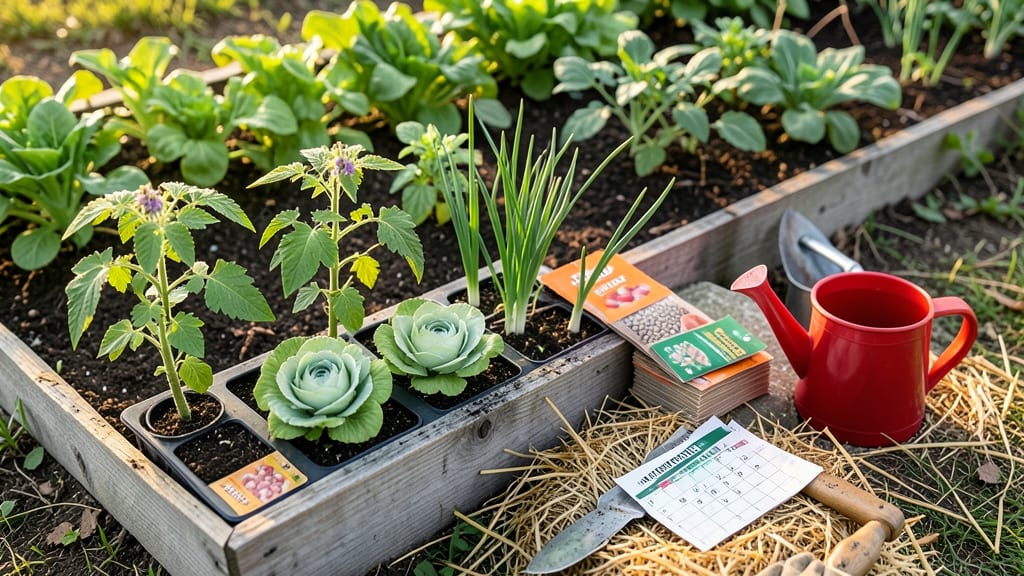
When to plant a vegetable garden in Pennsylvania could mean the difference between a thriving harvest and wasted seeds—especially when last frost dates vary from Philadelphia’s April to Erie’s May. Whether you're a first-time gardener or a seasoned grower, planting at the wrong time can leave your 🌱 struggling with frost or bolting too soon.
I’ve spent years testing what works in PA’s USDA zones 5b–7a, and the key is understanding your microclimate. Cool-season crops like spinach and peas can handle early spring chill, while tomatoes and peppers need warmer soil. Missing these windows means slower growth—or worse, losing plants entirely.
In this guide, I’ll break down the exact deadlines for starting seeds indoors, transplanting seedlings, and direct sowing in your area. You’ll learn how to stretch your growing season with simple tricks, whether you’re in a city garden or a rural plot.
Ready to avoid the common mistakes that kill gardens? Let’s get your vegetable patch off to the right start—no guesswork, just proven timing for PA’s unpredictable weather.
Pennsylvania’s planting zones: when to start seeds indoors vs. direct sowing outdoors
Pennsylvania spans USDA hardiness zones 5b through 7a, meaning your planting timeline depends heavily on where you live. For example, Erie (Zone 6a) has a later last frost date than Pittsburgh (Zone 6b), while Philadelphia (Zone 7a) enjoys longer growing seasons.
Knowing these differences helps you avoid frost damage and maximize harvests.
Most PA gardeners start seeds 6-8 weeks before the last expected frost—typically mid-March to early April for northern zones and late February to March for southern zones. For direct sowing, aim for 2 weeks after the last frost date, usually mid-April to early May.
Always check local frost charts, as microclimates can shift dates by weeks.
Cold-hardy crops like peas, spinach, and kale can handle light frosts and often go in as early as March. Heat-loving tomatoes, peppers, and cucumbers, however, need soil temperatures above 60°F—usually late May to early June—to thrive. Planting too soon stresses these tender plants.
Here’s how to match your PA region to planting windows for both indoor starts and outdoor sowing:
| Region | USDA Zone | Last Frost Date | Start Seeds Indoors | Direct Sow Outdoors |
|---|---|---|---|---|
| Northern PA (Erie, Scranton) | Zone 5b-6a | May 10–15 | March 15–April 1 | April 20–May 5 |
| Central PA (Harrisburg, State College) | Zone 6a-6b | April 25–May 5 | March 1–March 15 | April 15–April 30 |
| Southern PA (Philadelphia, Reading) | Zone 7a | April 15–April 25 | February 20–March 10 | April 1–April 15 |
For transplanting seedlings, wait until 2 weeks after the last frost and soil temperatures reach 50°F+. This rule applies to tomatoes, peppers, and eggplants, which are sensitive to cold. Use a soil thermometer if unsure—cold soil slows root growth and delays maturity.
Pro tip: Succession planting works wonders in PA. After harvesting early crops like radishes or lettuce, replant with bush beans or carrots in the same spot. This keeps your garden productive from April through October without overcrowding.
If you’re in a microclimate—like a south-facing slope or urban heat island—you can push planting dates 1-2 weeks earlier. Conversely, valleys and shaded areas may need delayed planting to avoid late frosts. Always monitor local weather forecasts for unexpected cold snaps.
For fall crops, aim to plant 90 days before the first frost (typically late July to early August). This timing ensures kale, spinach, and broccoli mature before winter sets in. Use row covers to extend harvests into November or December in milder zones.
Remember: PA’s frost dates shift yearly. Bookmark the National Weather Service’s frost maps or use apps like Old Farmer’s Almanac for real-time updates. With the right timing, your garden can thrive from spring to fall—no wasted seeds in sight! 🌱
Best vegetables to plant by month in Pennsylvania: a zero-frost timeline
Pennsylvania’s spring and fall seasons offer the best opportunities for planting vegetables, but timing varies by crop. Cool-season vegetables like peas and lettuce thrive in early spring, while warm-season crops such as tomatoes and peppers need to wait until after the last frost.
Understanding these monthly windows ensures your garden stays productive year-round.
Start with early spring crops like spinach and radishes, which can handle light frost. These can be planted as soon as the soil is workable, typically in March or April, depending on your USDA zone.
Meanwhile, late spring is ideal for planting heat-loving crops like cucumbers and beans once nighttime temperatures consistently stay above 50°F.
🌱 Key Tip: Use row covers or cold frames to extend the growing season for early spring plantings and protect tender crops from unexpected frosts.
| Month | Best Vegetables | Planting Notes |
|---|---|---|
| March-April | Peas, Spinach, Lettuce, Radishes | Plant after last frost risk; use row covers for protection. |
| May-June | Tomatoes, Peppers, Cucumbers, Beans | Wait until soil is warm (60°F+); transplant seedlings after frost. |
| July-August | Kale, Swiss Chard, Carrots, Beets | Succession plant for continuous harvest; mulch to retain moisture. |
| September-October | Broccoli, Brussels Sprouts, Lettuce, Radishes | Plant 6-8 weeks before first frost; use cold frames for winter harvests. |
For summer plantings, focus on heat-tolerant vegetables like okra and sweet potatoes, which thrive in Pennsylvania’s hotter months. These can be sown directly into the garden once the soil is consistently warm, usually by late May or June.
Meanwhile, fall is perfect for planting cool-season crops again, such as Brussels sprouts and kale, which actually sweeten in response to cooler temperatures.
🌿 Pro Tip: Succession planting is key in Pennsylvania’s short growing season. For example, plant lettuce every 2 weeks in spring and fall to ensure a steady supply. This technique maximizes your garden’s productivity and minimizes wasted space.
Always check your local frost dates and adjust planting times accordingly. While the general guidelines above apply to most of Pennsylvania, microclimates—especially in urban areas—can vary. For instance, Philadelphia tends to have slightly warmer springs than Pittsburgh, so adjust your planting schedule to match your specific location.
☀️ Final