
Planting
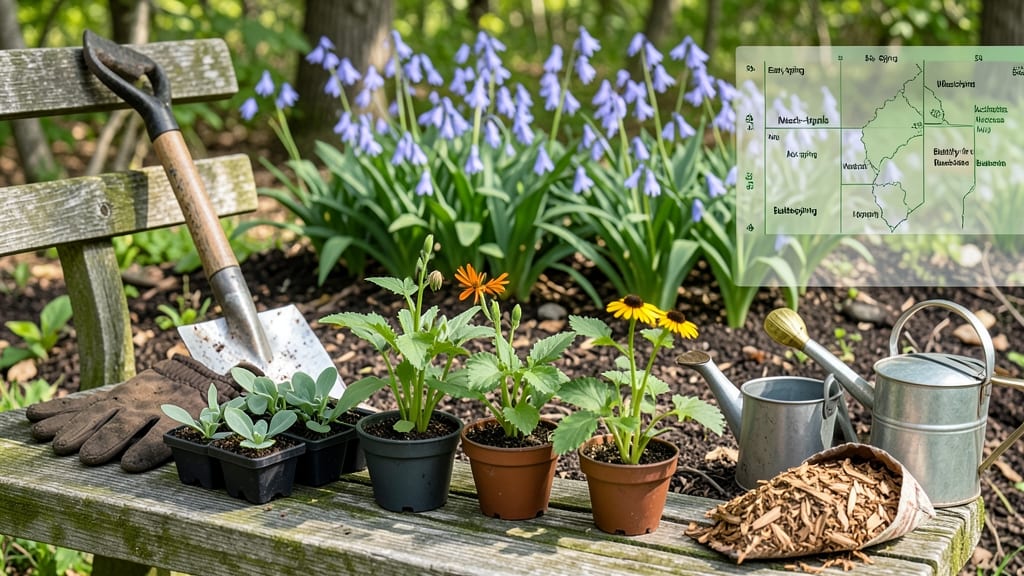
When to plant a garden in Virginia isn’t just about following a calendar—it’s about outsmarting frost, heat waves, and unpredictable microclimates that can turn your 🌱 dreams into wilted disappointments. Whether you’re in the cooler 6a mountains or the milder 8a coastal plains, planting too early or too late means the difference between a harvest that feeds your family and one that barely survives. The good news? With the right zone-specific deadlines, you can beat the odds and grow like a pro.
Let’s cut through the guesswork. I’ll break down exactly when to plant your cool-season crops (think leafy greens and root veggies) versus warm-season favorites (tomatoes, peppers, and squash) based on Virginia’s last frost dates—because nothing ruins a garden faster than a surprise freeze.
You’ll also learn how to adjust for your exact location, whether you’re tucked in a valley or baking in an urban heat pocket. Spoiler: It’s not just about the zone.
Why does this matter? Because even experienced gardeners in Virginia trip up on timing—planting tomatoes before the soil warms or ignoring soil temperature until it’s too late. I’ll share the top mistakes to avoid and how to use simple tools (like a soil thermometer) to get it right every time.
No more second-guessing, just confident planting that leads to a garden bursting with flavor.
Ready to turn your Virginia plot into a year-round success? Let’s dive into the zone-by-zone planting schedule that’ll have your crops thriving from spring through fall—no frost-related drama included.
Virginia’s USDA zones and their exact last frost dates (2024 guide)
Virginia spans USDA hardiness zones 5b through 8a, creating wildly different planting windows from the coastal plains to the Blue Ridge Mountains. The last spring frost can arrive as early as February in Zone 8a (e.g., Norfolk) or as late as April in Zone 6a (e.g., Roanoke).
These dates dictate when to plant cool-season crops (like lettuce) versus warm-season crops (like tomatoes).
To avoid frost damage, use the 10-day rule: Wait until 10 days after your average last frost date to plant heat-loving plants. For example, in Zone 7a (Richmond), where the last frost is typically March 20, plant tomatoes after April 1.
Always check local NOAA data for your exact location—even cities just 20 miles apart can have 2-week frost differences.
Here’s a breakdown of Virginia’s key regions and their historical last frost dates, based on 30-year averages. Bookmark this for your 2024 planting schedule:
For cool-season crops (like spinach, peas, and broccoli), plant 4–6 weeks before your last frost date. In Zone 7a, that means starting seeds indoors by February 15 or sowing directly in early March. Warm-season crops (tomatoes, peppers, squash) need soil temps above 60°F, so wait until
How to adjust planting times for Virginia’s microclimates (even within zones)
Virginia’s USDA zones give you a starting point, but your exact location within a zone can shift frost dates by weeks.
A backyard in Richmond (Zone 7b) might feel like Zone 8a, while a mountain valley in Roanoke could behave like Zone 6a. These microclimates are shaped by elevation, water bodies, and even urban heat islands.
For example, Charlottesville’s Piedmont often warms up 10 days earlier than nearby Blue Ridge foothills. Coastal areas like Norfolk can have milder winters but also humidity delays for planting. Even a south-facing slope warms faster than a north-facing yard.
🚨 CALLOUT-WARNING 🚨
A 1,000-foot elevation gain can delay spring planting by 2-3 weeks. Lakes and rivers create frost pockets—plants near water may freeze 5-7 days later than inland. Always check local NOAA data or use a soil thermometer (aim for 60°F+ for warm-season crops).
To fine-tune your schedule, use NOAA’s Climate Data for your specific ZIP code. For instance, Blacksburg (Zone 7a) averages last frost on April 10, but Radford, just 20 miles away, can see frost until April 25.
Urban areas like Arlington may have earlier last frosts due to heat retention.
Extend your season with row covers or cold frames. These can push spring planting 2-4 weeks earlier and fall harvests 3-5 weeks later.
For example, lettuce can be sown in Zone 7a as early as February 15 under protection, while tomatoes might wait until May 1—even after last frost—to avoid blossom-end rot from cool soil.
Test your microclimate by planting hardy cool-season crops like spinach or radishes in late winter. If they thrive, your zone likely warms faster than the average. If they bolt or freeze, you’re in a colder pocket and should delay warm-season plants.
Pro tip: Use dwarf varieties for urban containers—they mature faster and tolerate heat stress better. For example, bush beans or determinate tomatoes ripen in 50-60 days, giving you a longer harvest window in short seasons.