
Plants
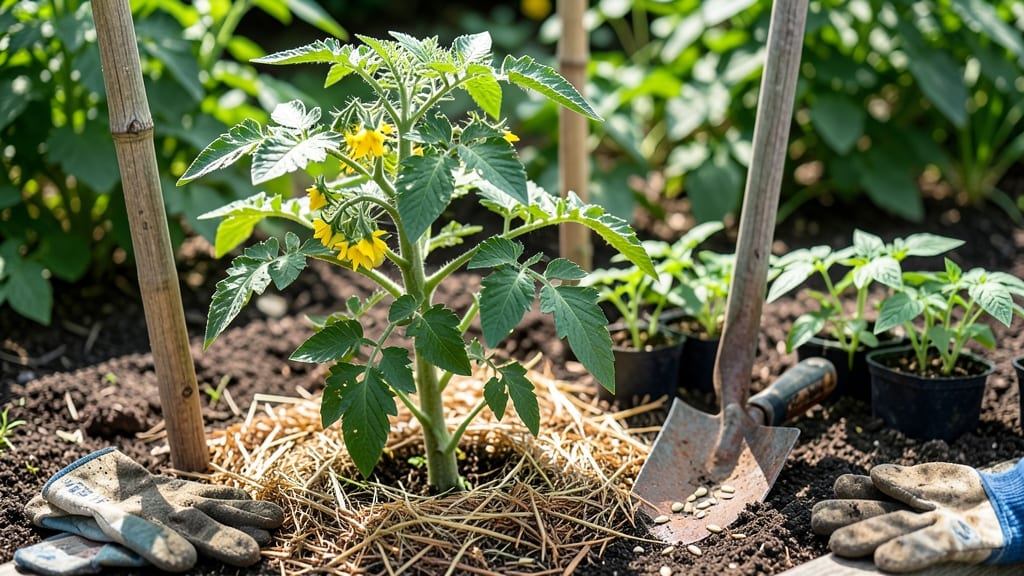
Planting your 🍅 tomatoes in Indiana at the wrong time can mean the difference between a bumper crop and a sad, frost-nipped disappointment. With Indiana’s USDA Zone 6a climate, getting the timing right is the key to avoiding those late spring freezes that can wipe out your seedlings overnight.
Most gardeners here wait until after the last frost date (April 15), but there’s more to it than just checking a calendar. Soil temperature matters just as much—your tomatoes need that ground to warm up to at least 60°F before they’ll thrive.
Let’s break down the exact window you should be aiming for, plus pro tips to give your plants the best possible start.
You’ll also discover why planting too early (or too late) can leave your tomatoes vulnerable to disease and pests—common pitfalls in Indiana’s humid summers. I’ll share the perfect planting schedule for both early and late varieties, so you can maximize your harvest from June through October.
Whether you’re a first-time gardener or a seasoned Hoosier grower, these insights will help you outsmart Indiana’s unpredictable weather and grow tomatoes that are juicier, bigger, and more abundant than ever before.
Indiana tomato planting calendar: exact dates for zones 5b-6a
Timing your tomato planting in Indiana isn’t just about avoiding frost—it’s about catching that sweet spot between soil warmth and stable temperatures. In USDA Zones 5b-6a, your window is tight: miss it, and you risk stunted growth or worse, frost damage.
But get it right, and you’ll enjoy homegrown tomatoes from July through October. Let’s break down the exact dates and conditions to plant for a bountiful harvest.
First, mark your calendar for Indiana’s average last frost date, which typically falls around April 15. However, this can vary by 5-10 days depending on your specific microclimate. For example, southern Indiana (Zone 6a) may see frost-free conditions a week earlier than northern areas (Zone 5b).
Always check local frost clocks or historical data from your county extension office for precision.
Here’s the golden rule: Wait until soil temperatures reach at least 60°F and nighttime temps stay above 50°F. Cold soil slows germination, while chilly nights stress young seedlings. Use a soil thermometer to confirm—this tool is your best friend in Indiana’s unpredictable spring.
Indiana Tomato Planting Timeline
| Stage | Action | Notes |
|---|---|---|
| March 15-31 | Start seeds indoors | Use grow lights; keep soil at 70°F |
| April 1-15 | Hardening seedlings | Acclimate to outdoor temps for 1 week |
| April 15-30 | Transplant outdoors | Wait for soil >60°F; night temps >50°F |
| May 1-15 | Direct sow late varieties | For heat-loving types like 'Celebrity' |
| June 15+ | Harvest begins | Early varieties like 'Stupice' ripen first |
For gardeners in Zone 5b, where frosts linger longer, focus on early-maturing varieties like 'Mountain Merit' (65 days to harvest) or 'Stupice' (a cold-tolerant heirloom).
These can handle cooler soils and still produce fruit before summer heat peaks. Plant these 2-3 weeks earlier than standard varieties to maximize your harvest window.
If you’re in Zone 6a, you’ve got more flexibility. You can push the envelope with late May plantings for heat-resistant types like 'Celebrity' or 'Better Boy'. Just be prepared to provide shade cloth during heatwaves to protect blossoms from dropping.
Pro tip: Use black plastic mulch to warm the soil faster and extend your season by 10-14 days.
Don’t overlook fall planting in Indiana! While less common, you can sow cold-hardy varieties like 'San Marzano' in early August for a late-season harvest. These plants thrive in cooler temps and may even survive light frosts. Just be sure to use row covers if frost threatens before your tomatoes ripen.
One common mistake I see in Indiana gardens? Planting too early because the weather looks warm. A 50°F night can kill young seedlings overnight. Always double-check with your local extension office for real-time frost predictions. They’ll give you the most accurate 10-day outlook, which is crucial for planning.
Finally, remember that Indiana’s microclimates vary wildly. A south-facing slope warms up faster than a low-lying area, which may stay cold longer. Observe your garden’s behavior for a few years to spot patterns. Over time, you’ll develop an intuition for when it’s truly safe to plant.
With these exact dates and conditions in mind, you’ll be well on your way to a tomato harvest that rivals the pros. Just don’t forget to prune suckers and stake your plants—those are the secrets to bigger, juicier tomatoes! 🌱
5 Critical factors that determine your planting success in Indiana
Indiana’s unpredictable spring weather means one wrong move can turn your tomato seedlings into frost casualties. The difference between a bountiful harvest and a failed crop often comes down to these 5 critical factors—so let’s break them down before you dig in.
First, soil temperature is non-negotiable. Tomatoes won’t thrive until the soil hits at least 60°F—any earlier, and root growth stalls. Use a soil thermometer (just $10 at garden centers) to check depth, since surface temps can mislead you.
Pro tip: Black plastic mulch warms soil faster if you’re rushing the season.
Soil Temperature
🌡️ Minimum 60°F for root growth
⏱️ Wait until nighttime temps stay above 50°F
🔍 Use a soil thermometer—surface temps lie!
Next, last frost dates are your planting deadline, but Indiana’s microclimates throw a wrench in the plan.
Northern counties (like Zone 5b) average April 20 for last frost, while southern areas (like Zone 6a) might hit May 5. Extend your season by using row covers or planting cold-hardy varieties—but never risk it after May 15.
Seedling age and hardening are often overlooked. Overgrown seedlings (taller than 12 inches) struggle to recover after transplant shock. Hardening off (acclimating seedlings to outdoor conditions) takes 7–10 days.
Skip this step, and your plants will wilt under stress. Start by placing them in partial shade for 2–3 hours/day, then gradually increase exposure.
Don’t ignore disease pressure—Indiana’s humidity and rain create the perfect storm for blight and fungal issues. Rotate crops (never plant tomatoes where nightshades grew last year) and space plants 18–24 inches apart for airflow. Prune suckers regularly to reduce moisture retention on leaves.
A copper fungicide spray (applied preventatively) can save your crop if downy mildew strikes.
Finally, container gardening changes the game. Potted tomatoes heat up faster but dry out quicker. Use 5-gallon pots minimum and self-watering systems if you’re short on time.
Black containers absorb heat, while white reflects it—choose based on your microclimate. And never plant directly into fresh manure; it burns roots and attracts pests.
Master these 5 factors, and you’ll outsmart Indiana’s weather like a pro. The key? Patience and preparation—not just planting early. Your tomato harvest will thank you. 🌱